

A Sip of Nostalgia
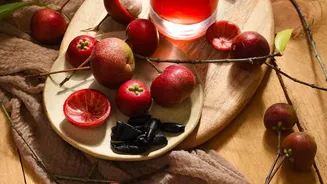
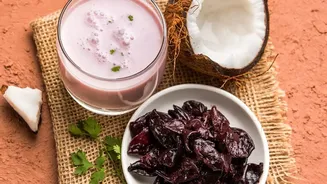
For generations, the first sign of summer in many Indian households was the appearance of deep purple kokum sherbet or the tangy, dark blush of jamun. Kokum, native to the Western Ghats, has long been the star of solkadhi, a soothing coastal digestive
drink. Traditionally celebrated for its ability to cool the body and combat acidity, it's a flavour synonymous with holidays in Goa and Maharashtra. Jamun, or the Java plum, carries its own legacy. Valued in Ayurveda for its various properties, including aiding digestion, this fruit has been a seasonal treat enjoyed with a pinch of black salt. These weren't just drinks; they were home remedies and a core part of summer food traditions, connecting families to regional produce long before 'local sourcing' became a buzzword.
The Modern Mocktail Makeover
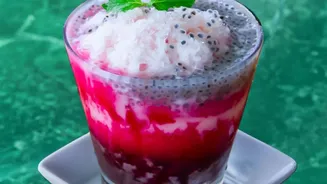
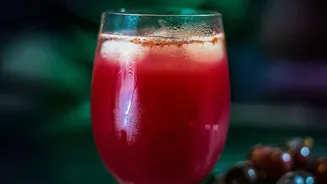
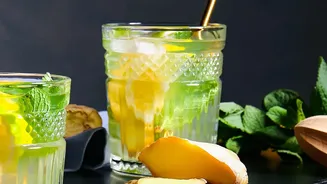
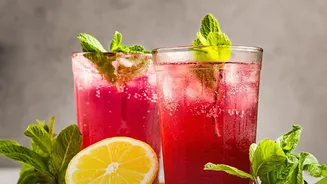
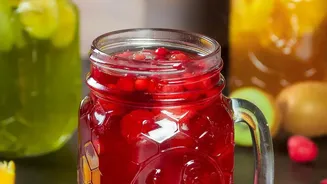
Now, innovative cafes and bars across India's metros are giving these familiar fruits a sophisticated makeover. Instead of the traditional method of boiling to create a concentrate or syrup, which often requires a lot of sugar, they are adopting modern techniques like cold-steeping. This gentle, slow infusion process involves soaking the fruits in cold water for several hours. This method extracts the pure, nuanced flavours of the fruit without releasing the bitter tannins that can come with heat. The result is a drink that's naturally less bitter and requires little to no added sugar. On menus, you'll find creative concoctions like Kokum Fizz, Sparkling Jamun Coolers with hints of basil, or even Jamun 'shots' served as a slushy-style refresher. This isn't just about reviving an ingredient; it's about reinventing the entire experience for a new generation.
Why Health and Heritage Are Trending
This revival is about more than just flavour; it’s a direct response to a major shift in consumer habits. Urban Indians are increasingly health-conscious, seeking out beverages that are low in sugar, free from artificial additives, and offer functional benefits. Kokum and jamun fit perfectly. Kokum is packed with antioxidants and is a well-known digestive aid. Jamun is also nutrient-rich. This turn towards indigenous ingredients is part of a larger culinary movement celebrating 'hyperlocal' food. Chefs and restaurateurs are finding immense value and pride in exploring India's vast pantry, moving away from imported goods to showcase the richness of regional produce. By choosing a cold-steeped Jamun Cooler over a mass-produced soda, consumers get a drink that’s not only better for them but also tells a story of Indian heritage and agricultural biodiversity.
The New Face of Cafe Culture
This trend highlights a growing confidence in Indian culinary traditions. For years, modern Indian food often meant fusion dishes that leaned heavily on international formats. Today, the confidence lies in celebrating Indian ingredients for what they are, presenting them in ways that are authentic yet contemporary. The rise of these mocktails shows that traditional flavours don't need to be masked or altered to be considered premium. By placing a thoughtfully prepared Kokum Spritzer next to a specialty cold-brew coffee, cafes are making a powerful statement: our local ingredients are just as sophisticated and desirable as any global trend. This movement is re-educating palates and proving that the most exciting new flavours might just be the ones we’ve known all along.