





Why a Quick Check Matters
A folded carton's journey is long and complex. It moves from the manufacturer, through shipping and handling, to the grocery store shelf. At any point, the structural integrity of the box can be compromised. Weak materials, poor gluing, or exposure to moisture
can lead to failures like misaligned seams, weakened structures, or even small tears. These seemingly minor flaws can become entry points for dust, moisture, and pests. Beyond physical damage, there's also the risk of chemical migration from inks, adhesives, or coatings if the packaging isn't compliant with food safety standards. While regulations are strict, errors in manufacturing or damage during transit can create risks, making a consumer's final check an important last line of defence.
Your Pre-Purchase Inspection Checklist
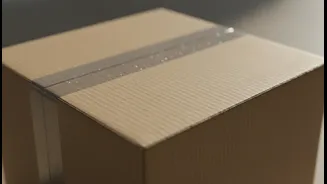
Before you even place an item in your shopping cart, take a few seconds to perform a simple five-point inspection. Start by examining the outer carton for any obvious physical damage. Look for crushed corners, dents, punctures, or tears. Any breach in the outer box could damage the inner packaging that is in direct contact with your food. Next, check for any stains or discoloration. Water spots might suggest the product was exposed to moisture, creating a risk for mould. Oily stains could indicate a leak from the product itself or contamination from an external source. Also, check the seals and seams to ensure they are properly glued and show no signs of tampering or separation. A carton with a weak or separated glue flap is a significant red flag.
Trust Your Senses: Smell and Touch
Your eyes can't catch everything, so engage your other senses. Gently squeeze the box to test its structural integrity; it shouldn't feel flimsy or easily deformed. Lift the package and check for any unusual odours. A musty, chemical, or sour smell is a clear warning that something is wrong with the product or its packaging. This is particularly important for dry goods like cereal, flour, and pasta, which can absorb external odours. Also, be vigilant for any signs of pest activity, such as tiny holes, gnaw marks, or fine webbing on the box exterior. These are signs that the product's safety has been seriously compromised.
Don't Forget the Inner Packaging
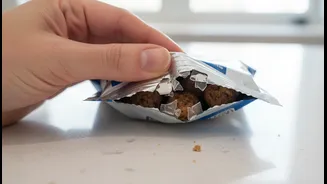
The outer carton is just the first barrier. The primary protection for your food is often an inner bag or wrapper. Once you get home and open the carton, your inspection isn't over. Check the inner plastic or foil bag for any punctures, tears, or improper seals. A compromised inner bag exposes the food directly to air and potential contaminants, which can affect its freshness and safety. If the inner seal appears weak or is not fully intact, it's best not to consume the product. This inner layer is critical for protecting against moisture and oxygen, and any failure here defeats the purpose of the packaging.
When in Doubt, Leave It Out
The golden rule of food safety is simple: when in doubt, throw it out. If a package looks suspicious, damaged, or tampered with, it's not worth the risk. If you are still at the store, leave it on the shelf and pick another one. If you only notice the defect after purchase, don't hesitate to return it to the store for a refund or exchange. Retailers and manufacturers rely on this feedback to identify potential issues in their supply chain. Consuming food from a compromised package can expose you to everything from stale products to bacterial contamination or foreign materials. Protecting your health is always the top priority.