





In the kingdom of tropical fruits, mango and papaya are true royalty. Both are delicious, beloved in India, and packed with nutrients. But when it comes to nutrition, they have surprisingly different strengths. Which one is best for you?
Calories and Sugar: The Lighter Choice
If you're watching
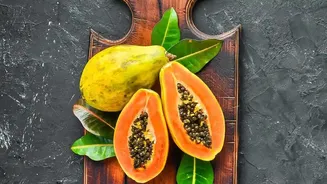
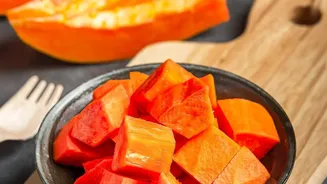
your calorie or sugar intake, papaya is the clear winner. A 100-gram serving of papaya contains around 43 calories and 7.8 grams of sugar. In contrast, the same amount of mango has about 60 calories and 13.7 grams of sugar. This makes papaya a lighter option, delivering sweetness with roughly half the sugar and about 30% fewer calories than its rival. For anyone managing their weight or needing to be mindful of sugar, papaya offers more fruit for your caloric budget.
The Vitamin C Showdown
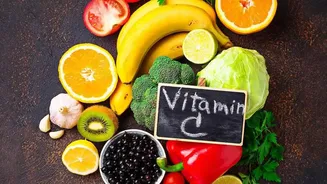
Both fruits are excellent sources of immune-boosting Vitamin C, but papaya takes the crown. A 100-gram serving of papaya provides about 61 mg of Vitamin C, which is more than the daily recommended amount for many adults. Mango is no slouch, offering a respectable 36.4 mg for the same portion, but papaya delivers significantly more. If your goal is to maximize your Vitamin C intake for skin health or to fend off colds, papaya has a distinct advantage.
Vitamin A and Eye Health
When it comes to Vitamin A, essential for vision and immune function, mango pulls ahead. Mango is richer in beta-carotene, which the body converts into Vitamin A. A cup of mango can provide a substantial amount of your daily Vitamin A needs, significantly more than the same serving of papaya. While both fruits contribute to your intake with their vibrant orange flesh, mango is the superior choice if boosting Vitamin A is your priority.
Digestion and Fiber
For digestive health, the story gets more interesting. Both fruits offer a similar amount of dietary fiber, around 1.6 to 1.7 grams per 100g, which is crucial for regularity and a healthy gut. However, papaya has a secret weapon: papain. This unique proteolytic enzyme helps break down proteins, making it a fantastic natural digestive aid, especially after a heavy meal. Mango also contains beneficial compounds like mangiferin and soluble fiber that support a healthy gut microbiome. While both are good, papaya's papain gives it a special edge for digestion.
The Glycemic Index Surprise
Here’s a counterintuitive twist. Despite having more sugar, mango often has a lower glycemic index (GI) than papaya. Studies place mango's GI around 51, which is considered low, while papaya's GI is around 56-59, falling into the medium category. This means that a portion of mango may cause a slower, more gradual rise in blood sugar compared to papaya. For individuals managing blood sugar levels, mango, in moderation, might be the more suitable choice, though portion size remains the most critical factor for both fruits.
Antioxidants and Special Compounds
Beyond basic vitamins, these fruits contain unique antioxidants. Mango is a rich source of mangiferin, a powerful polyphenol studied for its anti-inflammatory, anti-diabetic, and antioxidant properties that work at a cellular level. Papaya, besides its famous papain enzyme, also contains lycopene, an antioxidant linked to heart health and protection against certain cancers. This makes both fruits powerful allies in fighting oxidative stress and inflammation, just through different biological pathways.