



The Baker's Dilemma: What is Sourdough Discard?
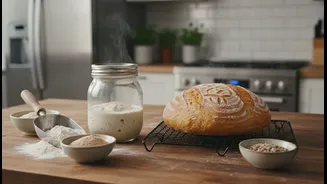
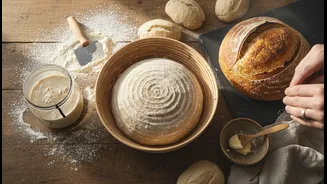
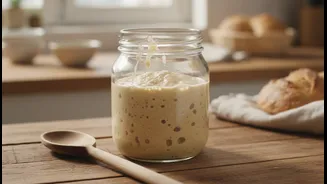
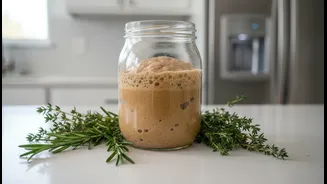
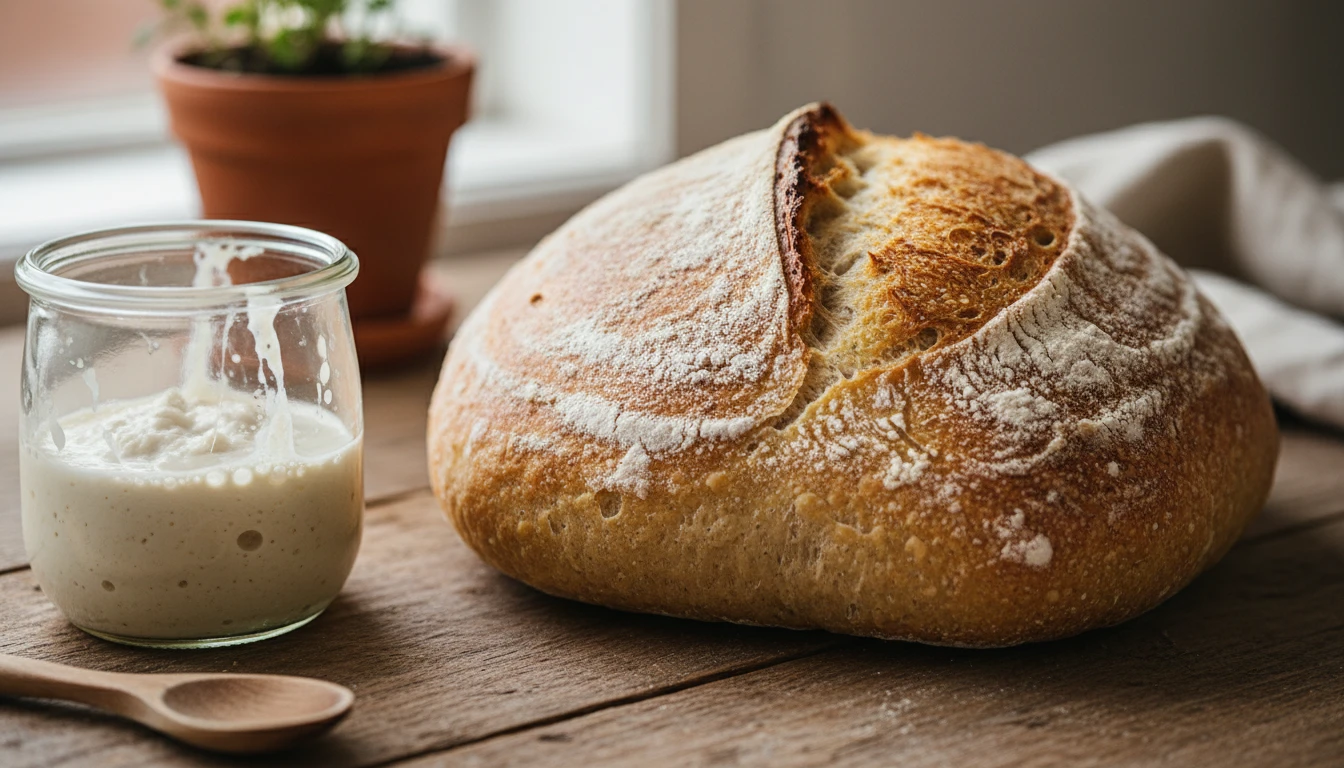
Anyone who has nurtured a sourdough starter knows the daily ritual. To keep the culture of wild yeast and bacteria healthy and active, it must be 'fed' with fresh flour and water. But before each feeding, a portion of the existing starter is removed to
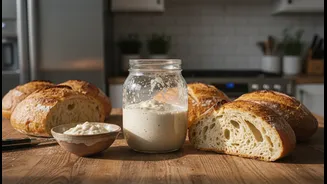
manage its size and acidity. This removed portion is famously known as 'sourdough discard'. For a long time, this tangy, fermented goo was seen as a necessary waste product, often tossed in the bin with a twinge of guilt. For bakers striving for a low-waste lifestyle, this created a frustrating paradox: a natural, traditional process that seemed to inherently generate waste.
From Waste to Wonder: A Powerful Ingredient
The eco-baking movement has brilliantly reframed 'discard' not as waste, but as a surplus ingredient. This unfed starter is packed with complex flavours, similar to buttermilk or yogurt, and can add a delightful tang and tenderness to a variety of recipes. While it may lack the leavening power of an active starter, its acidity helps to create a soft texture in baked goods. This shift in perspective has unlocked a world of culinary creativity, turning a daily dilemma into an opportunity for delicious innovation. The name itself is a misnomer; it’s a valuable byproduct for those in the know.
The Zero-Waste Ethos in Indian Cities
The embrace of sourdough discard resonates deeply with urban Indian millennials, a demographic increasingly driven by conscious consumerism. This generation is moving away from processed foods and embracing practices that feel more connected, authentic, and sustainable. The sourdough boom, which gained momentum during the pandemic lockdowns, has evolved from a hobby into a statement of values. Using every part of the starter aligns perfectly with a zero-waste kitchen philosophy, where resourcefulness is prized and nothing is wasted—a modern interpretation of traditional Indian values of frugality and respect for food.
More Than Just Crackers and Pancakes
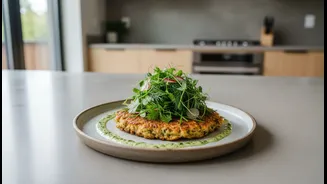
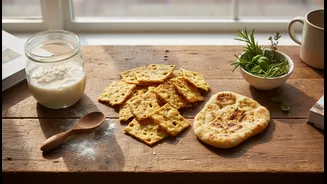
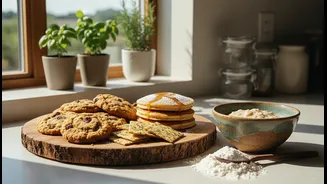
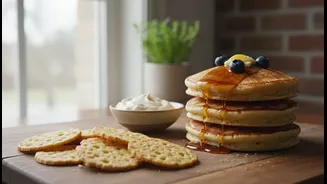
So, what can you make with it? The possibilities are surprisingly vast and go far beyond the obvious. Savoury options include pizza dough, fluffy focaccia, soft sandwich bread, tortillas, and flavourful crackers seasoned with everything bagel spice. On the sweet side, discard can be incorporated into pancakes, waffles, biscuits, scones, and muffins. It can also add a unique depth to cakes, brownies, and cookies, balancing sweetness with a subtle tang. Some bakers are even using it to create Indian staples like softer kulchas or as a batter for frying.
A Mindset Shift in the Modern Kitchen
Ultimately, the trend of using sourdough discard is about more than just a collection of recipes. It represents a significant mindset shift. It's about seeing potential where others see waste and finding value in the overlooked. This practice empowers home bakers to be more resourceful, creative, and environmentally conscious in their daily lives. For urban millennials navigating fast-paced lives, this return to a slower, more mindful process of food creation is both grounding and deeply satisfying. It proves that sustainable living doesn't have to be about deprivation; it can be about creating something even more wonderful from what you already have.