








Why Recovery Is Your Secret Weapon
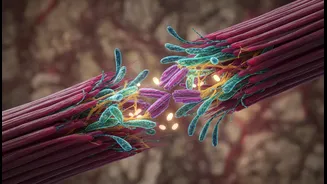
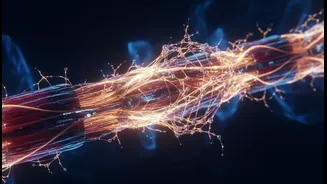
Many of us treat recovery as an afterthought, but it is when your body actually gets stronger. Intense exercise creates tiny micro-tears in your muscle fibres. This is a normal and necessary process. The magic happens during recovery, when your body repairs
these tears, fusing the fibres back together to be thicker and stronger than before. Without adequate recovery, you're not just stalling your progress; you're risking injury and burnout. Think of it as a cycle: you stress the muscle during a workout, and you strengthen it during recovery. One cannot happen without the other. Effective recovery helps replenish your energy stores, reduces muscle soreness, and allows your nervous system to reset, ensuring you can show up to your next session ready to perform.
The Unbeatable Power of Sleep
If there's one non-negotiable pillar of recovery, it's sleep. This is when your body's repair crew is most active. During deep sleep, your body releases growth hormone, which is essential for stimulating tissue growth and repairing muscle. Getting seven to nine hours of quality sleep a night allows this process to unfold fully. Sleep deprivation does more than just make you feel tired; it can disrupt the hormones that regulate hunger, leading to cravings for high-calorie foods. It also impairs your judgment and reaction time, increasing your risk of injury during your next workout. To improve your sleep, try to maintain a consistent schedule, create a dark and cool environment, and avoid screens before bed.
Fuel Your Repair with Smart Nutrition
What you eat after a workout is critical for kickstarting the recovery process. Your post-workout meal has two main jobs: repairing muscle and replenishing energy. For muscle repair, protein is the star player. It provides the amino acids your body needs to rebuild the damaged fibres. Aim for 20-40 grams of high-quality protein within a couple of hours of finishing your workout. Good sources include lean meats, eggs, Greek yoghurt, and plant-based options like tofu or lentils. For energy, you need carbohydrates. Exercise depletes your muscles' primary fuel source, called glycogen. Consuming carbs post-workout helps restock these stores, ensuring you have energy for your next session. A balanced snack like chocolate milk, a banana with peanut butter, or a chicken sandwich can provide the ideal combination of nutrients.
Active vs. Passive Recovery
Rest days don't always mean lying on the couch. There are two main types of recovery: passive and active. Passive recovery is complete rest—no physical exertion. This is crucial, especially after exceptionally strenuous training. Active recovery, on the other hand, involves low-intensity movement, such as walking, gentle cycling, or yoga, on the days after a hard workout. This gentle activity helps increase blood flow to your muscles, which can accelerate the removal of metabolic waste products that contribute to soreness. Studies have shown that active recovery can be more effective than complete rest for reducing muscle lactate levels. A good strategy is to blend both. Listen to your body; if you are feeling exceptionally fatigued or sore, a day of passive rest may be best. Otherwise, a light walk or stretch can work wonders.
Don't Forget Hydration and Stretching
Two of the simplest yet most effective recovery tools are often the most overlooked: water and stretching. Dehydration can impair muscle function and slow down the recovery process. It's important to drink water before, during, and after your workouts to replace lost fluids. For every kilogram of body weight lost through sweat, you should aim to drink 1.2 to 1.5 litres of fluid. Meanwhile, stretching after a workout helps to lengthen muscles that have been repeatedly contracting, which can reduce stiffness and improve flexibility. Holding static stretches for 20-30 seconds can improve blood flow and help release tension in tight areas. Incorporating these simple habits can make a significant difference in how you feel and perform day to day.