








Decoding the Orange Alert
When the India Meteorological Department (IMD) issues an Orange Alert for Delhi, it's a signal to 'be prepared'. This alert signifies a forecast of heavy to very heavy rainfall, often between 64.5 mm and 115.5 mm, accompanied by strong winds and thunderstorms.
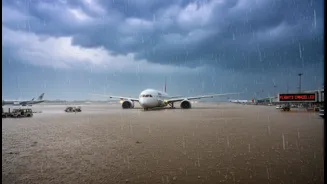
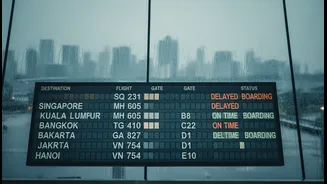
For a city like Delhi, this translates directly into significant civic disruptions. The primary consequences are widespread waterlogging on key arterial roads and severe traffic congestion, turning routine commutes into unpredictable, hours-long ordeals. Airlines frequently issue their own travel advisories in response, urging passengers to expect delays and check flight statuses before leaving home.
Why Airport Routes Are So Vulnerable
The routes to IGI Airport are notoriously susceptible to monsoon chaos. Major thoroughfares like the Delhi-Gurgaon Expressway (NH-48), the Outer Ring Road, and streets around Mahipalpur and Dhaula Kuan are known waterlogging hotspots. In recent years, studies have even pointed to missing or obstructed stormwater drains along the NH-8 stretch near the airport, exacerbating the flooding. Underpasses, critical for smooth traffic flow, often become impassable pools of water. This combination of intense rain on already overburdened roads with known drainage issues creates a perfect storm for gridlock, leaving cars and cabs stranded for extended periods and putting travelers at high risk of missing their flights.
The Golden Rule: Add 90 Minutes
While there's no magic number, a safe rule of thumb during an Orange Alert is to add at least 60 to 90 minutes to your usual airport travel time. This isn't just a precaution; it's a realistic buffer against almost certain delays. Airlines themselves often advise passengers to allow for extra travel time due to road congestion. Think of it this way: a typical 45-minute cab ride can easily stretch to two hours or more. The extra time accounts for navigating waterlogged streets, rerouting around jammed intersections, and the slower overall pace of traffic. It's always better to be early and relaxed at the terminal than to be stuck in traffic watching the clock tick down.
Your Best Bet: The Airport Express Metro
In the face of surface-level chaos, the Delhi Metro, particularly the Airport Express Line, stands out as the most reliable mode of transport. Since it operates on an elevated corridor or underground, it is largely immune to road traffic and waterlogging, which are the main culprits of delay. While extreme weather can occasionally cause minor issues, such as temporary station entry closures or suspension of feeder shuttles, the core line service generally remains robust. It provides a predictable, climate-controlled, and fast journey from the city center to the airport terminals, making it the smartest choice when time is of the essence and the roads are unreliable.
A Traveler's Checklist for Rainy Days
Beyond leaving early, a few proactive steps can save you a lot of stress. First, monitor real-time traffic updates on mapping apps and follow the social media handles of the Delhi Traffic Police for alerts on specific waterlogged areas. Second, check your flight status with the airline before you even start your journey, as adverse weather can also lead to flight delays or diversions. Third, if you're taking a cab, book it well in advance as availability can become scarce. Finally, ensure your luggage has a waterproof cover or lining to protect your belongings from the downpour during loading and unloading.