







Why Some Fabrics Are Fur Magnets
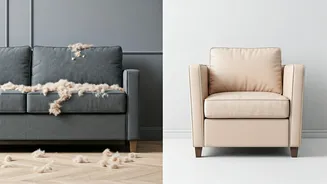
The reason pet hair clings stubbornly to some materials and slides right off others comes down to science. Three main factors are at play: texture, weave, and static. Rough, fuzzy, or plush textures give individual hairs something to grip onto. Similarly,
fabrics with a loose weave have tiny gaps where fur can get trapped and embedded. Finally, some materials, especially certain synthetics, generate static electricity, which acts like a magnet for loose fur. Understanding this allows you to be strategic, turning your home into a less hospitable environment for stray pet hair.
The Best Fabrics for a Fur-Resistant Home
Choosing the right materials for your furniture, bedding, and even your clothes can drastically reduce the time you spend cleaning. These fabrics are your best allies in the war against fur. Leather and Faux Leather: Unanimously praised by experts, leather and its synthetic counterparts are champions of fur-repellence. Their smooth, non-porous surfaces prevent hair from sticking, allowing you to simply wipe it away. Microfiber: This synthetic fabric has an incredibly tight weave, leaving no space for hair to embed itself. Fur sits on the surface, making it easy to remove with a quick vacuum or a damp cloth. It’s also durable and resistant to scratches. Tightly-Woven Cottons and Canvas: Not all cotton is created equal. To be effective, look for high-thread-count cottons or durable weaves like denim and canvas. The tight construction of these fabrics makes it difficult for hair to penetrate, and any surface fur can be easily brushed off. Silk and Satin: While more delicate, the slick, smooth surface of silk and satin means hair simply can't get a grip. These are excellent choices for items like bedding accents, scarves, or blouses where you want to avoid a layer of fuzz.
Fabrics to Avoid If You Have Pets
Just as some fabrics help your cause, others work against you, acting as natural collectors for every loose strand of fur. If you're serious about fur management, it's wise to limit these materials in your home and wardrobe. Velvet: Though luxurious, velvet's dense, plush pile is a notorious fur trap. The texture grabs onto hair, making it incredibly difficult to clean without constant, vigorous effort with a lint roller. Fleece and Wool: These cosy fabrics are beloved for their warmth, but their fuzzy textures and tendency to build up static make them powerful fur magnets. Hair weaves itself into the fibres, often retaining pet odours as well. Corduroy and Chenille: The ribbed texture of corduroy creates perfect channels for fur to get caught in. Chenille, with its loose, loopy pile, is equally problematic, trapping hair deep within its fibres and making removal a chore. Loose Knits: Any fabric with a loose or open weave, from chunky knit blankets to certain types of linen, will inevitably trap fur in its gaps. While tightly woven linen can be manageable, its loosely woven counterparts should be avoided.
Smart Strategies Beyond the Sofa
Your fight against fur doesn't end with upholstery. Applying these principles to other areas can make a huge difference. For bedding, high-thread-count cotton sheets can be a game-changer. When it comes to clothing, consider materials like nylon and polyester for activewear, as their smooth finish resists hair. Some pet owners even use specially designed, breathable dog onesies or suits during peak shedding season to contain fur at the source. Another clever trick is to choose colours and patterns strategically. A patterned tweed or a colour that closely matches your pet’s fur can help camouflage the few stray hairs that inevitably land on surfaces, keeping things looking cleaner between vacuuming sessions.