
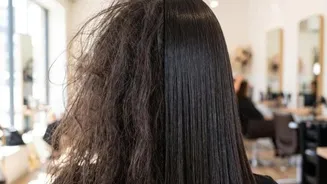

As the temperature drops, your hair often pays the price. The combination of frigid outdoor air and dry indoor heat can leave strands brittle and lifeless. A secret weapon in your hair care arsenal can make all the difference.
Why Winter Weather Wreaks Havoc on Hair
The shift from summer to
winter brings more than just a change in wardrobe; it demands a new approach to hair care. Cold air outside contains less moisture, and this low-humidity environment actively pulls moisture from your hair strands. This process is made worse by indoor heating, which also strips moisture from the air, creating a double-whammy of dryness. This constant fluctuation between cold outdoors and warm indoors causes the hair's protective outer layer, the cuticle, to lift and contract. A lifted, weakened cuticle can no longer effectively hold onto moisture, leading to the familiar winter hair woes: dryness, frizz, static, increased breakage, and split ends. Even wearing hats and scarves, while essential for warmth, can cause friction that further damages already fragile hair.
The Protective Power of a Leave-In Conditioner
Unlike a traditional rinse-out conditioner, a leave-in conditioner is designed to remain on your hair, offering a continuous layer of hydration and protection long after you've washed it. Think of it as a moisturiser and a lightweight coat for your hair. Its primary job is to replenish and seal in moisture, smooth the hair cuticle, reduce friction between strands, and make hair more manageable. By coating the hair shaft, a good leave-in conditioner creates a barrier against the drying effects of cold air and wind, helping to prevent the moisture loss that leads to brittleness and damage. This makes it an indispensable tool for maintaining hair health throughout the colder months.
Key Ingredients to Look For
Not all leave-in conditioners are created equal. To combat winter dryness, look for formulas that contain a strategic blend of two types of ingredients: humectants and emollients. Humectants, such as glycerin, hyaluronic acid, aloe vera, and panthenol, are moisture magnets. They work by attracting water from the atmosphere and drawing it into the hair shaft, providing deep hydration. Emollients, on the other hand, are the sealers. Ingredients like shea butter, argan oil, and other plant-based oils and fatty alcohols (like cetyl alcohol) create a protective film over the hair. This film smooths the cuticle and locks in the moisture that the humectants have attracted, preventing it from escaping. A formula that contains both ensures your hair is not only hydrated but that the hydration is sealed in for lasting softness and protection.
How to Use It for Maximum Effect
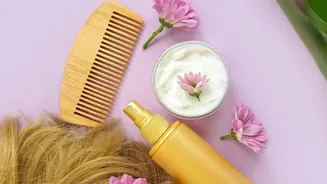
Proper application is key to getting the most out of your leave_in conditioner. The best time to apply it is to clean, damp hair, right after you’ve gently towel_blotted excess water. Hair that is soaking wet will cause the product to slide off, while dry hair won't absorb it as evenly. Start with a small amount, warming it between your palms before applying. Focus the product on the mid_lengths and ends of your hair, as these are the oldest and typically driest parts. Unless the product is specifically formulated for scalp use, avoid applying it directly to your roots, which can weigh hair down. Use a wide_tooth comb or your fingers to gently distribute the product evenly through your hair, ensuring every strand gets coated. You can then style as usual. For an extra boost of moisture on non_wash days, you can even use a very small amount on dry ends to tame flyaways or refresh your style.