





The Glorious Return of Ghee
For years, ghee was relegated to the back of the pantry, often overshadowed by imported oils and misunderstood as unhealthy. Not anymore. This clarified butter, a cornerstone of Indian cooking for millennia, is experiencing a remarkable resurgence. The
wellness world has finally caught up to what our grandmothers knew all along: ghee is a powerhouse of nutrients. Rich in fat-soluble vitamins like A, E, and D, and lauded for its high smoke point (making it excellent for high-heat cooking), ghee is now celebrated as a 'superfood'. This comeback is driven by a larger shift towards embracing traditional wisdom and 'good fats'. From bulletproof coffee enthusiasts to clean-eating advocates, everyone seems to be scooping up ghee. It's not just for slathering on rotis anymore. People are using it for baking, sautéing vegetables, and even as a finishing oil to add a nutty, rich flavour to dishes. The message is clear: ghee is back, and this time it's here to stay as a premium, healthy fat.
The Mighty Millet Movement
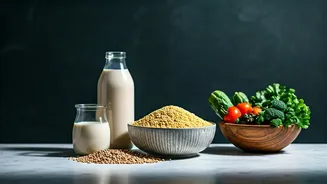
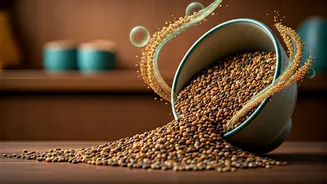
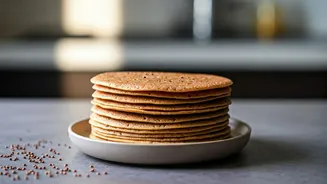
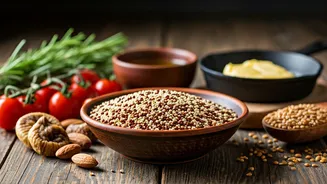
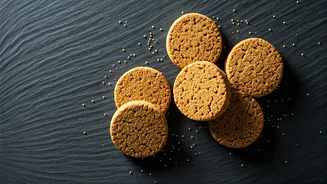
Remember when ragi, jowar, and bajra were just considered humble, rural foods? Well, these millets are now the darlings of the health food scene. Thanks to a major global push—including the UN declaring 2023 the 'International Year of Millets'—these ancient grains are finally getting the spotlight they deserve. As consumers become more health-conscious and environmentally aware, millets tick all the right boxes. They are naturally gluten-free, packed with fibre, protein, and essential minerals, and have a low glycemic index, making them ideal for managing blood sugar.
What’s more, millets are incredibly climate-resilient, requiring far less water than rice or wheat. This sustainability angle has made them a favourite among eco-conscious consumers. You can now find millets everywhere, from dosa batters and upma mixes to pastas and breakfast cereals. They offer a delicious, nutty alternative to refined grains, proving that what's good for the planet can also be great for your plate.
The Gut Health Heroes: Fermented Foods
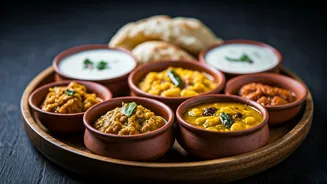
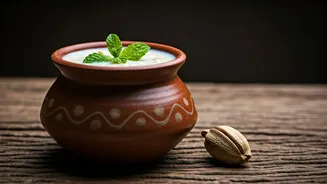
The conversation around gut health has exploded, and with it, the popularity of fermented foods. While trendy options like kombucha, kimchi, and sourdough have captured global attention, this trend is also sparking a renewed appreciation for India's own rich tradition of fermentation. Suddenly, that humble bowl of curd, the tangy kanji made in winter, or the array of homemade pickles (achar) are being seen in a new light: as powerful, probiotic-rich foods.
This 'ferment-frenzy' is about more than just flavour; it’s about feeding the good bacteria in our gut, which is linked to better immunity, digestion, and even mental health. Home-brewing kombucha is becoming a popular hobby, and artisanal brands are selling everything from sauerkraut to kefir. This trend beautifully merges global science with local tradition, reminding us that the secret to modern wellness might just be hiding in the fermented foods our ancestors ate.
The Snack Star: Makhana
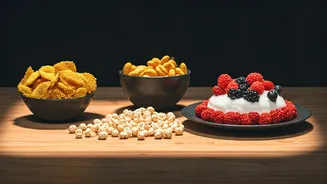
Move over, popcorn. There's a new snack king in town, and it's makhana, or fox nuts. For generations, these puffed lotus seeds were a simple, roasted snack, often consumed during religious fasts. Today, they have undergone a massive glow-up and are having a major moment as the go-to healthy snack. They are low in calories, gluten-free, rich in protein and antioxidants, and have a satisfyingly crunchy texture.
Capitalising on the demand for guilt-free munchies, brands have flooded the market with flavoured makhana in varieties like peri-peri, cheese, and pudina. They've successfully positioned it as a healthy alternative to potato chips and other processed snacks. Whether you're looking for a post-workout bite, a snack for your kids, or something to crunch on during a movie, makhana has become the smart, sophisticated choice for the modern Indian snacker.