





Why November is a Prime Time for Safaris
November marks the transition from the lush, dense aftermath of the monsoon to the crisp, cool days of winter. This shift creates a perfect storm of conditions for wildlife observation. The pleasant daytime temperatures, ranging from 15 to 25 degrees
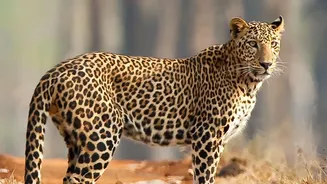
Celsius, mean that animals are more active for longer periods. Unlike the scorching summer, you will find tigers, leopards, and other creatures moving about or basking in the gentle sun during the day, not just at dawn and dusk. Furthermore, the dense vegetation of the rainy season begins to thin out, which significantly improves visibility into the forest. While the landscape is still green and vibrant, the reduced foliage makes it easier to spot animals that might otherwise be concealed. This combination of comfortable weather for both tourists and animals, along with clearer sightlines, makes November an ideal month for a safari adventure.
A Haven for Birdwatchers
Beyond the big cats and herds of deer, November heralds the arrival of a spectacular avian show. It is the beginning of the migratory season, when countless bird species fly from the colder regions of Central Asia, Siberia, and Europe to winter in India's warmer wetlands and forests. Parks like Keoladeo National Park in Rajasthan and Kaziranga in Assam become birding hotspots. However, even the tiger-centric reserves like Kanha and Jim Corbett see a dramatic increase in birdlife. Enthusiasts can spot a diverse range of species, from majestic eagles and colourful rollers to various storks and ducks, making it an incredibly rewarding time for bird photography. The misty mornings create an atmospheric backdrop, with the crisp air filled with the calls of both resident and visiting birds.
Ranthambore National Park, Rajasthan
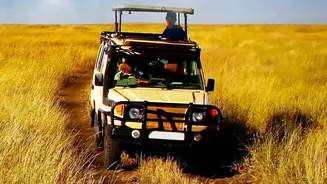
Famous for its picturesque setting where tigers roam among ancient ruins, Ranthambore is a top choice for a November visit. The post-monsoon greenery is still present, creating a stunning contrast with the historic forts and temples. The weather becomes very comfortable, with pleasant mornings and evenings perfect for open-jeep safaris. While water is still available throughout the park, tigers are often seen enjoying the mild winter sun, increasing the chances of a memorable sighting. The park officially opens in October, but by November, the rush from the initial reopening and festivals like Diwali has often subsided, offering a slightly quieter experience. It provides a great balance of beautiful landscapes and good wildlife activity.
Kanha National Park, Madhya Pradesh
The inspiration for Rudyard Kipling’s 'The Jungle Book', Kanha's vast meadows and dense sal forests are magical in November. The weather is cool and pleasant, ideal for long safari drives. Winter is when the famous Barasingha (swamp deer) are often seen in the meadows, with tigers frequently spotted stalking at the fringes. The thinning foliage improves visibility, and the park is teeming with life. Kanha is also a fantastic destination for birdwatching in winter, with migratory species adding to the already rich diversity. The soft, golden light of the winter sun and misty mornings provide photographers with incredible opportunities to capture the park's serene beauty.
Jim Corbett and Kaziranga National Parks
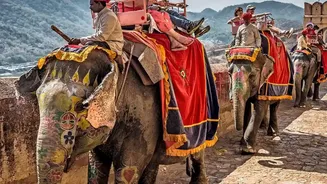
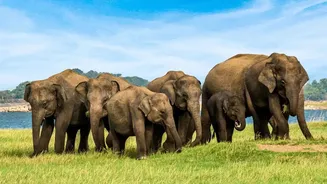
In the foothills of the Himalayas, Jim Corbett National Park sees its popular Dhikala zone typically reopen in mid-November. This area is renowned for its herds of elephants and high chances of tiger sightings against a backdrop of vast grasslands and the Ramganga River. The climate is cool and inviting, making it a fantastic time to explore the diverse habitats. Further east, Kaziranga National Park in Assam, famous for the great one-horned rhinoceros, is also excellent in November. The park reopens after the monsoon, and the pleasant weather allows for comfortable jeep and elephant safaris. It's a prime month for spotting rhinos grazing in the tall grasslands and for observing the park's incredible birdlife before the peak tourist season hits.