





The Lifeline of Indian Agriculture
India's agricultural sector, which employs nearly half of the nation's workforce, is deeply reliant on the annual southwest monsoon. This four-month rainy season, from June to September, delivers about 70% of the country's annual rainfall. It is especially
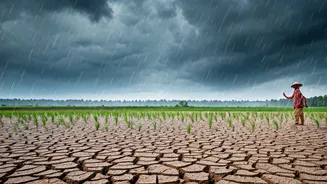
critical for the Kharif or summer crops, which are sown at the beginning of the monsoon. With around 45% of India's net sown area still dependent on rain-fed systems, the performance of the monsoon directly determines the fate of a massive portion of the country's agricultural output. Timely and adequate rainfall is essential for everything from sowing schedules and soil moisture to replenishing reservoirs and groundwater. A weak or delayed monsoon disrupts this delicate balance, creating a ripple effect that travels from the farms to urban kitchens.
From Scanty Showers to Costly Staples
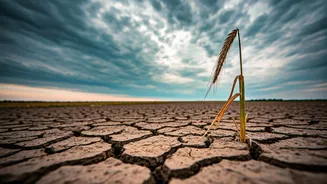
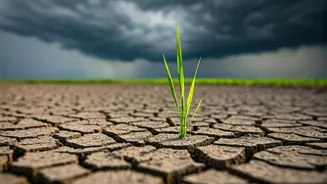
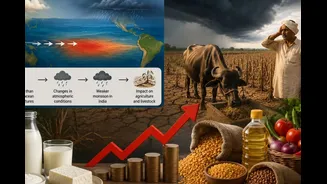
The chain reaction from poor rainfall to higher prices is straightforward. A delayed or deficient monsoon forces farmers to postpone sowing, which can lead to reduced crop yields. As of late June 2026, the monsoon is running significantly below normal, raising concerns about the ongoing Kharif sowing season. This rainfall deficit is particularly worrying for crops like rice, pulses, oilseeds, and certain vegetables. When yields fall, the supply of these essential commodities dwindles. Lower supply, coupled with consistent demand, inevitably pushes prices up in wholesale markets. This initial price hike then gets passed down the supply chain. The fear of a bad harvest can also lead to hoarding by traders, which further constricts supply and artificially inflates prices even before the actual harvest shortages are felt.
Which Foods Are Most at Risk?
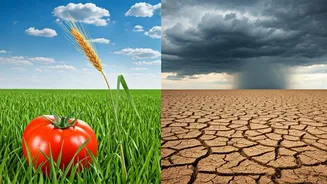
Not all food items are affected equally. Staples like rice and wheat often have a cushion due to large government-held buffer stocks. However, other daily essentials are far more vulnerable. Pulses like tur (arhar), urad, and moong are heavily rain-fed, and a poor monsoon can significantly lower their production, increasing reliance on imports. Vegetables, particularly onions, tomatoes, and potatoes, are highly sensitive to weather disruptions and have short shelf lives. Any shortfall in their supply can lead to rapid and sharp price spikes. Similarly, oilseeds like soybean and groundnut are at risk, which can drive up the cost of edible oils. Even dairy prices can be affected, as weak rains reduce the availability of green fodder for livestock, impacting milk production over time.
The Bigger Picture: El Niño and Policy Responses
The 2026 monsoon is further complicated by the development of El Niño conditions, a climatic pattern historically associated with weaker monsoons and drought in India. Forecasters have warned this could be the weakest monsoon in over a decade, with a high probability of deficient rainfall. Recognizing this risk, the government is preparing contingency plans. These measures often include releasing buffer stocks of grains, reducing import duties on items like pulses and edible oils, and imposing export bans on commodities like rice and onions to bolster domestic supply. The government also sometimes sells key staples at subsidized rates to provide relief to consumers. While these actions can help soften the blow, their effectiveness depends on the severity and duration of the rainfall deficit.