




The Science of Retinol
Retinol, a derivative of vitamin A, is a powerhouse ingredient celebrated by dermatologists for its proven ability to accelerate skin cell turnover, boost collagen production, and tackle issues from fine lines to acne. It works by converting to retinoic
acid within the skin, the active form that produces these visible results. However, this potent ingredient is notoriously unstable. Cosmetic chemists go to great lengths to formulate retinol products in sterile, controlled lab environments because its effectiveness is easily compromised by exposure to air, light, and fluctuating temperatures.
The Problem with Freezing Retinol
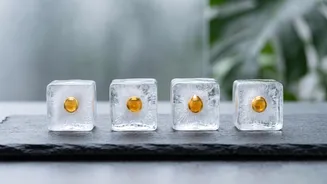
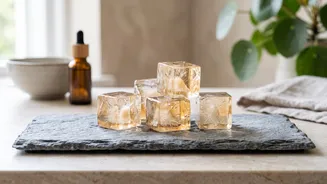
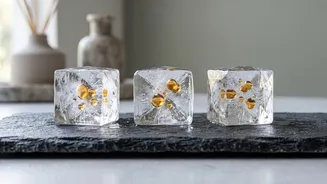
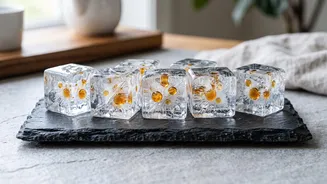
The core flaw in the retinol ice cube trend is a misunderstanding of the ingredient's stability. Retinol is highly sensitive. While some studies show retinol can be stable for years when stored in serum at extremely cold, controlled temperatures like -70°C, a standard home freezer is around -18°C and is not a stable environment. More importantly, the process of freezing a commercial retinol serum or cream, which is a complex emulsion of water, oils, and active ingredients, can cause the formula to separate. This repeated freezing and thawing can degrade the retinol, rendering it less potent or even completely inactive. When retinol breaks down, it not only loses its benefits but can also form byproducts that increase the risk of skin irritation.
Does 'Skin Icing' Have Benefits?
The other half of this trend is 'skin icing', or cryotherapy, which has become a popular practice on its own. Applying cold to the skin does have temporary benefits. It constricts blood vessels, which can momentarily reduce puffiness, redness, and inflammation, giving the skin a temporarily tighter and more refreshed appearance. Many dermatologists agree that facial icing can be a nice pick-me-up. However, these effects are short-lived. There are also risks if it's done improperly. Applying ice directly to the skin for too long can lead to irritation, redness, broken capillaries, and in severe cases, frostbite or cold burns.
The Dangers of DIY Skincare
Beyond the stability issue of retinol, creating your own skincare concoctions at home is risky. Without the sterile environment of a laboratory, your DIY ice cubes are vulnerable to bacterial contamination. Furthermore, you have no way of knowing the final concentration of the active ingredient you're applying to your skin. An inconsistent mixture could deliver too much retinol to one area, leading to significant irritation, peeling, and a compromised skin barrier. Professionals formulate products with specific pH levels and preservatives to ensure they are both safe and effective—safeguards that are absent in a kitchen-made beauty product.
What Dermatologists Recommend Instead
For those seeking the benefits of retinol, the best approach is to use a commercially formulated product from a reputable brand. These products are designed to keep the retinol stable and deliver it effectively. Start with a low concentration, applying it only a couple of times per week at night, as retinol makes skin more sensitive to the sun. A pea-sized amount is sufficient for the entire face. If you enjoy the de-puffing effects of cold, consider using chilled skincare tools like facial rollers or globes instead of raw ice. These provide the temporary tightening and calming benefits without the harsh risks of applying frozen, unregulated mixtures directly to your skin.