




The New Monsoon Reality
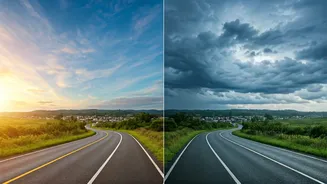
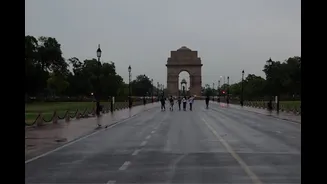
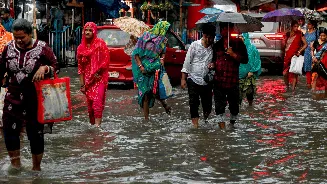
Recent years have seen a dramatic shift in monsoon patterns. While June 2026 has been drier than average for much of the country, the rains, when they arrive, are often more intense and concentrated. [14, 18] The India Meteorological Department (IMD)
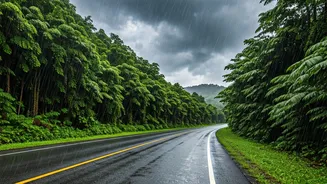
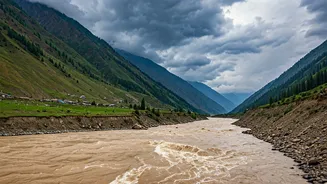
has forecast the monsoon's advance into North Indian states like Uttarakhand, Himachal Pradesh, and Uttar Pradesh, with warnings of heavy rainfall. [3, 23, 24] This intensity heightens the risk of flash floods and landslides, particularly in the fragile Himalayan states. [17] Recent incidents in Arunachal Pradesh, where heavy rains in late June led to devastating flash floods and landslides that cut off entire districts, serve as a stark reminder of the dangers. [16, 17, 19, 21] For travellers, this means the old approach of simply packing an umbrella is no longer sufficient. A proactive, safety-first mindset is now essential.
Before You Leave: The Planning Phase
Smart travel begins at home. Before booking any trip to North India during the monsoon, especially to hill stations, check the IMD website for forecasts and warnings for your specific destination. [5, 22] Build flexibility into your itinerary; non-refundable bookings can be a costly mistake if roads get washed out or authorities advise against travel. Inform family or friends of your detailed travel plan and establish regular check-in times. Given the risk of connectivity loss, download offline maps of the regions you plan to visit. [2] In high-risk areas like parts of Himachal Pradesh or Uttarakhand, it's wise to identify potential safe zones or emergency shelters along your route beforehand. Heed official advice; if local authorities recommend against travel to certain areas, do not attempt to be adventurous. [7, 15]
Your Monsoon Survival Kit
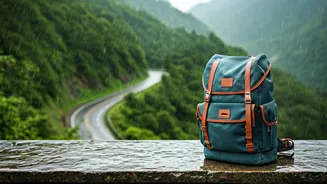
Packing light is usually good advice, but not at the expense of safety. Your rain-ready kit is non-negotiable. Start with high-quality rainwear — a breathable, waterproof jacket or a durable poncho is far better than a cheap plastic one. [12] Equally important is waterproof footwear with excellent grip to handle slippery, muddy paths. [6] Pack clothes made from quick-drying synthetic fabrics; cotton and denim are poor choices as they stay wet, become heavy, and can make you feel cold. [2, 9] Protect your electronics with waterproof bags or zip-lock pouches. A fully charged power bank is a lifeline when power cuts occur. [2] Your first-aid kit should be comprehensive, including basics for fever, stomach issues, antiseptic cream, and bandages. [4, 8] Also, carry water purification tablets or a portable filter, as waterborne diseases can increase during the monsoon. [8]
On-the-Road Safety and Smarts
Whether you are driving or being driven, caution on the road is paramount. Drive slowly, maintain a safe distance from other vehicles, and never attempt to cross flooded roads or streams. Landslide-prone zones in the hills are often marked; avoid stopping in these areas. [7] Be particularly wary of travelling at night, when visibility is poor and hazards are harder to spot. If you find yourself stranded due to a road blockade, stay put and wait for instructions from authorities rather than attempting risky detours. [7] When it comes to food, be extra careful. Stick to freshly cooked hot meals and avoid street food, especially uncooked items, to reduce the risk of infections. [4, 5] Always drink bottled or purified water. [4]