
The Return of Our Ancient Superfoods
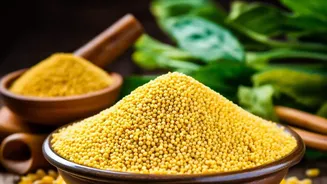
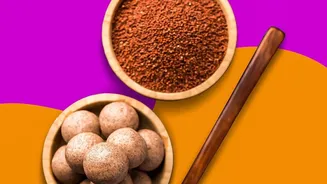
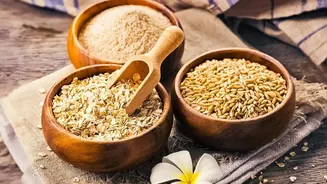
For generations, millets like jowar (sorghum), bajra (pearl millet), and ragi (finger millet) were staples in Indian kitchens. These hardy grains were valued for their ability to grow in tough conditions and for their immense nutritional benefits. While
rice and wheat became more dominant, a modern-day health consciousness is bringing these ancient grains back to our plates. Millets are not a new trend but a return to traditional wisdom. They are gluten-free, sustainable, and, most importantly, packed with nutrients that are often missing in refined flours. Incorporating them into everyday snacks is a simple way to upgrade your family’s diet.
A Powerhouse of Essential Micronutrients
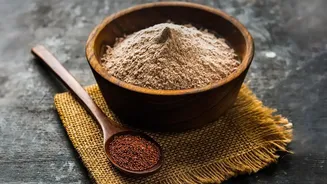
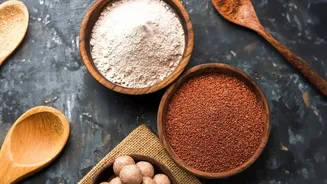
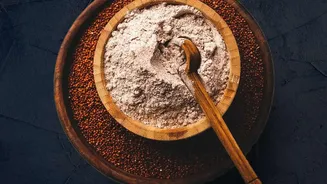
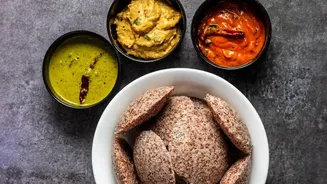
The primary benefit of switching to millets is their dense micronutrient profile. Compared to refined wheat and white rice, millets offer significantly more fibre, vitamins, and essential minerals. For instance, ragi is one of the richest plant-based sources of calcium, containing almost ten times more than wheat or rice, making it excellent for bone health. Bajra is a standout source of iron, crucial for preventing anaemia, while jowar is loaded with fibre that aids digestion. Millets are also rich in magnesium, potassium, zinc, and B vitamins, all of which contribute to better energy levels, heart health, and overall well-being. Their low glycemic index also helps in managing blood sugar levels, making them a smart choice for everyone.
Ensuring Great Taste and Texture
A common concern when trying healthier ingredients is the fear of compromising on taste. However, millets have a mild, nutty flavour that can enhance snacks when used correctly. The key is in the preparation. Soaking millets for a few hours before use can improve their texture and digestibility. Dry roasting millet flour before making a dough can bring out a deeper, more aromatic flavour, perfect for preparations like mathri or chivda. Since millet flours are gluten-free, they can result in a denser, more crumbly texture. For softer snacks like dhokla or baked goods, it's often best to start by mixing millet flour with your regular flour (like besan or whole wheat) in a 1:3 ratio and gradually increasing the proportion. Adding ingredients like yoghurt, mashed vegetables, or a little extra oil can also help maintain moisture.
Classic Snacks, Reimagined with Millets
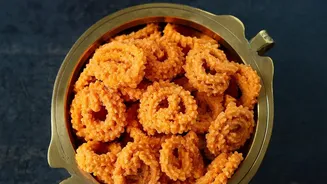
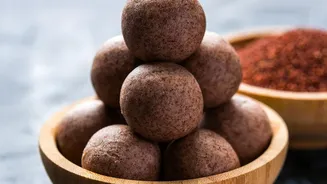
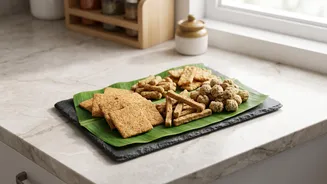
Almost any traditional snack that uses flour can be adapted to include millets. Here are a few ideas to get you started: Baked Ragi Chakli: Swap out some of the rice flour for ragi flour to create a nutrient-dense, baked version of this festive favourite. The ragi adds a lovely earthy flavour and a darker colour. Bajra Mathri: This winter favourite can be made even healthier by using bajra flour. Its robust flavour pairs wonderfully with spices like ajwain and kasuri methi. Baking instead of frying makes it a guilt-free tea-time snack. Jowar Dhokla: Jowar flour can be blended with besan to create a soft, fluffy dhokla. Its neutral taste makes it an easy and welcoming switch for the whole family. Millet Chivda: Instead of using puffed rice, try using puffed jowar or bajra. Roast them until crispy and toss with peanuts, curry leaves, and spices for a crunchy, savoury mix. * Ragi and Jowar Cutlets: Mix ragi and jowar flour with boiled potatoes, vegetables, and spices to make delicious cutlets that can be shallow-fried or baked.