






More Than Just a Dry Spell
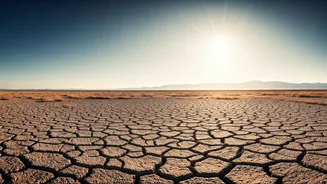
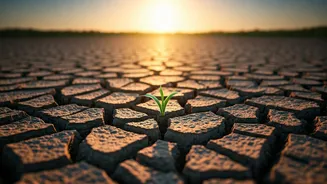
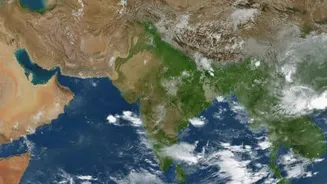
When we hear about a 'rainfall deficit', our minds often go to agriculture and rural distress. While that is a critical concern, the impact is creeping deeper into our cities. According to the India Meteorological Department (IMD), recent monsoon seasons
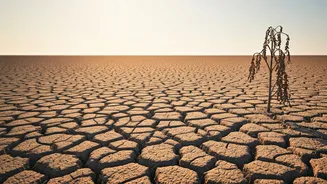
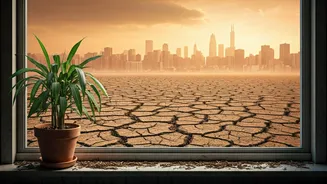
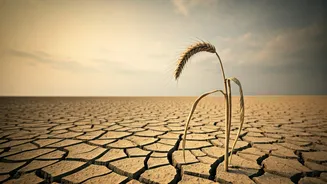
have seen significant shortfalls, with rainfall distribution being erratic and uneven across the country. A 'deficit' doesn't just mean less water for dams; it means the natural systems that keep our urban environments tolerable are breaking down. Without adequate rain, the ground remains parched, vegetation struggles, and the air hangs thick with pollutants that would otherwise be washed away. This cumulative effect directly degrades the quality of urban life in ways we are only beginning to quantify.
Decoding 'Comfort Metrics'
So, what are 'comfort metrics'? It's a term that goes beyond the simple temperature reading on a weather app. Comfort is a function of multiple factors, primarily the 'heat index' or 'real feel' temperature, which combines air temperature with relative humidity. High humidity prevents sweat from evaporating, making us feel much hotter than the actual temperature. A rainfall deficit contributes to this in two ways. Firstly, less rain can lead to hotter, drier ground conditions, which radiate more heat. Secondly, while it may seem counterintuitive, the period following weak showers can be intensely humid, trapping heat close to the surface. Other comfort metrics include air quality—less rain means more dust, pollen, and PM2.5 particles linger in the air—and even UV intensity, which can be higher under less cloud cover.
The Urban Heat Island on Overdrive
Indian cities are already classic 'urban heat islands'—metropolitan areas that are significantly warmer than their rural surroundings. Concrete, asphalt, and dark rooftops absorb and retain the sun's heat far more than natural landscapes like forests and water bodies. A healthy monsoon helps mitigate this effect through evaporative cooling. Rain cools surfaces, and moisture evaporating from soil and plants lowers ambient temperatures. When the monsoon fails, this natural air conditioning system shuts down. The concrete jungle doesn't get its cooling rinse. The result is an amplified heat island effect, where nights fail to cool down, and daytime temperatures become punishing, turning a simple walk to the market into a draining ordeal.
The Link to Your Electricity Bill
The decline in comfort has a direct financial consequence. As cities get hotter, the demand for artificial cooling skyrockets. Air conditioners, which were once a luxury, are now a necessity for many to work and sleep. This increased reliance places an immense strain on the power grid, leading to potential shortages and outages, especially during peak heat. For households, it translates into significantly higher electricity bills. A study by the World Bank has projected that rising heat and humidity could lead to a substantial drop in work productivity, as the human body simply cannot perform optimally in such conditions. Essentially, the national rainfall deficit is not only making us uncomfortable but also poorer and less productive.
The Future of Urban Living
The cascading effects of a poor monsoon are a stark reminder of the vulnerability of our urban ecosystems. Beyond the immediate discomfort, a rainfall deficit signals long-term water stress. Lower groundwater recharge and depleted reservoirs threaten the water security of millions. The problem isn't just a lack of rain, but a lack of planning that accounts for it. As climate patterns become more unpredictable, our cities need to become more resilient. This involves investing in green infrastructure—more parks, urban forests, and green roofs—and embracing sustainable water management practices. Without these interventions, the comfort and livability of urban India will continue to decline with every sub-par monsoon.