


Understanding the October Rush
October isn't just another month for travel in India; it's a phenomenon. The pleasant weather coincides with Sharad Navratri, Durga Puja, and Dussehra, some of the country's biggest and most widely celebrated festivals. For 2026, this festive window falls
predominantly in the middle of the month, with Navratri kicking off around October 11th and Dussehra (also known as Vijayadashami) landing around October 20th or 21st across most of the country. This period sees a massive movement of people travelling to their hometowns or to iconic festival destinations, leading to a surge in demand that affects everything from transport to accommodation. Think of it as India's primary holiday season, where planning is not just recommended, it's essential.
The Golden Rule: Book Far in Advance
If you take away only one piece of advice, let it be this: book everything as early as possible. During the festival season, waiting for last-minute deals is a strategy doomed to fail. Train tickets, a lifeline for Indian travel, often sell out within minutes of their 120-day advance booking window opening. Flights see similar demand, with prices skyrocketing as the dates draw nearer. Experts suggest booking flights and hotels at least three to four months in advance to secure reasonable rates and availability. Hotels in popular festival cities can be fully booked months ahead, and those that are available often come with heavily inflated festive-season tariffs. Flexibility can help; travelling a day or two before or after the absolute peak festival dates can sometimes yield better prices.
Kolkata: An Artistic & Cultural Feast
For a truly immersive experience, nothing beats Durga Puja in Kolkata. Recognized by UNESCO as an Intangible Cultural Heritage of Humanity, the city transforms into a massive, open-air art gallery. The festival, running for about five main days (October 17-21 in 2026), is famous for its 'pandals'—elaborate, temporary structures housing idols of the goddess Durga, each with a unique artistic theme. The energy is electric, with locals and tourists alike 'pandal-hopping' all night long. The rhythmic beat of the 'dhaak' (a traditional drum), the aroma of street food, and the sight of millions in their festive best create a chaotic yet joyous atmosphere. Be prepared to walk extensively and navigate huge crowds; the Metro often runs late into the night and is your best bet for getting around.
Mysuru: Royal Pageantry and Grandeur
If regal splendour is more your style, head to Mysuru for Dasara. The city’s celebrations are legendary, rooted in centuries of royal tradition. From October 11th to 21st in 2026, the entire city celebrates, but the main attraction is the Mysore Palace, which is illuminated by nearly 100,000 bulbs every evening. The festival culminates on Vijayadashami (October 21st) with the spectacular 'Jamboo Savari'—a grand procession featuring decorated elephants, cultural troupes, and the idol of Goddess Chamundeshwari carried in a golden howdah. The celebration concludes with a stunning torchlight parade at the Bannimantap grounds in the evening. It is a visual spectacle perfect for families and those interested in history and heritage.
Gujarat and Kullu: Dance and Devotion
For those who want to participate rather than just observe, Navratri in Gujarat is a must. Cities like Ahmedabad and Vadodara come alive with nine nights of Garba and Dandiya Raas, high-energy folk dances performed in large community gatherings. Meanwhile, in the mountains of Himachal Pradesh, Kullu Dussehra offers a completely unique experience. Here, the week-long festival begins on Vijayadashami, just as celebrations are ending elsewhere. Instead of burning effigies, the focus is on a grand procession where over 200 deities from surrounding villages are brought on palanquins to pay homage to Lord Raghunath, the presiding deity of the valley. It is a stunning display of faith and mountain culture set against the backdrop of the beautiful Kullu Valley.
Essential On-the-Ground Tips
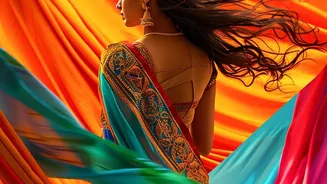
Once you've booked your trip, a few practical tips can make a world of difference. First, pack for comfort. You will be on your feet a lot, so comfortable walking shoes are non-negotiable. While not mandatory, packing or buying a traditional outfit can be a wonderful way to join in the festive spirit. Second, embrace local transport. In crowded cities, app-based cabs can be stuck in traffic for hours with surge pricing; the metro or even walking are often faster. Finally, be prepared for the crowds. Keep your belongings secure, stay hydrated, and be mindful of local customs, such as removing your footwear before entering a pandal or temple. Respecting the spiritual nature of the events will enrich your experience.