

What the Report Suggests
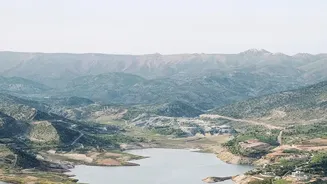
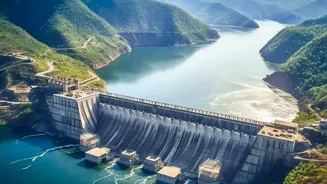
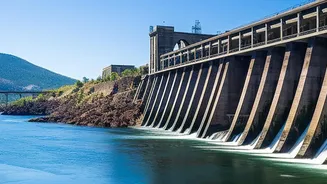
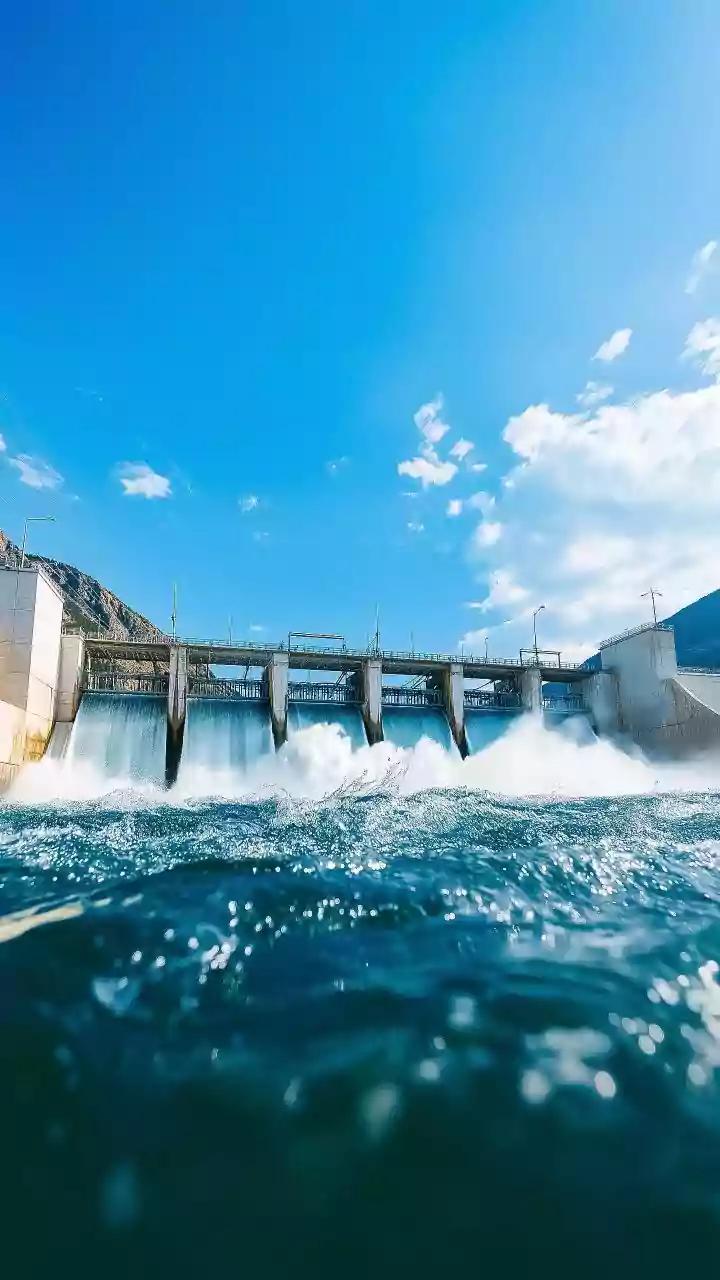
A recent New York Times investigation has highlighted an intriguing geographical overlap: the location of many of Iran’s 500-plus dams closely corresponds with areas where suspected military sites, including underground 'missile cities', are believed
to be located. This correlation has led some water and military experts to question if these dams were built not just for civilian purposes like irrigation and drinking water, but also to provide a steady, independent supply of power and water to these critical military installations. The theory suggests this would give Tehran 'operational continuity' for its key strategic assets, ensuring they are not dependent on the national grid, which could be vulnerable during a conflict. While the report’s authors and the experts they interviewed stress that the link is speculative and lacks conclusive evidence, the observation has opened a new line of inquiry into Iran's long-term strategic planning.
The Counter-Argument: Correlation Is Not Causation
However, the theory has been met with significant pushback from other analysts. Critics argue that the overlap can be explained by simple geography; both dams and underground military bunkers are logically built in mountainous regions. One expert noted that Iran's proliferation of dams is more likely a result of vested interests, such as construction companies linked to the Islamic Revolutionary Guard Corps (IRGC) benefiting from large infrastructure budgets, a phenomenon seen in other countries. Others point out that fewer than 50 of Iran's dams are even equipped to generate electricity, undermining the theory that they are primarily intended as power sources for military bases. These experts caution against drawing militaristic conclusions from spatial proximity alone, arguing that Iran’s water management issues are better explained by decades of inefficient planning rather than a grand military strategy.
The Geopolitical Fallout
The report has caused a significant stir in Tehran, with officials strongly condemning the suggestion. Iran's Parliament Speaker, Mohammad Bagher Ghalibaf, publicly denounced the report, arguing it was a pretext by the US and Israel to justify future attacks on civilian infrastructure. He warned that if the logic of 'dual-use' is applied to Iranian dams due to their proximity to military sites, then Iran would apply the same logic to any dam, port, or power plant located near American or Israeli bases. This sharp rebuke has elevated the stakes, turning a speculative analysis into a point of diplomatic friction and raising fears about the deliberate targeting of civilian infrastructure, which is prohibited under international humanitarian law.
Why It Matters for Regional Stability
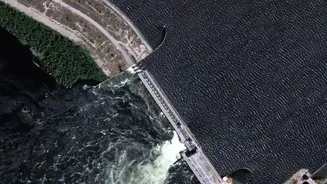
Regardless of whether the dams serve a dual purpose, the debate itself highlights the extreme vulnerability of critical infrastructure in a volatile region. Dams are essential for millions of civilians, providing drinking water, electricity, and flood protection. Their destruction, whether accidental or intentional, could trigger catastrophic humanitarian and environmental disasters. The controversy has renewed focus on the laws of war, which protect vital civilian facilities from being targeted. Analysts warn that promoting narratives that blur the line between civilian and military assets is dangerous, as it could be misinterpreted or exploited to legitimize attacks that would have devastating consequences for civilian populations across the entire region.