
A Discovery Decades in the Making
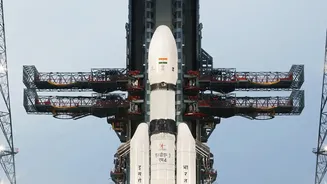
For years, scientists have suspected that water might be hiding in the coldest, darkest corners of the Moon. Various missions have detected signs of hydrogen, a key component of water. Definitive proof began to build in 2008 when India's Chandrayaan-1
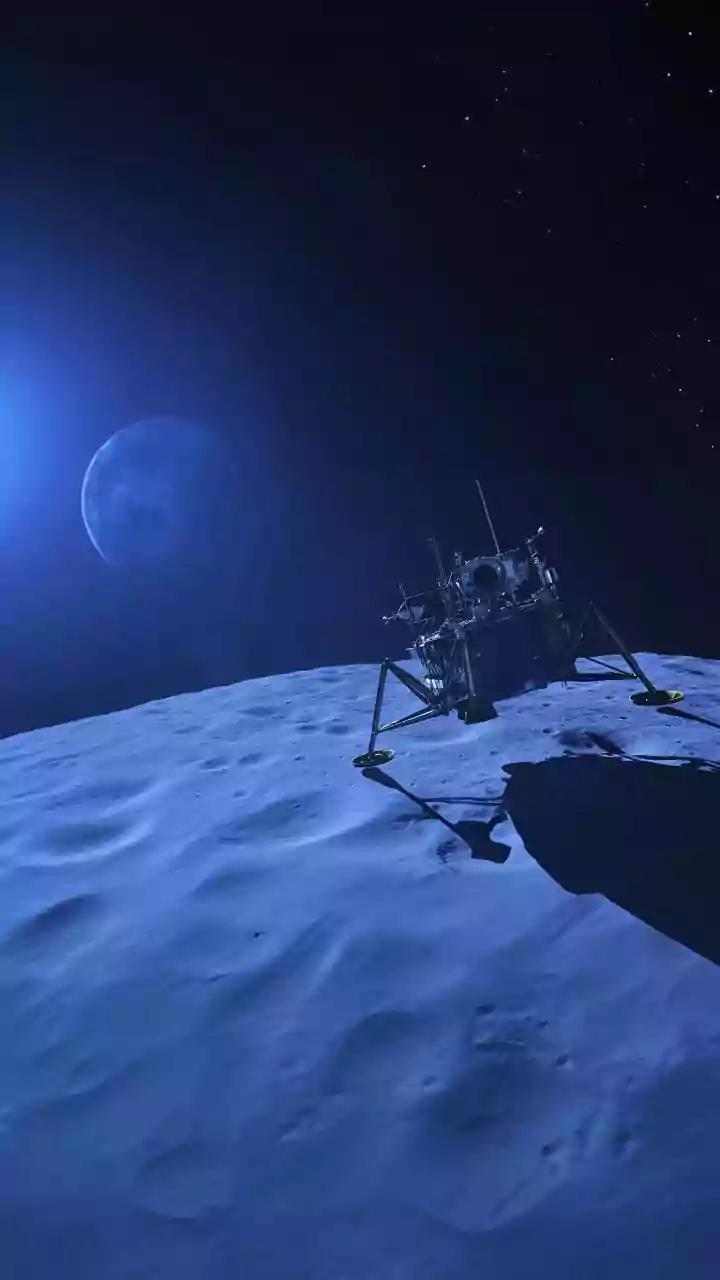
mission, carrying a NASA spectrometer, found the first direct evidence of water ice at the poles. Subsequent missions, including NASA's Lunar Reconnaissance Orbiter (LRO) and the LCROSS impactor probe, confirmed these suspicions, finding significant quantities of ice in the debris plume from a planned crash into a polar crater. The latest data builds on this foundation, using advanced spectrometer and radar mapping to not just confirm the presence of ice, but to identify specific craters where it appears to be concentrated and, crucially, accessible.
Reading the Rainbow of Light
The discovery was made possible by instruments like imaging spectrometers. These tools work by measuring the light that bounces off a planetary surface. Different materials absorb and reflect light at specific wavelengths, creating a unique signature, much like a fingerprint. By analysing the weak, scattered light that makes its way into the Moon's permanently shadowed regions (PSRs), scientists can identify the distinct signature of water ice. Data from instruments like the Moon Mineralogy Mapper (M3) on Chandrayaan-1 and the Dual-frequency Synthetic Aperture Radar (DFSAR) on Chandrayaan-2 have been instrumental. The radar can even peer beneath the lunar soil, or regolith, to detect signs of subsurface ice that isn't exposed on the surface.
Why 'Accessible' is the Magic Word
Finding water is one thing; being able to use it is another. Previous findings suggested water might be mixed in low concentrations with lunar soil or buried deep underground. This new data points to concentrated deposits in specific craters near the south pole, including Haworth, Shoemaker, and Sverdrup. 'Accessible' means the ice is believed to be close enough to the surface to be potentially extracted by robotic or human missions without requiring massive, energy-intensive excavation. This is a game-changer because it shifts the resource from a scientific curiosity to a viable asset for future explorers. In-situ resource utilisation, or ISRU, is the concept of living off the land, and finding accessible water is the most critical step toward making that a reality on the Moon.
The Fuel Station of the Solar System
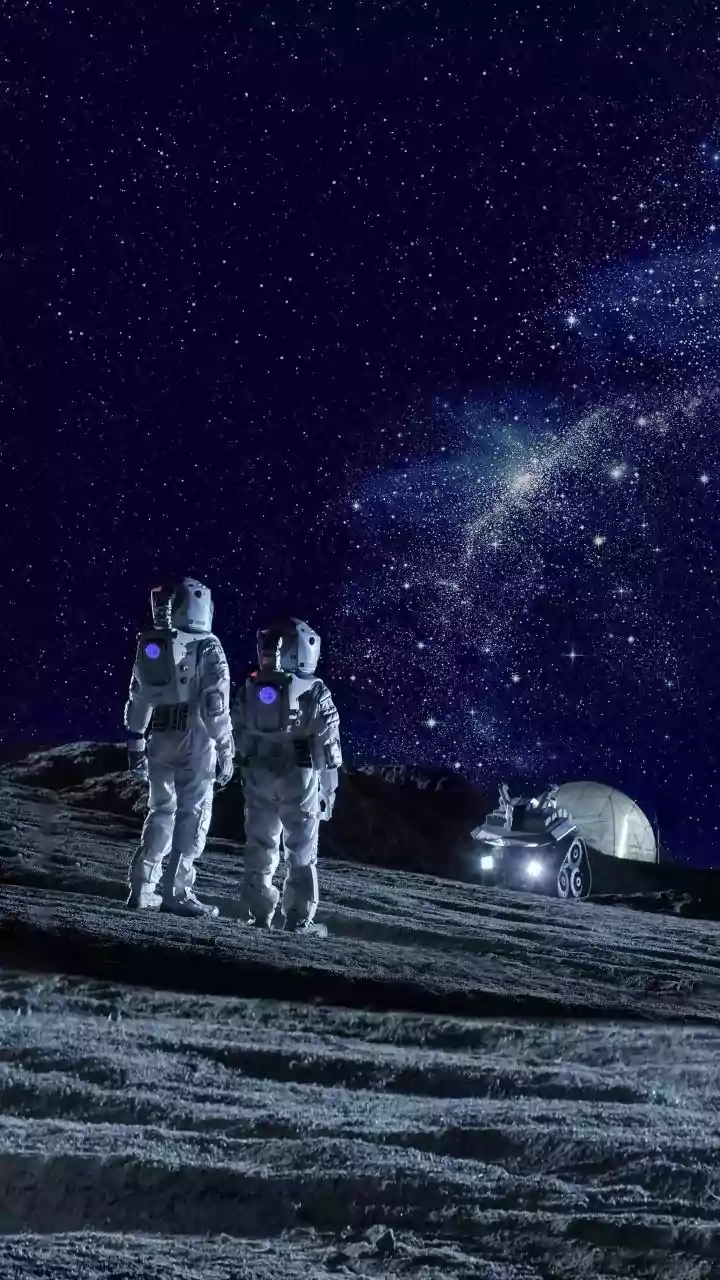
The implications of accessible lunar water are immense. For human habitation, it provides drinking water and breathable oxygen, which can be extracted by splitting the water molecules (H2O). This dramatically reduces the amount of life-support resources that must be launched from Earth, a costly and complex process. Beyond survival, this water represents a cosmic fuel depot. The hydrogen and oxygen obtained from the ice are the primary components of rocket propellant. The ability to refuel on the Moon would make it a launching point for more ambitious missions to Mars and beyond, leveraging the Moon's lower gravity to escape into deep space more efficiently.
The New Global Race to the Pole
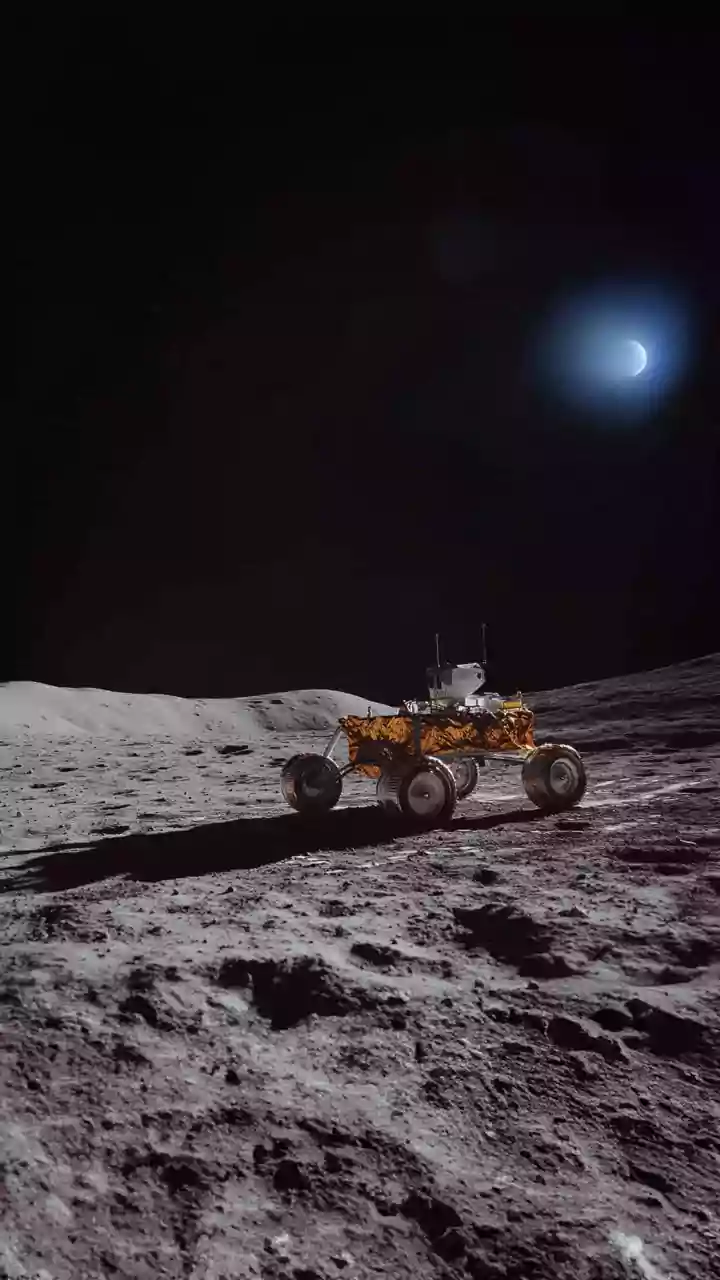
This discovery adds fuel to an already heating-up international race to the lunar south pole. The region's unique combination of permanently shadowed craters, which can preserve ice, and nearby peaks with near-constant sunlight for solar power makes it the most valuable real estate on the Moon. Nations like India, with its successful Chandrayaan program, the United States with its Artemis missions aiming for a sustained human presence, and China with its own ambitious lunar base plans are all targeting this region. Collaborative missions like the LUPEX rover, a joint effort by Japan (JAXA) and India (ISRO) with a NASA-provided neutron spectrometer, are designed specifically to hunt for and map these water ice deposits on the ground.