

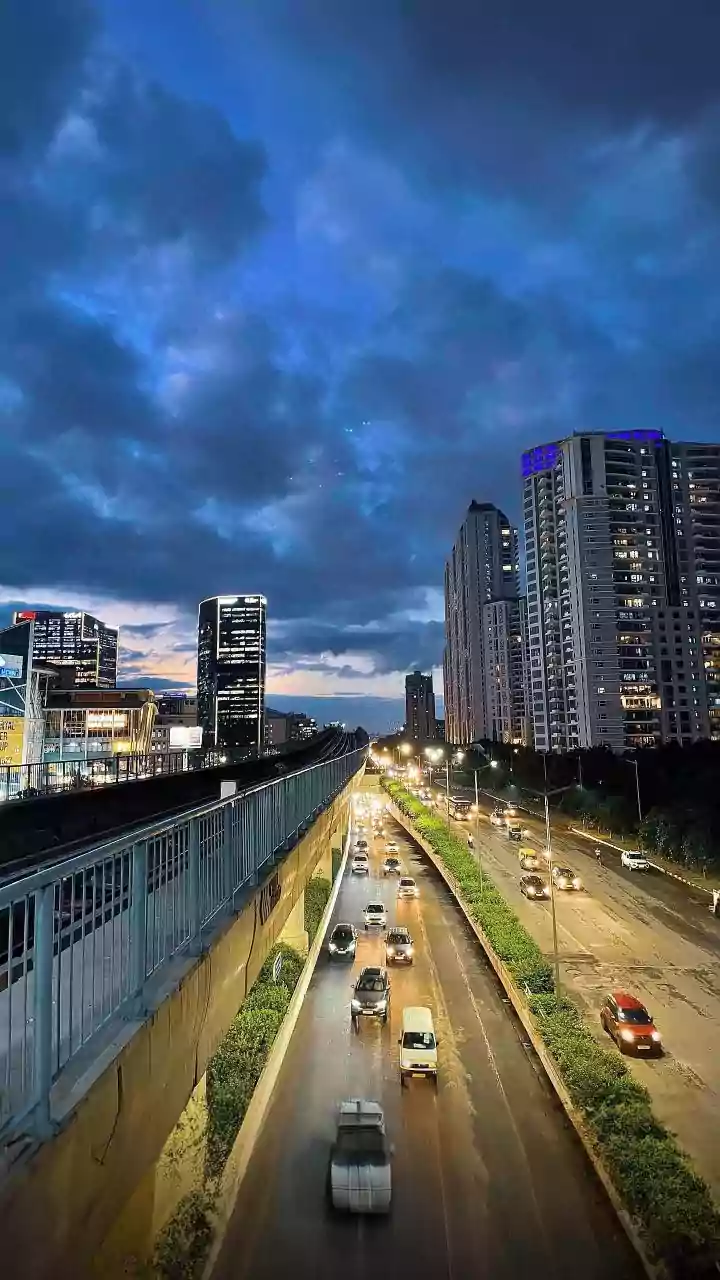




The New Normal: A Symphony of Alerts
Living in Mumbai during the monsoon has always been a test of patience and resilience. But in 2026, it has also become an exercise in constant digital vigilance. The daily routine no longer just involves checking the sky; it begins with checking a smartphone
for the latest update from the India Meteorological Department (IMD) and the Brihanmumbai Municipal Corporation (BMC). Alerts for heavy rain, gusty winds, and high tides have become as common as the morning alarm. These notifications dictate whether schools and colleges will open, if private offices will advise working from home, and most crucially, how millions will navigate their daily commute. This steady stream of information, while sometimes overwhelming, marks a shift in how the city collectively braces for and responds to its most challenging season.
Decoding the Colours: What the Alerts Mean
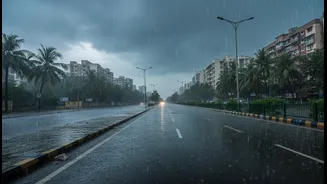
The IMD uses a colour-coded system to communicate the severity of weather, and understanding it is now essential for every resident. On Tuesday, July 7, Mumbai was placed under an 'orange alert'. This indicates authorities expect extremely bad weather and have advised citizens to be prepared for disruptions in transport and power. It's a step down from a 'red alert', which signifies a need to take action to protect life and property from extremely heavy rainfall. A 'yellow alert', which was in place briefly, suggests being updated and aware of potentially heavy spells. These alerts are not just forecasts; they are direct calls to action, prompting the closure of schools and colleges to ensure student safety and advising the public to avoid unnecessary travel.
The Ripple Effect on City Lifelines
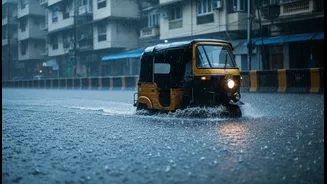
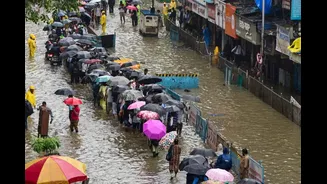
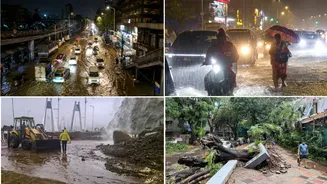
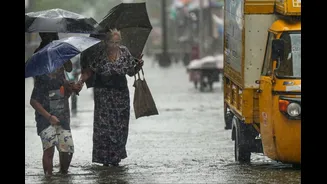
The impact of these heavy rains is felt most acutely on the city's transport networks. Waterlogging in low-lying areas like Nalasopara, Vasai, and Virar has become a severe issue, leading to submerged roads and disrupted daily life. The city's lifelines, the suburban local trains, have been significantly affected. Both Western and Central Railway services have reported delays of 10-25 minutes, with several train cancellations due to water on the tracks. Landslides in the ghat sections have also severely disrupted rail and road connectivity between Mumbai and Pune. Even air travel is not immune, with flight delays and advisories from airlines becoming common during intense spells. For the average Mumbaikar, this translates to longer, more uncertain, and often frustrating journeys.
How Mumbaikars Are Adapting
Beyond the official advisories, Mumbaikars are leveraging technology and community networks to adapt. Social media platforms and messaging apps buzz with real-time updates on waterlogged streets, traffic jams, and train statuses. This crowdsourced information often travels faster than official channels, helping people make dynamic decisions about their travel plans. The culture of checking multiple apps before leaving home is now deeply ingrained. The advisories to stay indoors and work from home where possible are being heeded, changing the city's rhythm. This adaptation showcases a familiar Mumbai spirit—a blend of frustration, resourcefulness, and collective action in the face of adversity. The alerts may be new, but the resilience is timeless.
Staying Safe When the Skies Open
Authorities like the BMC have issued clear safety guidelines for residents to minimize risk during this period of intense rain. The core message is to stay indoors and avoid non-essential travel. Citizens are advised to stay away from the seafront and waterlogged areas. There is also a strong emphasis on avoiding hazardous structures such as dilapidated buildings, electric poles, and trees, which can become unstable in strong winds and rain. Parking vehicles under trees is discouraged due to the high number of tree-fall incidents. Crucially, the BMC has urged the public to rely only on official information from recognized authorities and to not spread unverified rumors, which can cause unnecessary panic. For emergencies, the civic body's helpline (1916) is available 24/7.