


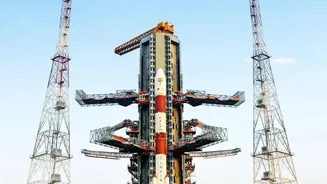
A New Space Age for India
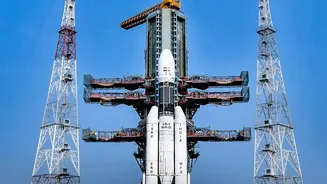
For over fifty years, the Indian Space Research Organisation (ISRO) was the sole custodian of India's cosmic ambitions. From launching its first rocket on the back of a bicycle to reaching the lunar south pole, ISRO's journey has been a source of immense
national pride. It built a world-class program focused on application-driven missions, bringing space technology to the service of the common person. But the landscape of space is changing globally, and India is changing with it. The sector is undergoing a monumental shift from a government-led monopoly to a dynamic, open market where private companies are now designing, building, and launching their own missions.
The Policy That Opened the Stars
This transformation didn't happen overnight. It was catalyzed by a series of landmark government reforms beginning in 2020, culminating in the Indian Space Policy of 2023. This policy was designed to unlock the sector for private participation across the entire value chain. It clearly demarcated the roles: ISRO would focus on advanced research and development, while commercial activities would be handled by Non-Governmental Entities (NGEs). To facilitate this, the Indian National Space Promotion and Authorisation Centre (IN-SPACe) was established as a single-window agency to promote, authorise, and supervise private space activities. It acts as a bridge, giving private firms access to ISRO's invaluable facilities, expertise, and infrastructure.
Meet the New Trailblazers
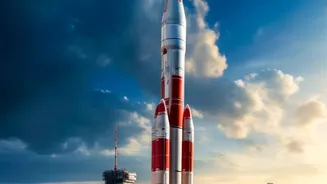
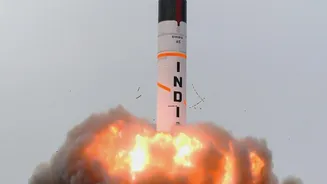
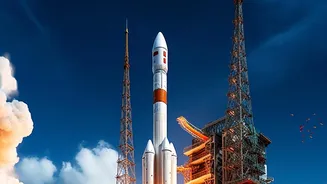
The policy changes have unleashed a wave of innovation, with hundreds of space startups emerging. Leading the charge is Skyroot Aerospace. In a historic achievement in July 2026, its Vikram-1 rocket successfully reached orbit, making India only the third country, after the US and China, with a private company capable of orbital launch. Founded by former ISRO scientists, Skyroot first made history in 2022 with a suborbital flight and is now a space-tech unicorn. Another key player is Agnikul Cosmos, which is pioneering 3D-printed rocket engines. Its Agnibaan rocket is powered by the world's first single-piece 3D-printed engine, a technology that drastically cuts manufacturing time. The company has also built India's first private launchpad at Sriharikota and is already testing engines for future reusable rockets.
More Than Just Rockets
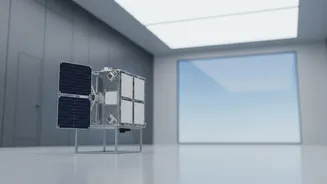
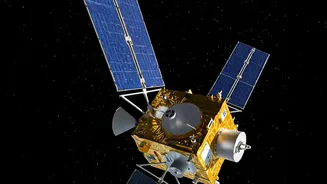
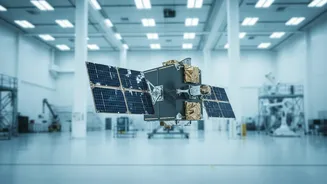
The commercial space boom extends far beyond launch vehicles. Companies like Dhruva Space are making their mark in satellite technology. Founded in 2012, the Hyderabad-based startup provides full-stack space engineering solutions, from satellite manufacturing to launch and ground station services. It has received government grants to develop larger communication satellites and has a growing order book for its diverse range of satellite platforms and components. Other companies like Pixxel are focused on building constellations of hyperspectral Earth-observation satellites, which can track everything from crop health to climate change, creating a booming downstream market for space-based data and applications.
Fueling the Future Economy
This new era is attracting significant investment. India's space economy, valued at around $8.4 billion, is projected to grow five-fold to over $44 billion by 2033. Venture capital is flowing in, and the government has even established dedicated funds to support space-tech companies. This isn't just about building a domestic industry; it's about capturing a larger share of the global space market. The talent pool is also deepening. While ISRO has seen some engineers move to the private sector, this is seen less as a brain drain and more as a healthy migration of expertise that strengthens the entire domestic ecosystem. With a clear policy framework, a new generation of entrepreneurs, and a string of successful missions, India's private space industry is truly ready for takeoff.