



Beyond the ‘Multi-Cuisine’ Mess
This isn't a return to the chaotic 'multi-cuisine' menus of the past, where watery daal makhani shared space with questionable sweet and sour chicken. Today’s pioneering chefs are less like short-order cooks and more like culinary curators. They are creating
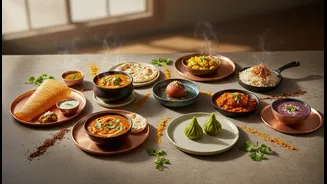
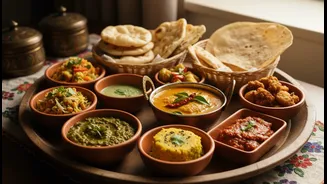
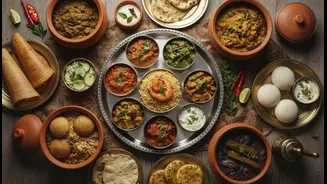
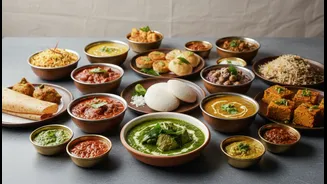
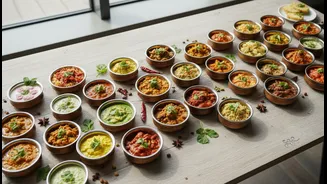
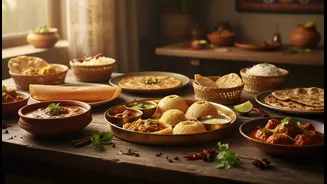
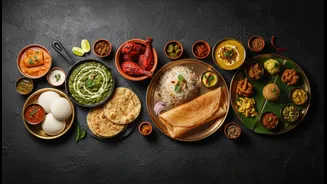
thoughtful, cohesive dining experiences that showcase the breadth of India’s food traditions. The philosophy is about connection, not just collection. It’s a deliberate effort to move beyond butter chicken and dosa as the sole ambassadors of Indian food. Instead, these menus present a thoughtful narrative, placing a comforting Bihari litti chokha alongside a fiery Goan shrimp curry or a delicate Kashmiri gushtaba. The goal isn't to offer everything, but to offer a representative and respectful journey across the country's kitchens.
The Curators of a Modern India
Restaurants like Comorin in Gurugram, from the creators of the acclaimed Indian Accent, exemplify this trend. Consulting Chef Manish Mehrotra and Brand Chef Dhiraj Dargan have built a menu around regional comfort foods and unusual pairings that span the nation. Dishes like Andhra Chicken and Sweet Corn Khichdi sit comfortably on the same menu, not as a random assortment, but as a celebration of diverse flavour profiles. According to the restaurant's philosophy, the aim is to let the food speak for itself without excessive reinterpretation. This approach represents a confident, modern India—one that is secure enough in its regional identities to present them side-by-side. It’s about showcasing the specificity of a Bengali fish preparation next to a Parsi-style egg dish, creating a dialogue on the plate. These chefs are storytellers, using ingredients and recipes to narrate the tale of a complex, interconnected nation.
Tasting the Story of the Nation
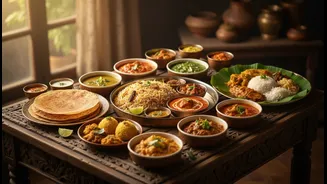
For the diner, the experience is transformative. A multi-regional menu functions as a delicious education, building bridges of understanding one bite at a time. It challenges preconceived notions and introduces diners to the culinary treasures of regions they may have never visited. When you can taste the earthy robust flavours of the North next to the tangy, coconut-rich dishes of the South, you're not just eating dinner; you're participating in a cultural exchange. This act of sharing different regional foods from a central table fosters a unique sense of unity and empathy. It turns a meal into a shared experience that reflects the very idea of India—a place of immense diversity held together by common threads. Suddenly, a dish from a neighbouring state is no longer 'their' food; it becomes part of a shared national heritage that everyone can appreciate and enjoy together.
Authenticity Without Erasure
Crucially, this movement is about showcasing, not erasing, differences. It stands in direct opposition to the idea of creating a single, homogenized 'Indian curry'. The strength of these menus lies in their respect for authenticity and origin. Chefs often go to great lengths to source ingredients from their native regions and adhere to traditional cooking techniques to preserve the distinct character of each dish. For example, a restaurant might bring in wazas (cooks) from Kashmir to perfect their recipes or source specific spices from Kerala to ensure a dish tastes just right. This isn't fusion; it's a mosaic. Each plate retains its unique identity, flavour, and history. The 'bridge' is built by placing these distinct identities in conversation with one another, allowing diners to appreciate both the individual brilliance of a regional specialty and its place within the larger, vibrant tapestry of Indian cuisine.