






What Are 'Glowmad Trails'?
The term 'Glowmad Trails' might not be on any map, but it perfectly captures a cultural shift. It’s less about a specific place and more about a mindset: a blend of 'glow-up' (a transformative journey of self-improvement) and 'nomad' (a life of movement
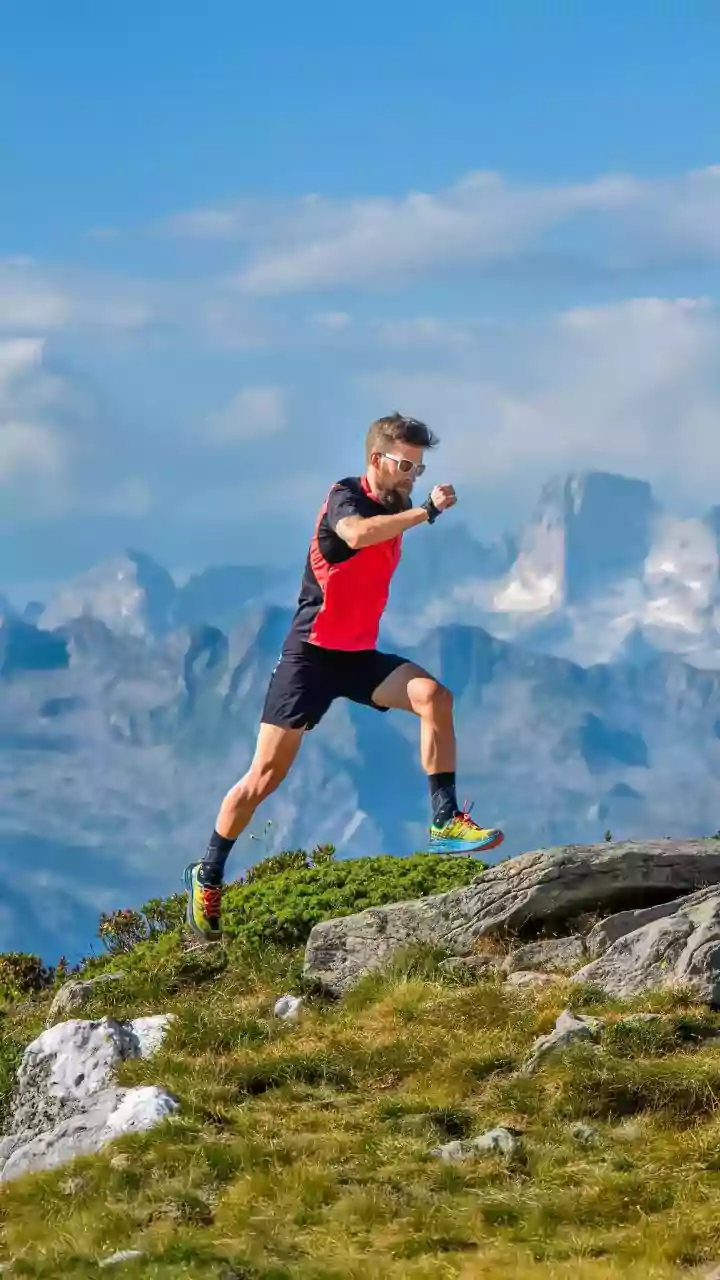
and freedom). This trend sees young Indians embracing outdoor activities like hiking, trail running, group walks in city parks, and even 'rucking' (walking with a weighted backpack). The focus isn't on burning the maximum calories or achieving a certain body type. Instead, it’s about the experience: the beautiful scenery, the mental clarity, and the social connection that comes from moving your body in nature.
The Social Media Influence
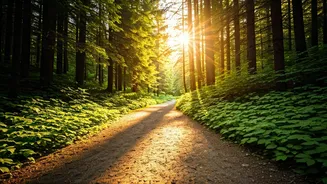
This movement is, unsurprisingly, powered by social media. Platforms like Instagram and TikTok are flooded with videos of young people on 'hot girl walks'—a trend that rebranded walking as a chic, mindful act of self-care. The aesthetic is undeniable: stunning sunrise views from a local hilltop, friends laughing on a forested path, or a solo walker enjoying a podcast against a beautiful urban backdrop. Unlike the intimidating, hyper-curated 'fitspo' content of the past that focused on extreme workouts and perfect bodies, this new wave of content feels more attainable, authentic, and joyful. It’s about sharing an experience, not just a result, making fitness feel less like a chore and more like a lifestyle choice.
Prioritising Mental Wellness
Perhaps the biggest driver of this shift is Gen Z’s holistic approach to health. For this generation, mental wellness is just as important, if not more so, than physical fitness. The gym, for some, can be a source of anxiety—a place of comparison, pressure, and self-consciousness. In contrast, studies have consistently shown that spending time in nature, or 'green exercise', can significantly reduce stress, anxiety, and depression. The simple act of walking outdoors provides a low-impact way to clear one's head, get a dose of Vitamin D, and disconnect from the digital noise. It's a form of moving meditation, where the goal is feeling good mentally, with physical fitness being a happy side effect.
The Post-Pandemic Effect
The COVID-19 pandemic dramatically reshaped our relationship with shared indoor spaces. After months of being confined indoors, there was a collective yearning for the outdoors. Gyms were closed, but parks and trails remained open. This period forced many to discover the simple, accessible joy of outdoor exercise. Gen Z, coming of age during this time, internalised this lesson. The pandemic normalised flexible, decentralised ways of living and working, and the same logic was applied to fitness. Why be tied to a single, expensive gym location when the world outside offers endless, free, and varied opportunities for movement?
Community Over Competition
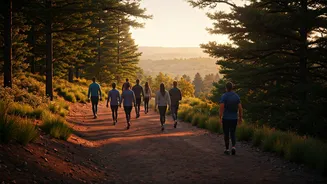
Another key element is the emphasis on community. While traditional gyms can feel individualistic and competitive, outdoor activities are often inherently social. Hiking groups, running clubs, and even informal friend groups are forming around these shared interests. In cities across India, you can find communities organising weekend treks to nearby hills or early morning walks around local lakes. This social aspect provides motivation, accountability, and a sense of belonging—things that are often missing when you’re just one person among many on a row of treadmills. The conversation and camaraderie on the trail are as much a part of the workout as the physical exertion itself.