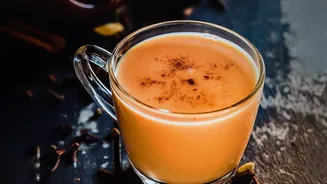


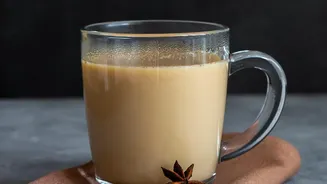
Forget generic colas and juices. At the most stylish Indian gatherings, the humble drinks of our childhood are making a grand comeback. Once confined to home kitchens, traditional beverages are now the new stars, served with a modern twist.
The New 'It' Drink
Move over,
artisanal coffee bars and imported mocktails. The new centrepiece at discerning Indian weddings, corporate events, and chic house parties is the traditional beverage counter. Once considered simple, homemade refreshments, drinks like aam panna, kokum sherbet, and shikanji are undergoing a remarkable transformation. They are no longer just a way to cool down in the summer; they are a curated choice, a statement of cultural pride and sophisticated taste. Event planners and caterers report a significant shift, with hosts increasingly requesting elaborate stations dedicated to these desi coolers. This isn't merely about serving a drink; it's about offering an experience that is authentic, nostalgic, and refreshingly different.
From Shikanji to Solkadi
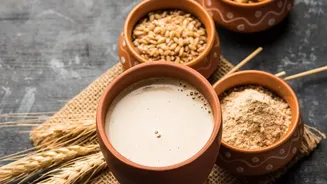
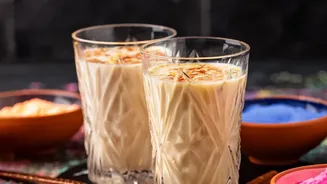
The stars of this revival extend far beyond the universally loved chai and lassi. The current trend celebrates a wide spectrum of regional specialities, each with a unique flavour profile rooted in local wisdom. Zesty shikanji, India's original spiced lemonade, is being served in elegant glassware, sometimes as a base for gin cocktails. Tangy aam panna, made from raw mangoes, black salt, and roasted cumin, is presented as refreshing shots to welcome guests. From the Konkan coast comes the delightful solkadi, a digestive drink made from coconut milk and kokum. And from the north, thandai, a rich blend of nuts, seeds, and spices like saffron and cardamom, is moving beyond its association with Holi to become a year-round luxury beverage.
A Sip of Authenticity and Pride
So, why is this happening now? A major driver is a cultural shift towards embracing and celebrating Indian heritage. For a generation of urban Indians, choosing to serve traditional drinks is a conscious move away from a purely Westernised event culture. It reflects a growing confidence and pride in local culinary traditions that were once seen as old-fashioned. Offering a guest a glass of meticulously prepared jaljeera or bael sharbat speaks volumes. It says the host has put thought into the menu, values authenticity, and wants to share a piece of their cultural identity. This act transforms the beverage from a simple refreshment into a symbol of cultural capital.
The Allure of Wellness
The global wellness movement has also played a crucial role in this resurgence. As consumers become more health-conscious, they are increasingly wary of processed drinks laden with sugar and artificial ingredients. Traditional Indian beverages offer a wholesome alternative. Many are packed with natural ingredients known for their health benefits, rooted in Ayurvedic principles. Aam panna helps replenish salts lost in the heat, jaljeera aids digestion, and kokum is a natural coolant. Ingredients like ginger, mint, cumin, and fennel are not just flavouring agents but functional components. This alignment with wellness makes these drinks particularly appealing to a health-aware generation.
Made for the Social Media Age
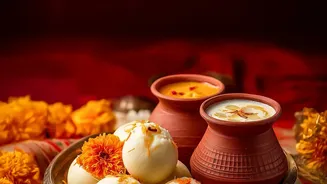
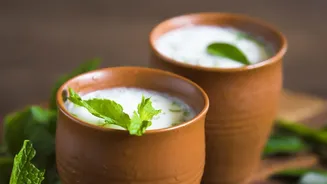
In the age of Instagram, presentation is everything, and these drinks are naturals for the camera. Their vibrant, natural colours—the deep purple of a kokum sherbet, the sunny yellow of aam panna, or the milky white of thandai—are visually stunning. Event planners are amplifying this appeal with creative presentation. Drinks are served in traditional vessels like clay kulhads and copper glasses, or in modern shot glasses with elaborate garnishes like fresh mint, spice-dusted rims, and edible flowers. An interactive station where guests can customise their lassi or jaljeera not only creates engagement but also provides a perfect, shareable moment, further cementing the drink's status as a trendy, desirable experience.