





Decoding Purity: What Karats Mean
The purity of gold is measured in karats (K). 24K gold is the purest form available at 99.9% purity, making it vibrant yellow but also very soft and malleable. This softness makes it unsuitable for most jewellery, as it can easily bend or scratch. For
this reason, 24K gold is typically reserved for investment-grade items like coins and bars. Most jewellery in India is made from 22K or 18K gold. 22K gold contains 91.6% pure gold mixed with other metals like copper or silver, while 18K gold is 75% pure gold. These alloys increase the metal's strength, making it practical for crafting into ornaments.
The Hallmark of Trust: Verifying Purity
To ensure you get the purity you pay for, always look for the Bureau of Indian Standards (BIS) hallmark. Since June 2021, hallmarking for gold jewellery is mandatory in most parts of India. A genuine hallmark consists of three marks: the triangular BIS logo, the purity grade (e.g., '22K916' for 22K gold), and a unique six-digit alphanumeric Hallmark Unique Identification (HUID) number. You can instantly verify this HUID using the government's BIS Care app to check the jeweller's details, hallmarking centre, and the item's purity, offering a strong layer of protection against fraud.
Balancing Purity and Durability
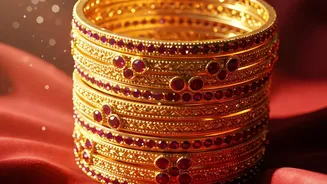
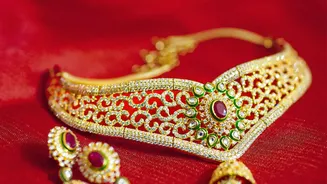
The choice between 22K and 18K gold often comes down to durability. 22K gold is the traditional standard for most Indian jewellery, offering a good balance of high purity and sufficient strength for intricate designs like necklaces and bangles. Its rich yellow hue is highly desirable for ceremonial pieces. However, for items intended for daily wear or those that hold precious stones, 18K gold is often a better choice. The higher percentage of alloys (25%) makes 18K gold significantly more durable and better at securely holding diamonds and other gems, which is why it is widely used for engagement rings and modern designs.
Gold for Investment: Physical vs. Digital
When buying gold purely as an investment, the goal is to maximize value. This means moving beyond jewellery to avoid costs like making charges and GST on labour, which can be 5% or more. Physical gold in the form of 24K coins and bars from a reputable source is a traditional option. However, modern investors have other choices. Digital gold, available on many apps, allows you to buy 24K gold for as little as ₹1, but it often comes with a 3-5% spread between the buy and sell price and no interest. Sovereign Gold Bonds (SGBs), issued by the RBI, are another popular option. They offer a fixed interest of 2.5% per year on the investment amount and are exempt from capital gains tax if held to maturity, making them a highly efficient choice for long-term investors.
Making the Right Choice for You
Ultimately, the best gold for you depends on your purpose. If you are buying for a wedding or traditional event, the cultural significance and look of 22K hallmarked jewellery are paramount. If you need a durable piece for everyday use, especially one with stones, 18K gold offers the necessary strength. For a pure, long-term investment aimed at wealth creation, Sovereign Gold Bonds generally provide superior returns due to their annual interest and tax advantages. Digital gold serves as a convenient entry point for smaller, short-term investments but is less cost-effective for larger amounts compared to SGBs. Define your primary need—adornment, daily use, or financial growth—before you step into the store.