






Why Sweat Is Your Enemy
When you work out, your body produces heat and sweat to cool down. In cold weather, this sweat is the primary obstacle to comfort. If moisture stays trapped against your skin, it rapidly cools, pulling heat away from your body up to 25 times faster than
when you are dry. This can leave you feeling clammy and cold, even under a heavy jacket, and in extreme cases, it can contribute to dangerous conditions like hypothermia. The goal of winter layering is not just to insulate you from the cold, but to effectively manage moisture from the moment you start moving.
The Base Layer: Your Second Skin
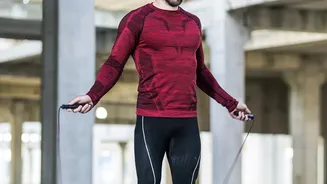
The layer closest to your skin has one critical job: to wick moisture away from your body. This is not the place for cotton. Cotton absorbs and holds onto moisture, which is the exact opposite of what you need. Instead, opt for synthetic fabrics like polyester and nylon, or natural fibres like merino wool. Synthetics are excellent at pulling sweat to the outer surface to evaporate and are very quick-drying. Merino wool is also fantastic at moisture-wicking and has the added benefits of being naturally odour-resistant and retaining warmth even when damp. Your base layer should fit snugly to work effectively.
The Mid-Layer: Your Insulation
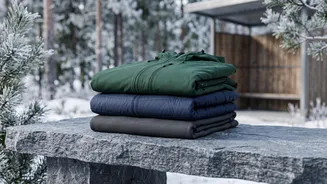
The middle layer is your insulating layer. Its job is to trap the warm air your body generates, creating a protective buffer against the cold. This layer should still be breathable to allow the moisture wicked by your base layer to escape. Excellent materials for a mid-layer include fleece, down, and synthetic insulation. Fleece is a popular, breathable, and durable option. Down is incredibly warm for its weight but loses its insulating properties when it gets wet. Synthetic insulation, often found in puff-style jackets, mimics the properties of down but continues to insulate even when damp, making it a more reliable choice for sweaty activities.
The Outer Layer: Your Weather Shield
The outermost layer, or shell, protects you from the elements like wind, rain, and snow. This layer is crucial for preventing wind from cutting through your clothing and robbing you of warmth. A good outer layer should be both windproof and waterproof or at least water-resistant, but also breathable. If it isn't breathable, all the sweat your inner layers worked so hard to move will get trapped. Look for jackets with features like vents or zippers in the armpits that you can open to release excess heat and moisture as you warm up.
Adapting On the Go
A common mistake is dressing for how you feel the moment you step outside. A good rule of thumb is to dress as if it's 10-15 degrees warmer than the actual temperature. You should feel slightly cool when you first start your workout. As your body generates heat, you will warm up. Layering allows you to adapt. Feeling too warm? Unzip your mid-layer or outer shell. You can even remove a layer and tie it around your waist if needed. This ability to regulate your temperature is what makes layering so effective for activities with varying intensity levels.
Don't Neglect Your Extremities
Your head, hands, and feet also need protection. A significant amount of body heat can be lost through your head, so a hat or headband made from a wicking material is essential. For your hands, thin gloves or mittens will often suffice. If your hands tend to get very cold, mittens are generally warmer as they keep your fingers together. For your feet, avoid cotton socks at all costs. Opt for wool or synthetic socks that will wick moisture and help prevent blisters. Ensure they are high enough to cover any exposed skin at your ankles.