



Prioritise Gradual Acclimatization
Acute Mountain Sickness (AMS) is a serious risk in Spiti, where you'll be consistently above 3,500 metres. The key to prevention is gradual ascent. Plan your itinerary to include at least one or two nights at a mid-altitude location like Kalpa or Narkanda
before proceeding to Kaza. This allows your body to adjust to the lower oxygen levels. Avoid rushing your journey, especially if entering from the Manali side, which involves a rapid altitude gain. Stay aggressively hydrated, avoid alcohol for the first few days, and listen to your body. Common symptoms of AMS include headache, nausea, dizziness, and fatigue. If you experience these, do not ascend further. Rest, and if symptoms persist or worsen, descend to a lower altitude immediately.
Understand High-Pass Realities
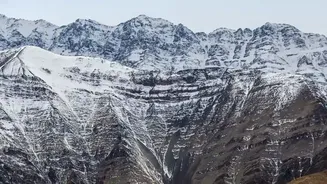
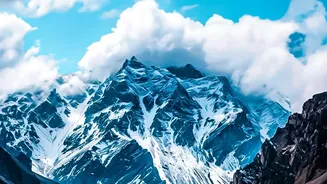
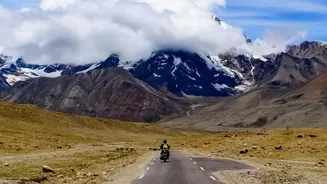
Autumn is a transitional season for Spiti's high passes. While September often offers clear skies and stable roads, conditions can change rapidly from mid-October onwards. Kunzum Pass (4,590m) and Rohtang Pass (3,978m) are the primary gateways from the Manali side and are prone to early snowfall. A sudden storm can lead to closures, leaving you stranded. Black ice, which is nearly invisible, becomes a significant hazard on shaded curves. Always start your travel early in the day to maximize daylight and check the daily road status with local authorities or the Border Roads Organisation (BRO) before starting. If traveling late in the season, it is much safer to enter and exit Spiti via the Shimla-Kinnaur route, as it remains open for longer.
Prepare Your Vehicle and Driver
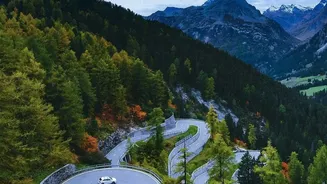
The roads in Spiti, particularly the stretch from Gramphu to Losar and the approach to Kunzum Pass, are notoriously rough, comprising gravel tracks and water crossings. A high-ground-clearance vehicle (SUV or 4x4) is strongly recommended. Before your trip, ensure your vehicle is thoroughly serviced, paying close attention to tyres, brakes, and engine health. If self-driving, you must have experience with mountain roads. Never drive at night. The combination of narrow roads, blind turns, and a lack of guardrails makes it extremely dangerous. Always carry a toolkit, a puncture repair kit, and know how to use them. Fuel stations are only available in major towns like Manali, Kaza, and Reckong Peo, so refuel at every opportunity and carry extra if possible.
Pack in Layers for Extreme Temperatures
Spiti's weather in autumn is a game of extremes. Daytime can feel pleasant in the sun, but temperatures plummet below freezing as soon as the sun sets. The only practical way to dress is in layers. Your packing list must include thermal inners, a fleece mid-layer, and a windproof, waterproof outer jacket. Heavy woollen socks, gloves, a warm cap or beanie, and a scarf are non-negotiable. UV rays are harsh at high altitudes, so a good pair of sunglasses and high-SPF sunscreen are essential to protect your eyes and skin, even on cloudy days.
Carry Cash and Plan for No Connectivity
Do not rely on digital payments or mobile networks in Spiti. The only ATM in the valley is in Kaza, and it is not always functional. Withdraw enough cash in Manali, Shimla, or Reckong Peo to last your entire trip, with a buffer for emergencies. Mobile connectivity is patchy at best. BSNL and Jio have some presence in Kaza and nearby areas, but you should expect zero signal for long stretches between villages and on high passes. Download offline maps of the region before you enter. Inform your family of your itinerary and establish check-in times in advance. This lack of connectivity means you are on your own, making thorough preparation even more critical.
Build a Med-Kit and Buffer Days
Medical facilities in Spiti are basic and far apart. Carry a comprehensive first-aid kit with medications for headache, fever, stomach issues, pain relief, and any personal prescriptions. Include Diamox (acetazolamide) for altitude sickness, but consult your doctor before taking it. Band-aids, antiseptic wipes, and ORS sachets are also crucial. Equally important is building at least two buffer days into your itinerary. Road closures due to landslides or snowfall are common. These extra days provide a crucial safety margin, ensuring that an unexpected delay does not force you to take risks or ruin your trip.