





eVisa vs ETA: The Key Difference for Indians
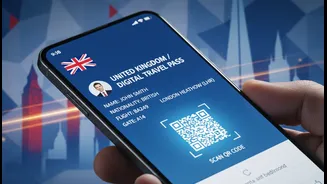
First, let's clear up the biggest point of confusion. The UK has introduced two new digital systems: the eVisa and the Electronic Travel Authorisation (ETA). They are not the same, and the difference is crucial for Indian passport holders. The ETA is a digital travel
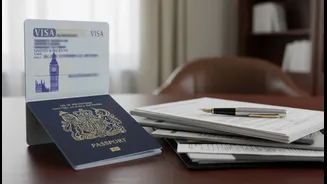
permit for nationals of countries that do not need a visa for short stays in the UK, such as the US, Canada, and EU member states. Indian citizens have never been on this visa-exempt list. Therefore, Indians cannot and do not need to apply for an ETA. Instead, Indian travellers must still apply for a standard UK visa as they always have. The major change is that this visa is no longer a physical sticker in your passport but a digital record called an 'eVisa'.
What is a UK eVisa?
A UK eVisa is simply the digital version of a traditional visa. As of February 2026, the UK government began transitioning to this fully digital system, phasing out the familiar visa vignettes (stickers) and ink stamps in passports. When your visa application is approved, you will receive confirmation and your visa status will be stored as a digital record linked to your passport in the UK Visas and Immigration (UKVI) online system. This eVisa is your official permission to travel to and enter the UK. The government states this digital format is more secure and cannot be lost, stolen, or tampered with.
The Application Process Remains Familiar
While the final visa is digital, the application process for Indian citizens will feel very familiar. It still involves several key steps. You must first complete the detailed application form on the official UK government website (GOV.UK). After paying the required fee, you will need to schedule and attend a biometric appointment at a Visa Application Centre (VAC) in India, run by an official partner like VFS Global. At this appointment, you will submit your fingerprints and have your photograph taken. The major benefit of the new system is that while you still need to attend this appointment, you may no longer have to leave your passport behind during the processing period.
How to Prepare for Travel with an eVisa
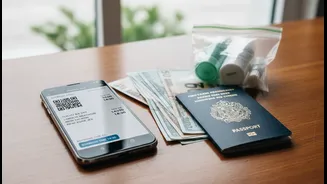
Once your eVisa is granted, you will be notified and can access it through your online UKVI account. Before you travel, it is essential to log into your account, view your eVisa, and double-check that all personal details, especially your passport number, are correct. Airlines will digitally verify your permission to travel before you board, so any mismatch between your eVisa record and your passport could result in being denied boarding. Always travel with the same passport that is linked to your eVisa. If you get a new passport, you must update your details in your UKVI account before your next trip.
Avoiding Common Application Pitfalls
Though the visa is now digital, the reasons for refusal remain the same. The most common issues for Indian applicants are related to finances and documentation. Visa officers need to see stable financial history, not large, unexplained deposits made just before applying. Ensure all your documents are clear, consistent, and tell a logical story. Another major reason for refusal is failing to prove strong 'ties to home', which demonstrates your intention to return to India after your visit. This can be shown through stable employment, family commitments, and property ownership. Finally, always disclose any previous visa refusals from any country; failing to do so can lead to a severe ban for deception.
The Bottom Line for Indian Flyers
The move to eVisas streamlines the UK immigration system and enhances security. For Indian travellers, the key takeaway is that while the final format of the visa has changed to a digital record, the fundamental requirement to apply for a full visa has not. Be wary of misinformation online that confuses the ETA with the visa required for Indians. Always use the official GOV.UK website for your application and ensure your digital details are in order before you fly. The process is more modern, but the need for careful preparation and honest documentation is more important than ever.