






The Invisible Contaminant
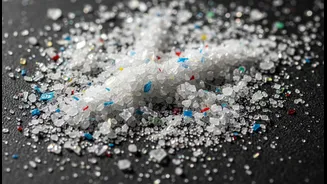
Microplastics are tiny plastic particles, typically smaller than five millimetres, that have become pervasive in our environment. They originate from the breakdown of larger plastic items, like bags and bottles, or are intentionally manufactured as microbeads
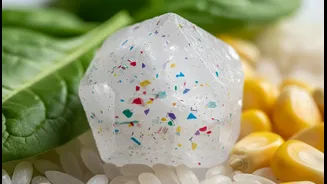
in products. These minuscule fragments are now found almost everywhere, from the deepest oceans to the air we breathe. Unsurprisingly, they have infiltrated our food chain. Recent studies have sounded the alarm, revealing the presence of microplastics in a wide range of consumer products, including seafood, bottled water, and even fresh produce. This has raised significant questions about food safety and long-term health.
A Problem in Every Grain
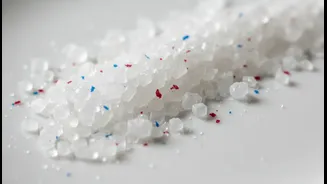
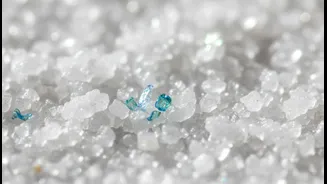
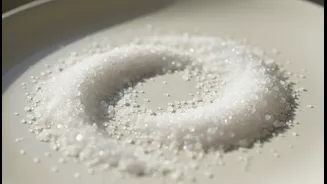
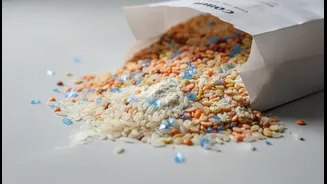
The concern has hit close to home with staples like salt and sugar. A study conducted in India by the environmental organisation Toxics Link found microplastics in all tested samples of salt and sugar, regardless of brand or whether they were packaged or sold loose. The contamination isn't unique to India, with global studies confirming similar findings. For sea salt, the primary source is polluted seawater. For both salt and sugar, contamination can also occur during the manufacturing and processing stages. Plastic equipment, machinery components, and packaging can all shed particles into the final product, turning these everyday essentials into sources of plastic ingestion.
The Health Question Mark
The direct impact of ingesting microplastics on human health is a field of active research, and scientists caution against drawing definitive conclusions just yet. However, preliminary evidence from laboratory and animal studies is concerning. These studies suggest that microplastics may cause low-grade inflammation in the gut, disrupt the delicate balance of the gut microbiome, and potentially weaken the body's immune response. Furthermore, plastics can act like sponges, absorbing and carrying harmful chemicals such as pesticides and heavy metals, which may then be released into the body. In India, the Food Safety and Standards Authority of India (FSSAI) has acknowledged the issue as an emerging threat, launching a project to develop methods for detecting microplastics and assessing exposure levels for Indian consumers.
Industry's Push for Purity
The growing awareness and consumer concern are motivating a slow but steady shift in the food industry. The goal is to reduce plastic at every step, from sourcing to sale. Since processing and packaging are key contamination points, innovators are exploring plastic-free alternatives. This includes investing in machinery made from non-plastic materials like stainless steel and redesigning production lines to minimise contact with plastic components. The most visible changes, however, are happening in packaging. Companies are increasingly looking at advanced paper-based solutions, compostable bioplastics derived from agricultural waste, and even edible coatings made from seaweed or milk proteins as viable replacements for plastic wrappers and containers.
What Plastic-Free Processing Looks Like
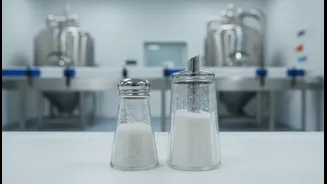
The move towards a plastic-free food chain is multifaceted. For a product like sugar, it could mean using processing equipment that doesn't shed plastic particles and then packaging the final product in advanced paper-based bags with plant-based linings instead of conventional plastic. For salt, it might involve more sophisticated filtration systems to remove environmental contaminants, followed by packaging in glass jars or cardboard cylinders. Some forward-thinking companies are also exploring reusable packaging models, where consumers can return containers for cleaning and refilling. While these innovations are still not mainstream, they represent a significant step towards reducing our involuntary consumption of plastic and building a more resilient, safer food system.