






A Culinary Trip Down Memory Lane
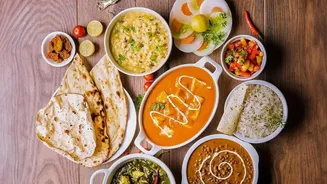
Beyond the usual spread of butter chicken and paneer tikka, a quieter, more profound trend is taking hold across India's dining scene. Restaurants and pop-up food festivals are increasingly curating menus that read like a history book. From five-star
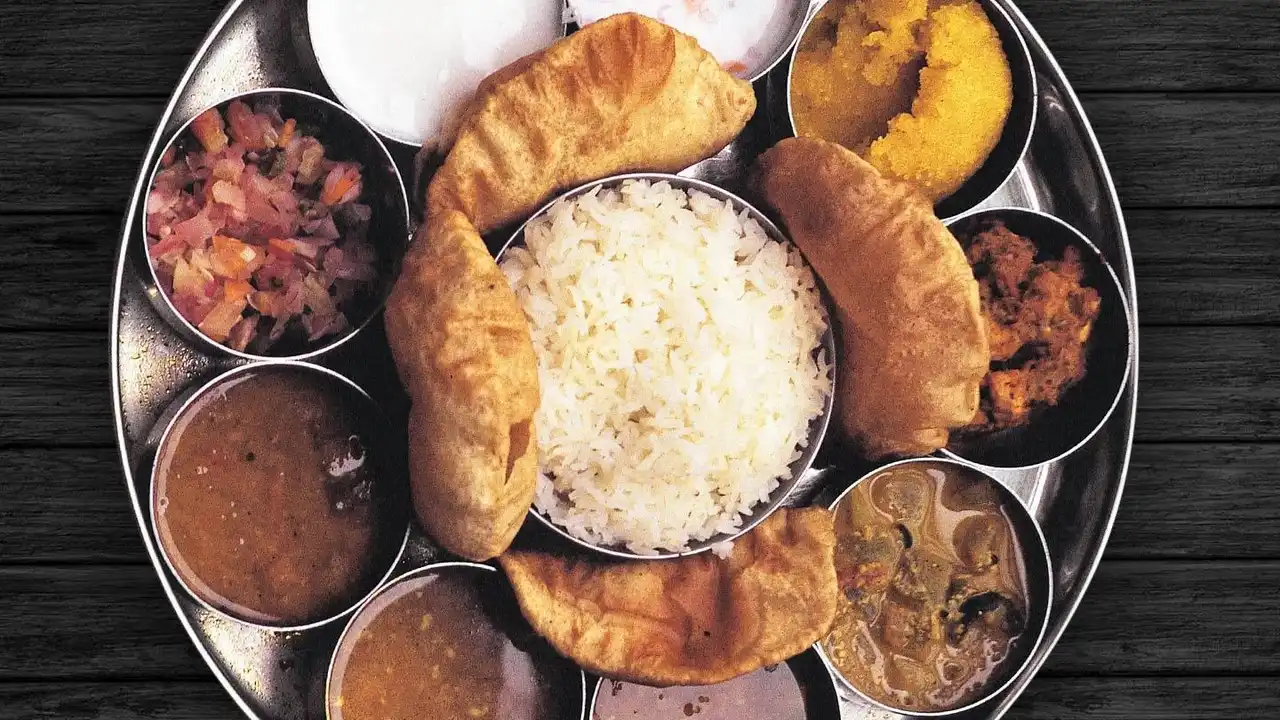
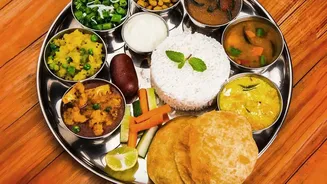
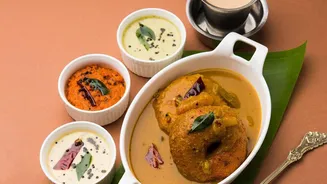
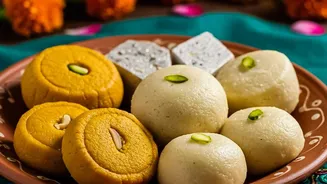
hotel chains launching initiatives like 'Lost Recipes of India' to niche eateries focusing on specific regional cuisines, the focus has shifted from fusion to preservation. This movement is about unearthing dishes that have faded from mainstream menus but still reside in the memories of older generations. These are not just meals; they are edible stories, bringing back the flavours of a childhood summer, a festive family gathering, or a recipe carefully guarded by a grandparent. The goal is to serve not just food, but a tangible piece of the past.
Why We Crave the Past
This culinary revivalism is more than just a passing fad; it's a direct response to our fast-paced, globalised lives. In an era of quick-commerce meals and international food trends, there's a growing hunger for authenticity and connection. For many urban Indians, these generational recipes offer a way to reconnect with their roots and explore their own cultural identity. Experts note that post-pandemic, there's a heightened desire for experiences that feel meaningful and comforting, and food is a powerful medium for this. Diners are no longer just looking for a good meal; they are seeking the stories, history, and cultural context behind what’s on their plate, turning a simple dinner into a richer, more immersive experience.
The Keepers of the Flame
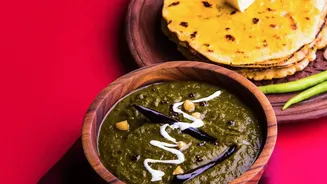
The heroes of this movement are not always celebrity chefs. They are often home cooks, community elders, and culinary historians who have become the custodians of India's vast food heritage. A new generation of chefs is now acting as culinary archivists, travelling to remote villages and spending time with elders to document recipes that were never written down. These 'heritage heroes' bring with them an invaluable knowledge of traditional techniques, seasonal ingredients, and forgotten flavour combinations. By collaborating with these keepers of tradition, restaurants are able to bring dishes like the Kumaoni Bhatt ki Churkani or the royal Maratha Katha Meetha Kaddu back to the forefront, ensuring they are not lost to time. This collaboration honours the communities where these recipes originated and gives them a platform in the modern dining world.
From Family Kitchens to Fine Dining
The revival of these recipes takes many forms. Some restaurants are dedicated to presenting the dishes in their most authentic, unadulterated form, believing that the original recipes need no improvement. Others are giving them a subtle modern interpretation, perhaps by refining the presentation or using contemporary techniques without tampering with the soul of the dish. For example, a chef might deconstruct a home-style dish like 'aloo rassa' into gnocchi, preserving the familiar taste of the gravy from their childhood. Similarly, a humble gobi paratha, a memory from a chef's grandmother, might be reimagined and placed on a fine-dining menu. This flexibility shows that generational food is not a static museum piece but a living tradition, capable of evolving while still honouring its origins.