


A Creamy, Tangy Tradition
For the uninitiated, shrikhand is a beloved dessert with deep roots in Western India, particularly in Gujarati and Maharashtrian cuisines. At its heart, it is deceptively simple: thick, strained yogurt, known as 'chakka', is sweetened with sugar and traditionally
flavoured with cardamom and saffron. The process involves hanging fresh curd in a muslin cloth for several hours, or even overnight, to drain all the whey. What remains is a dense, incredibly creamy base, similar in consistency to Greek yogurt or cream cheese, which serves as the perfect canvas for flavour. This ancient technique dates back centuries, with food historians noting the practice of dewatering curd as early as 500 BC.
The Golden Touch of Kesar
While shrikhand can be made in many flavours, the saffron-infused version, or 'Kesar Shrikhand', holds a special place. Saffron, or kesar, is the world's most expensive spice, harvested by hand from the crocus flower. Each flower produces only three delicate threads, making it a prized ingredient. In Indian culture and cuisine, saffron is more than just a flavouring; it's a symbol of purity, luxury, and celebration. When a few strands are bloomed in warm milk and folded into the creamy chakka, they impart a beautiful golden colour, a complex floral aroma, and a subtly sweet, earthy taste that elevates the dessert from simple to sublime. This touch of opulence is a key reason for its revered status at weddings, festivals, and special occasions.
From Festive Feasts to Viral Sensation
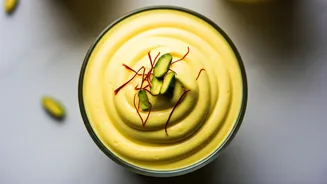
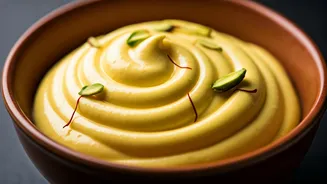
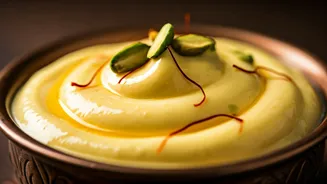
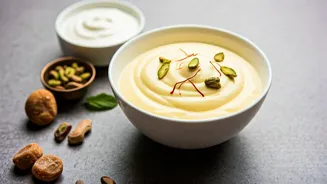
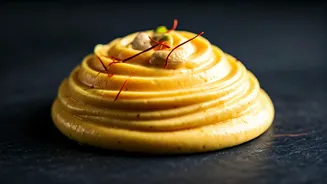
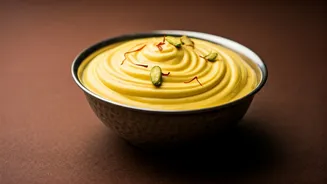
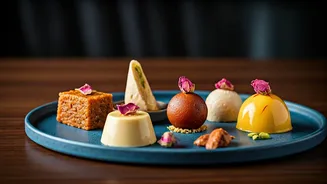
So, why is this ancient dessert suddenly flooding our digital feeds? The answer lies in a perfect blend of nostalgia, aesthetics, and modern food culture. Kesar Shrikhand is incredibly photogenic. Its vibrant golden hue, often garnished with contrasting green pistachios, slivered almonds, and a few extra saffron strands, makes it a star on platforms like Instagram. The swirls of creamy yogurt capture the light beautifully, creating an image that is both rustic and luxurious. Furthermore, there's a growing movement towards celebrating and rediscovering traditional, homemade recipes. In an age of complex, multi-component desserts, the simplicity and authenticity of shrikhand offer a refreshing change. It taps into a collective nostalgia for the flavours of childhood and the comfort of family recipes, often passed down through generations. This renewed appreciation for heritage food, amplified by social media, has brought shrikhand out of the exclusive domain of festive meals and into the everyday culinary conversation.
More Than Just a Dessert
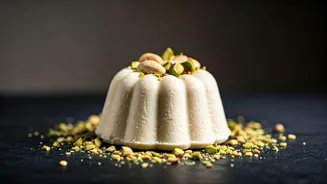
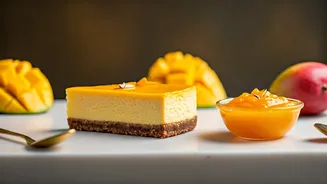
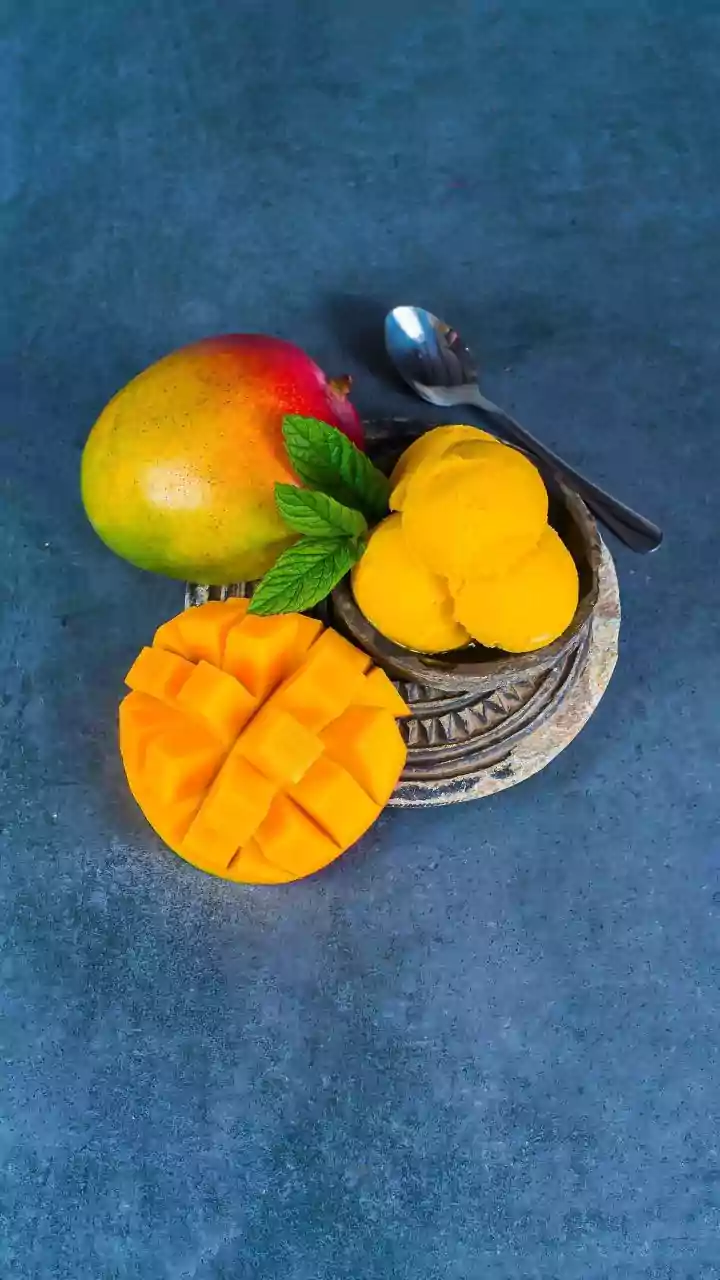
The popularity of saffron shrikhand also speaks to its versatility. While traditionally served with hot, fluffy puris, it's increasingly being presented in modern formats. Food bloggers and home cooks are serving it in elegant glasses like a parfait, layered with nuts and fruits, or as a fusion dessert component. Popular variations include mango shrikhand (amrakhand), rose, and even chocolate, but the saffron version remains the quintessential classic. This embrace by a younger, digitally-savvy generation ensures its legacy. Making it at home, whether through the traditional slow method of hanging curd or a quicker version using store-bought Greek yogurt, has become a rewarding culinary project. It’s a way to connect with cultural roots while creating something beautiful and delicious to share—both at the table and online.