





A Downpour of Demand
The numbers tell a compelling story: the monsoon season is no longer a lull for India's tourism sector. Travel platforms are reporting a significant year-on-year surge in bookings for what was traditionally considered the off-peak period. According to travel
fintech platform Scapia, hotel bookings in destinations like Munnar and Mussoorie have seen a staggering 10-fold growth compared to last year. Other popular spots like Coorg, Wayanad, and Lonavala have witnessed a seven-fold increase. Major hotel chains are confirming this trend, with Radisson Hotel Group reporting that July bookings are pacing nearly 10% ahead of the previous year, transforming the monsoon from a quiet quarter into a bustling travel season.
The Economics of a Rainy Day
One of the biggest drivers of this new trend is simple economics. Historically, hotels in leisure destinations like Goa would slash prices by nearly 25% during the monsoon to attract visitors. While that deep a discount is becoming rarer due to sustained demand, the season still offers significant value. Travel companies are leaning in with aggressive campaigns, offering deals on flights and accommodation that make a monsoon getaway an incredibly attractive proposition. For many travellers, this is an opportunity to experience luxury properties or take more frequent, shorter breaks without stretching their budgets, a trend that is seeing weekend getaways and 'mini-cations' become the new norm.
From Sightseeing to 'Experience-ing'
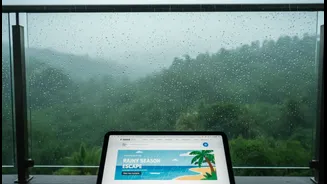
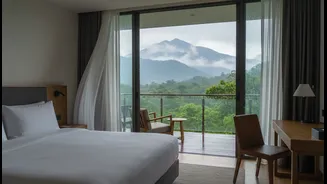
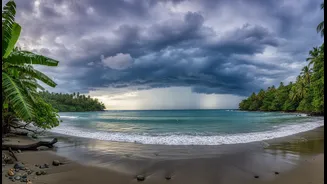
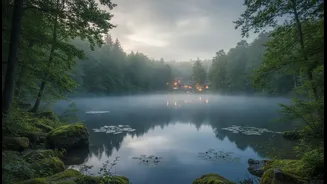
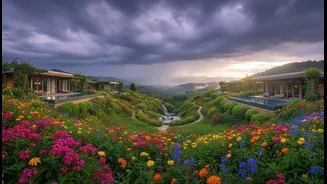
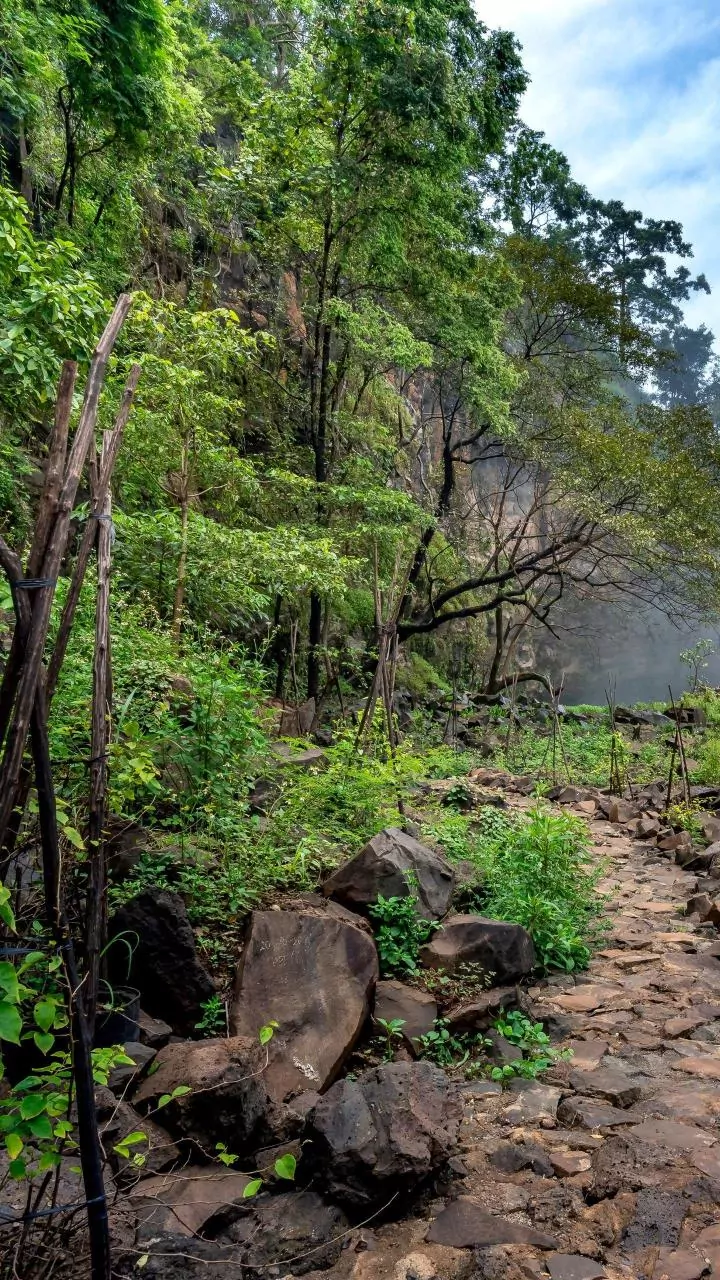
The modern monsoon traveller isn't just looking for a checklist of sights; they are seeking curated experiences. The focus has shifted from traditional tourism to immersive getaways centered on wellness, relaxation, and culture. Hotels are responding by marketing holistic stays that include spa treatments, indoor recreation, and menus featuring seasonal comfort food. The appeal lies in the unique atmosphere the monsoon creates—the romance of watching rain from a cozy hotel room, the scent of wet earth, and the vibrant, lush greenery that transforms landscapes. This shift is part of a larger trend towards experience-led travel, where the 'why' of the trip is more important than the 'where'.
The 'Workation' and Flexible Travel
The rise of remote and flexible work schedules has untethered a significant portion of the workforce from traditional holiday calendars. This has fueled the concept of the 'workation'—combining work with leisure in a new location. Destinations like Coorg, Wayanad, and even parts of Goa are becoming popular for remote workers seeking a change of scenery. The monsoon provides a perfect backdrop: a peaceful environment conducive to work, combined with beautiful landscapes to explore after logging off. This flexibility allows travellers to take advantage of off-season pricing and avoid the crowds typical of peak summer or winter holidays.
Where the Clouds are Gathering
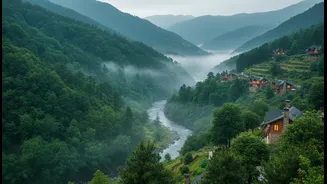
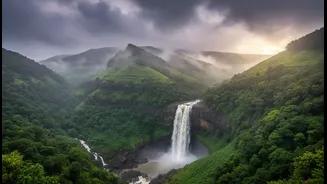
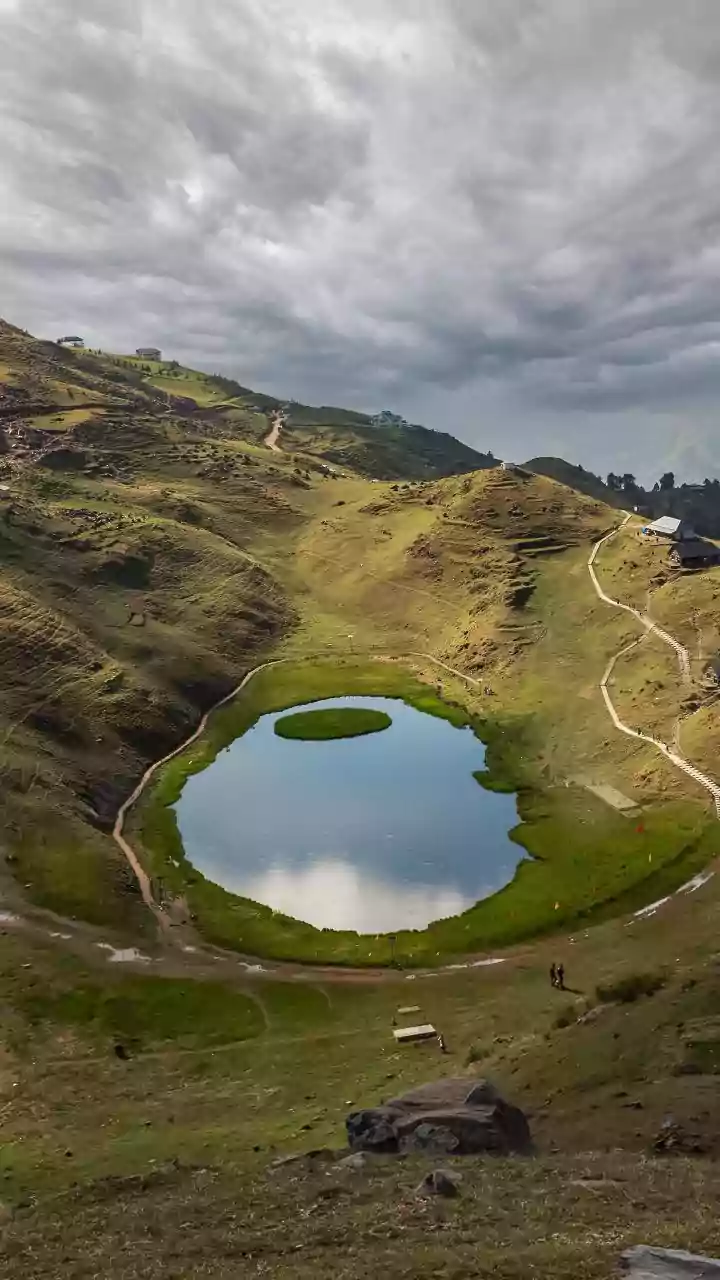
While Goa and Kerala remain perennial monsoon favourites, the trend is now widespread. Hill stations across the country are seeing a massive influx of visitors. In the south, Munnar, Wayanad, Coorg, and Kodaikanal are top choices for their mist-covered tea gardens and gushing waterfalls. In the north, destinations like Mussoorie, Nainital, and Shimla are attracting significant crowds. Even the northeastern states of Nagaland and Arunachal Pradesh are emerging as standout performers, with a 62% year-on-year rise in flight bookings. This geographic spread shows that the love for monsoon travel is a nationwide phenomenon, also encompassing spiritual destinations like Rishikesh, Ayodhya, and Varanasi which are seeing sustained interest regardless of the season.