

What is the New Consensus?
The Endocrine Society of India (ESI), in its first-ever consensus guidance for the Indian population, is officially recommending that calcium needs should be met primarily through diet. This marks a significant move away from the casual, and often unsupervised,
use of supplements. The new guidelines, supported by the Indian Council of Medical Research (ICMR), emphasize that supplements should be reserved only for specific situations where dietary intake is proven to be insufficient or when medical conditions demand it. The core message from experts is clear: before reaching for a bottle of calcium tablets, first assess and improve what you eat. This change aims to tackle the widespread low calcium intake in the country in a safer and more natural way.
Why Food First is a Smarter Strategy
The pivot to a food-first model is driven by growing evidence about how our bodies handle calcium. The calcium from food sources is generally better absorbed and utilized by the body compared to concentrated doses from supplements. Moreover, there are increasing concerns about the potential risks of over-supplementing. While dietary calcium is considered safe, high doses of calcium from supplements have been linked in some studies to an increased risk of kidney stones and potential cardiovascular issues, as the sudden spike in blood calcium levels can contribute to calcification in arteries. Nutritionists point out that supplements often lead people to consume far more calcium than they actually need. A balanced diet provides calcium alongside other essential nutrients like protein, magnesium, and phosphorus, which work together to support bone health.
Your Calcium Powerhouse: The Indian Thali
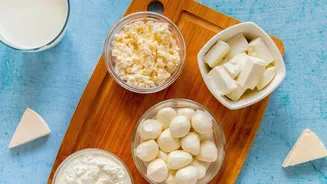
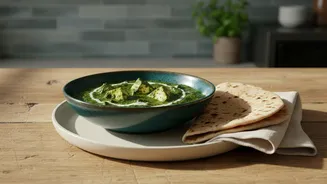
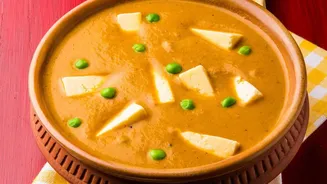
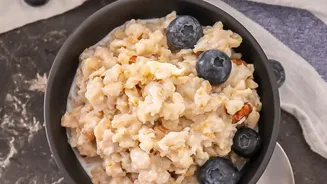
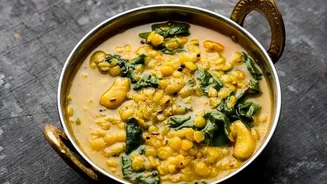
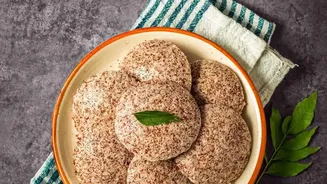
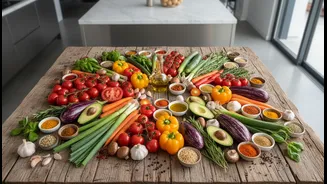
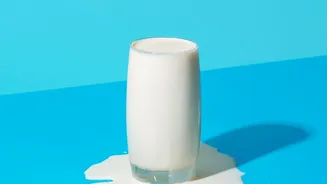
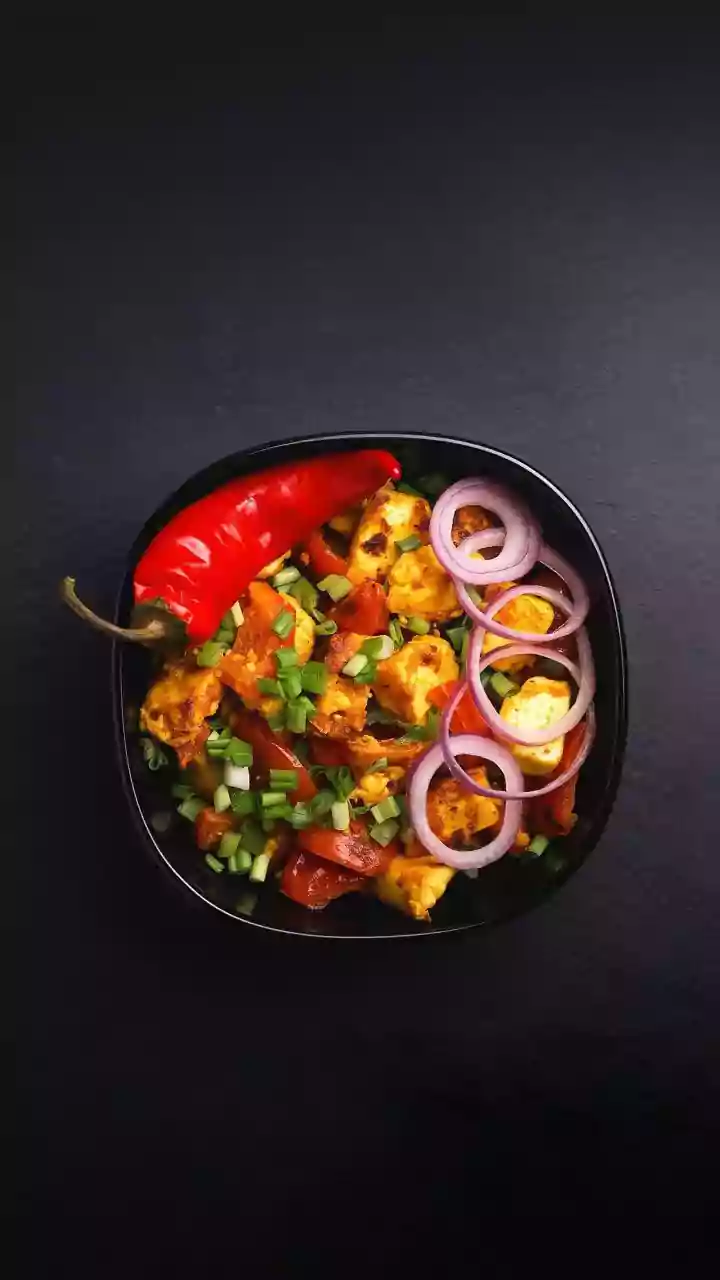
Meeting your daily calcium requirement, which is 1,000 mg for most adults, is easier than you think with traditional Indian foods. Dairy products remain a top source; a glass of milk, a bowl of curd, or a serving of paneer can contribute significantly to your daily goal. However, the real superstar of the Indian diet is often ragi (finger millet), which contains more calcium than milk. Incorporating ragi into dosas, rotis, or porridge is an excellent way to boost your intake. Other powerful sources include sesame seeds (til), which are exceptionally rich in calcium, and leafy greens like amaranth (chaulai), moringa (drumstick leaves), and spinach. Legumes such as chickpeas (chana) and kidney beans (rajma) also provide a healthy dose of this vital mineral.
The Crucial Role of Vitamin D
Simply eating calcium-rich foods isn't enough; your body needs Vitamin D to absorb it effectively. Widespread Vitamin D deficiency across India is a major reason why many people have poor calcium levels despite their diet. The best and most natural source of Vitamin D is sunlight. Health experts recommend regular, moderate sun exposure. The ICMR suggests a daily intake of 600 IU of Vitamin D, which can also be obtained from fortified foods like milk and cereals, as well as eggs and fatty fish. Without adequate Vitamin D, the calcium you consume from your food cannot be properly utilized to build and maintain strong bones, making this vitamin a non-negotiable partner in your bone health journey.
When Are Supplements Still Needed?
The new guidelines do not call for a complete ban on supplements but rather for their rational and targeted use under medical supervision. Supplements are still necessary for individuals who cannot meet their daily needs through diet alone. This is particularly true for certain groups with higher physiological requirements. These include post-menopausal women, who are at a higher risk of osteoporosis and may need up to 1,200 mg daily. Pregnant and lactating mothers also have increased needs. People with diagnosed medical conditions like osteoporosis, hypoparathyroidism, or malabsorption syndromes that impair nutrient uptake will also require supplementation as part of their treatment. The key takeaway is that the decision to take a supplement should not be a casual one but should be based on a doctor's evaluation of your diet, age, and overall health status.