







Start with the Scalp
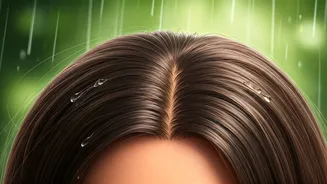
A healthy scalp is the foundation of good hair, and during the monsoon, it needs extra attention. The combination of humidity, sweat, and oil creates a perfect breeding ground for fungal growth, leading to dandruff, itchiness, and weakened roots. Experts
recommend washing your hair two to three times a week with a mild, sulphate-free shampoo to remove buildup without stripping natural oils. If you get caught in the rain, make sure to wash your hair afterwards, as rainwater can contain pollutants that damage the hair shaft. Thoroughly drying your scalp—using a cool setting on your blow dryer if necessary—is critical to prevent fungal infections.
Master Frizz Control
Frizz is the most common complaint during the rainy season. It happens when the outer layer of your hair, the cuticle, lifts and absorbs excess moisture from the air, causing the hair shaft to swell unevenly. The key to fighting frizz is locking in moisture and smoothing that cuticle. Always use a conditioner after shampooing, focusing on the mid-lengths and ends. Using a leave-in conditioner or an anti-frizz serum can create a protective barrier against humidity. When drying your hair, swap your regular towel for a soft microfiber one to reduce friction and prevent further damage to the cuticle. Limiting heat styling is also crucial, as tools like straighteners can dehydrate hair, making it more susceptible to frizz.
Combat Monsoon Hair Fall
Seeing more hair on your brush during the monsoon is a common experience, with shedding sometimes increasing significantly. This is often due to a combination of factors, including weakened roots from a damp scalp and increased breakage. To combat this, gentle handling is key. Avoid tying your hair tightly, especially when it's wet, as damp hair is more elastic and prone to snapping. Opt for loose braids or buns instead. A balanced diet rich in protein, iron, and biotin also plays a vital role in strengthening hair from within. Incorporating foods like eggs, spinach, nuts, and fruits can support healthier hair growth and reduce seasonal shedding.
The Right Way to Oil and Mask
Oiling can be beneficial during the monsoon, but moderation is important. A gentle massage with a lightweight oil like coconut or argan about 30 minutes to an hour before washing can nourish the scalp and improve blood circulation. However, avoid leaving oil in for too long, as it can attract dirt and clog pores on an already oily scalp. Weekly hair masks are an excellent way to provide deep conditioning. Look for ingredients like peptides, argan oil, or shea butter to repair and smooth your strands. You can also whip up effective DIY masks at home. A simple mixture of banana and honey can help reduce frizz, while an aloe vera and coconut oil blend can soothe the scalp and add moisture.
DIY Hair Masks for Monsoon Rescue
Your kitchen holds powerful ingredients to tackle monsoon hair issues. For a protein boost and to combat breakage, try an egg and olive oil mask; the protein strengthens the hair shaft while the oil adds moisture. If you're dealing with dandruff and an itchy scalp, a mask made from yogurt and honey can help. Yogurt's probiotic properties soothe the scalp, and honey is a natural humectant. For intense frizz, a mashed banana and coconut oil pack works wonders; banana contains silica, which can help make hair stronger and smoother. For a flaky or greasy scalp, a rinse made from diluted apple cider vinegar or steeped green tea with mint leaves can help balance pH and reduce oil secretion.