


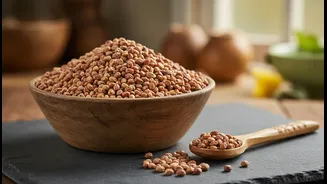



What Matters: The Enduring Power of a Humble Lentil
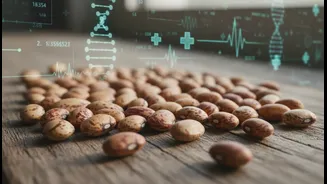
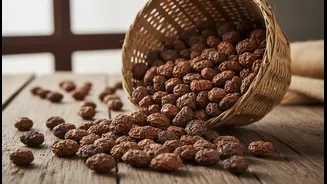
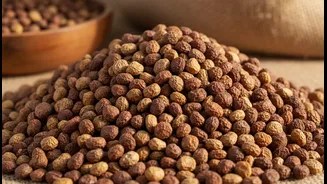
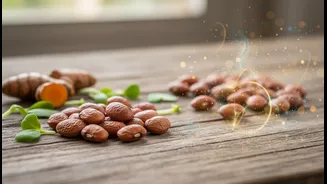
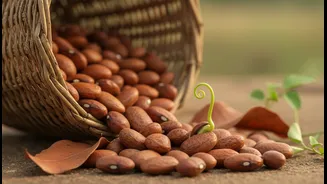
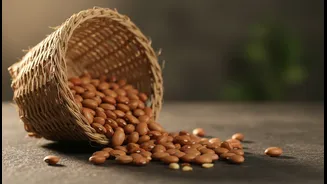
For generations, horse gram has been a staple, especially in South India and Uttarakhand. Its reputation as a hardy crop that thrives in dry conditions is matched by its dense nutritional profile. What has always mattered about horse gram is its exceptional
content of protein, calcium, and iron, making it a vital food source, particularly in vegetarian diets. It is one of the most protein-rich lentils available. Traditionally, Ayurveda has used it to address various ailments, from kidney stones and urinary issues to the common cold and asthma. It's also known for generating heat in the body, making it a popular winter food. The established wisdom is that horse gram is a nutrient-dense, high-fibre legume that aids in digestion and provides sustained energy. Its regular consumption is associated with overall wellness, forming the basis of many regional dishes like Kulthi Dal, Rasam, and sprouted salads.
What's New: The Science Starts to Catch Up
The most exciting new developments are coming from scientific research, which is beginning to validate many of horse gram's traditional uses. Recent studies are highlighting its potential as a functional food. One of the most significant areas of new research is its effect on metabolic health. Scientists have found that compounds in raw horse gram seeds can help manage blood sugar levels by slowing carbohydrate digestion and reducing insulin resistance, making it beneficial for people with diabetes. There is also growing evidence for its role in heart health. Studies on animals have shown that horse gram extract may help lower bad cholesterol (LDL) and triglycerides. Its high concentration of antioxidants, such as polyphenols and flavonoids, is now understood to be key to its anti-inflammatory properties, which may protect against chronic diseases. Furthermore, its traditional use for kidney stones is gaining scientific attention, with studies suggesting its diuretic properties and ability to break down calcium deposits may help prevent stone formation and recurrence.
What Remains Unclear: The Gaps in Our Knowledge
Despite the promising research, many questions about horse gram remain unanswered, and some claims are not yet fully supported by robust human trials. Much of the current research on benefits like weight loss and cholesterol reduction has been conducted in animal studies using concentrated extracts. More large-scale human studies are needed to confirm these effects and establish effective dosages. Claims around its ability to heal ulcers or its anti-cancer properties are still in preliminary stages of investigation and should be viewed with caution. Another unclear area is the full impact of its 'anti-nutrients,' like phytic acid, which can inhibit mineral absorption. While soaking, sprouting, or cooking is known to reduce these compounds, the precise dynamics are still being studied. Additionally, while traditional knowledge holds it in high regard for numerous conditions, the specific bioactive compounds responsible for each effect and their mechanisms of action are not fully mapped out by modern science. The line between its nutritional benefits and direct therapeutic action is still being drawn.
Bringing Horse Gram to Your Kitchen
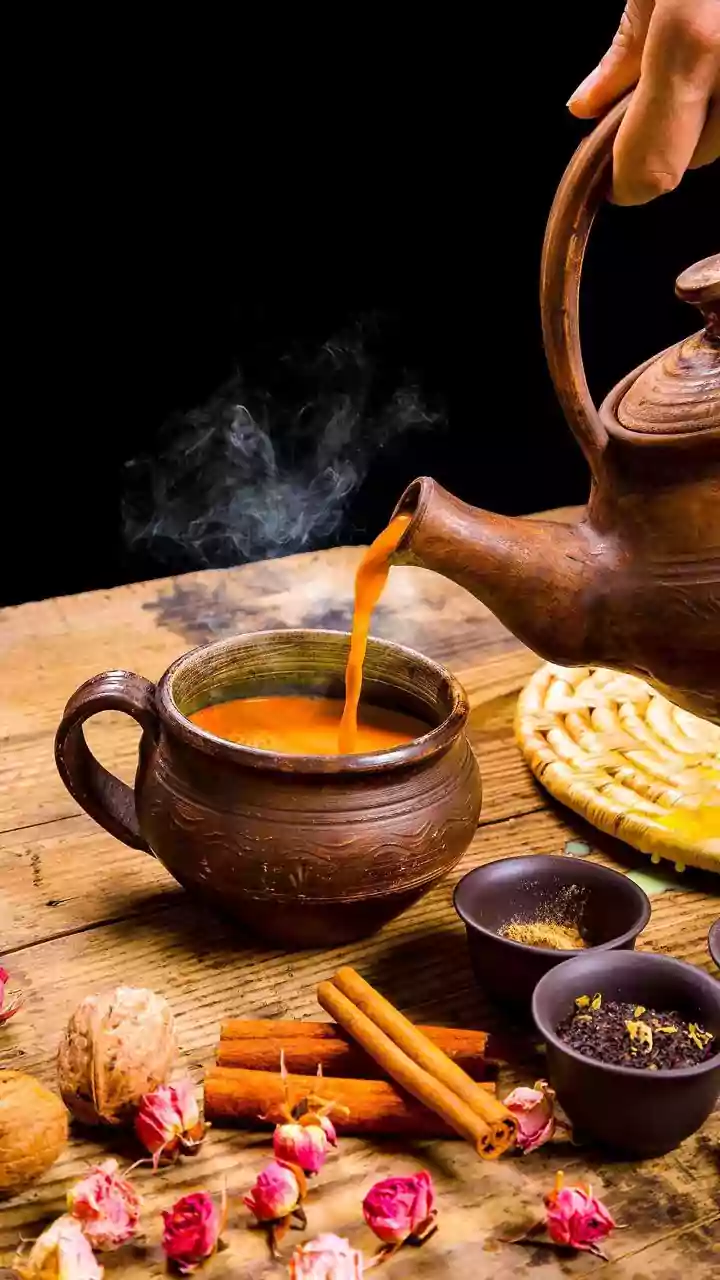
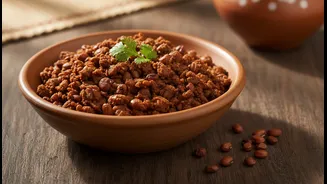
Incorporating horse gram into your diet is simple. This versatile lentil, with its earthy and nutty flavour, can be used in numerous dishes. The most common method is to soak the seeds overnight, which reduces cooking time and makes them easier to digest. You can then pressure cook them to make a simple dal or add them to soups. A very popular preparation across South India is 'rasam,' a thin, spicy soup made from the water in which horse gram was boiled, seasoned with tamarind, tomato, and spices. This is often consumed as a remedy for colds and coughs. Sprouted horse gram is another excellent option, perfect for adding a crunchy, nutritious element to salads. The flour can be used to make traditional pithas or pakodas, while roasted and powdered horse gram makes for a flavourful 'podi' to be mixed with rice and ghee.