




Decoding 'Hidden Hunger'
Hidden hunger, or micronutrient deficiency, occurs when people consume enough calories to feel full but their diet lacks essential vitamins and minerals like iron, zinc, and Vitamin A. Unlike the visible signs of starvation, its effects are insidious:
fatigue, a weakened immune system, and impaired cognitive development in children. Globally, over two billion people are affected, and a significant portion resides in India, where monotonous, cereal-heavy diets are common. According to national surveys, over half of all women and children suffer from anaemia, a direct consequence of iron deficiency, which impacts everything from maternal health to a child's ability to learn.
The Green Revolution’s Double-Edged Sword
To understand today's dietary landscape, we must look back at the Green Revolution of the 1960s. Facing the threat of famine, India rightly focused on achieving self-sufficiency. Agricultural policies, including the Minimum Support Price (MSP), incentivised farmers to cultivate high-yield varieties of rice and wheat. The strategy was a resounding success, making India a food-secure nation. However, this intense focus on a few staple grains had an unintended consequence: it pushed a wide variety of traditional, nutrient-dense crops to the margins. The cultivation of millets, pulses, and diverse local vegetables, which were once staples, declined as farmers found it more economically viable to grow government-procured rice and wheat. This policy-driven shift narrowed the food basket, reducing the diversity of nutrients available on the average Indian's plate.
Crop Diversity: The Antidote on Our Plates
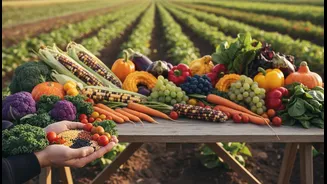
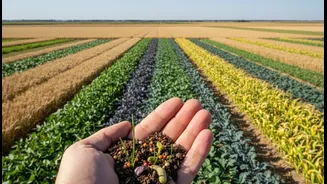
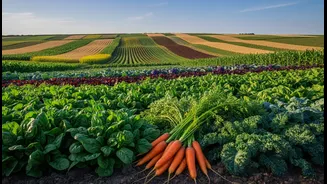
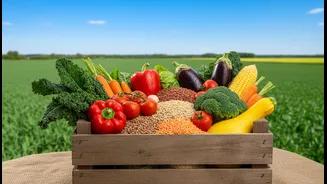
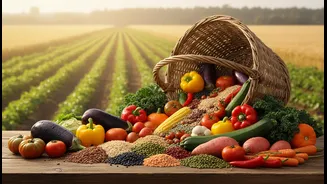
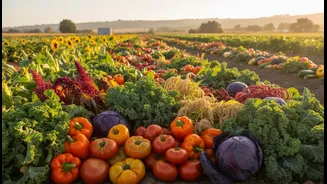
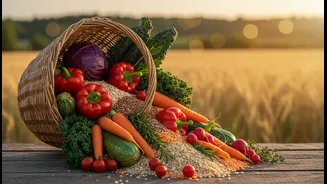
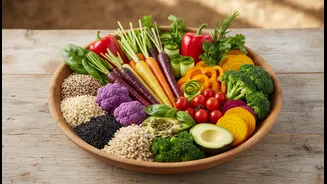
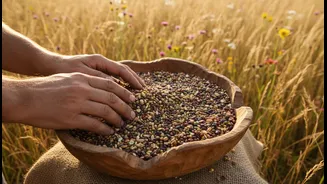
The solution to hidden hunger lies in re-embracing the very thing that was sidelined: crop diversity. Growing a wider variety of crops is not just an agricultural strategy; it is a public health imperative. Different plants provide different nutrients. Millets, for instance, are rich in iron, zinc, and dietary fibre. Pulses are an excellent source of protein, and leafy green vegetables provide a spectrum of vitamins. When farms are diverse, our diets can be diverse, naturally providing the range of micronutrients needed to combat hidden hunger. Beyond nutrition, crop diversity also makes agriculture more resilient. It improves soil health, reduces dependency on chemical inputs, and lowers the financial risk for farmers by protecting them from the failure of a single crop due to pests or unpredictable weather.
From Policy to Plate: Encouraging a New Revolution
Shifting from a calorie-focused to a nutrition-focused agricultural system requires deliberate policy changes. The Government of India has already begun taking steps in this direction. The declaration of millets, or 'Shree Anna', as nutri-cereals and their promotion through initiatives like the National Food Security Mission are positive developments. The Crop Diversification Programme, initially focused on states like Punjab and Haryana, aims to wean farmers off water-guzzling paddy towards pulses, oilseeds, and coarse cereals. To truly drive change, policies must create a supportive ecosystem. This includes expanding the MSP to cover more diverse crops, strengthening supply chains for perishable goods, and educating both farmers and consumers about the benefits of a varied diet. Community-led initiatives, like establishing seed banks for traditional varieties, also play a vital role in preserving and promoting our agricultural heritage.