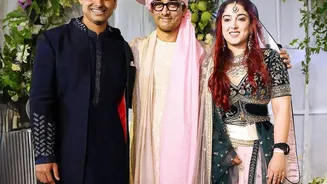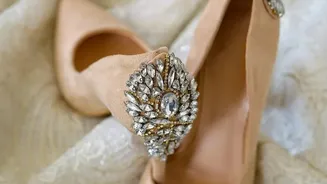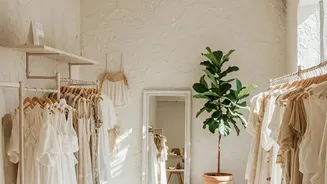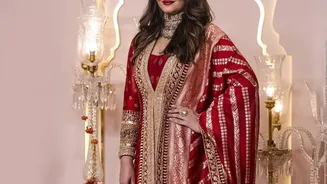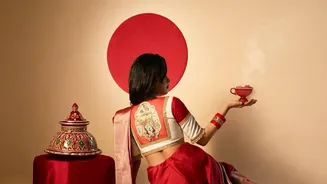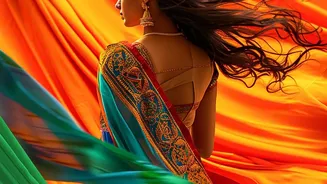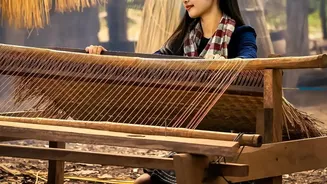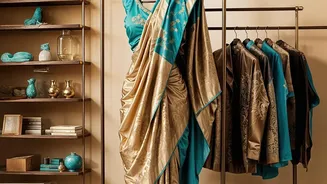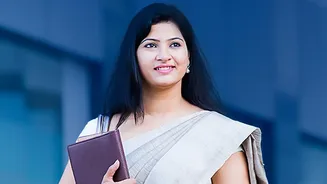


The days of the magnificent, thirty-kilo lehenga worn for a few glorious hours and then packed away forever are numbered. A major shift is underway in Indian wedding fashion, favouring a new kind of luxury: versatility.
The Rise of Thoughtful Embellishment
For years, bridal and festive fashion
was defined by maximalism, where every square inch of fabric was a canvas for heavy zardozi, dense sequins, and bold embellishments. While the grandeur remains an option, the prevailing trend for 2026 is a move towards quiet luxury and conscious choices. This new aesthetic champions minimalist embroidery—not as a compromise, but as a deliberate and sophisticated statement. Instead of overwhelming the fabric, the embroidery now punctuates it. Think delicate threadwork in a colour that matches the fabric, creating a subtle texture, or a single, beautifully executed motif on a cuff or neckline. This 'less is more' philosophy is driven by a modern desire for comfort, elegance, and sustainability, with women preferring clothes that are light, breathable, and feel as good as they look.
What 'Minimalist' Really Means
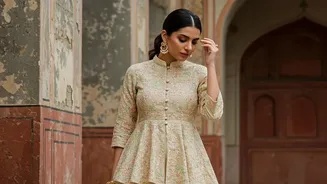
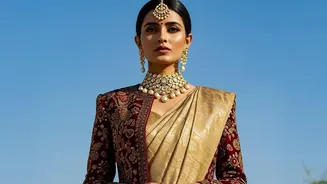
Minimalism in this context isn't about plainness; it's about intentionality. It's the difference between clutter and craft. The focus has shifted from the quantity of embellishment to the quality of the fabric and the precision of the silhouette. Designers are putting premium materials like organza, Chanderi, and soft silks at the forefront, letting their natural sheen and drape take centre stage. Embroidery trends lean towards refined techniques: subtle Gota Patti on a border, scattered pearl work, or clean geometric patterns. This approach not only feels more modern but also allows the wearer's personality to shine through, complemented by the outfit rather than being overshadowed by it. The colour palette has also softened, with ivory, sage green, dusty blues, and soft lavenders becoming as sought-after as traditional reds and golds.
The End of the One-Time Wonder
Perhaps the most significant impact of this trend is the death of the single-use outfit. A lehenga or saree with minimalist embroidery is inherently more versatile. It no longer screams 'bride' and can be easily adapted for other occasions, from a family puja to a friend's sangeet or a festive dinner. This practicality is a huge driver for the modern consumer, who values investment pieces that offer longevity. An outfit that can be reworn in different ways is seen as a smarter, more sustainable choice, aligning with a growing awareness of fashion's environmental impact. Choosing pieces that can be restyled is becoming a core part of building a modern Indian wardrobe.
How to Restyle Your Lighter Wedding Wear
The secret to making a wedding outfit multi-occasional lies in breaking it apart. A bridal lehenga isn't one garment; it's three—a skirt, a blouse (choli), and a dupatta. To wear it again without it looking like a repeat of the wedding day, simply style the pieces separately. Pair the lehenga skirt with a crisp white shirt or a simple silk camisole for an Indo-Western look. The heavily embroidered blouse can be worn with a plain saree or a pair of high-waisted trousers. The dupatta, often a masterpiece in its own right, can be draped over a simple salwar kameez or even styled as a cape or with a different lehenga to create an entirely new ensemble. By changing even one component, the entire look is transformed from 'bridal' to 'celebratory'.