



The Auspicious Date
Janmashtami is a vibrant festival honouring the birth of Lord Krishna, who is considered the eighth avatar of Lord Vishnu. Celebrations involve fasting, singing devotional songs, and decorating temples and homes. The festival culminates at midnight, the time
Krishna is believed to have been born. According to the Hindu calendar, it falls on the eighth day (Ashtami) of the dark fortnight in the month of Bhadrapada. In 2026, Janmashtami will be celebrated on Friday, September 4. While the main celebrations and puja occur on this day, the Dahi Handi festivities, which reenact Krishna's playful childhood, will take place the following day on September 5, 2026.
1. Makhan Mishri: The Lord’s Favourite
No Janmashtami bhog is complete without Makhan Mishri. Lord Krishna's fondness for butter is legendary, earning him the affectionate name 'Makhan Chor' or butter thief. This offering, a simple blend of freshly churned white butter and rock sugar (mishri), symbolizes purity, sweetness, and the innocent love between a devotee and the divine. It is incredibly easy to prepare; simply churn full-fat milk or cream to separate the butter, and then gently fold in the mishri crystals. This uncooked, pure offering is often the first thing served to Lord Krishna at midnight and beautifully captures the essence of the festival.
2. Dhaniya Panjiri: The Traditional Prasad
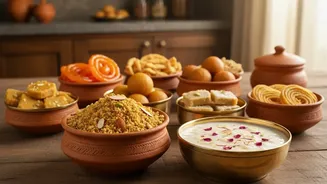
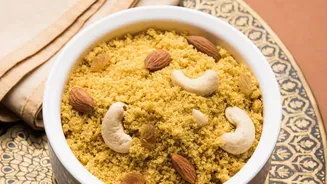
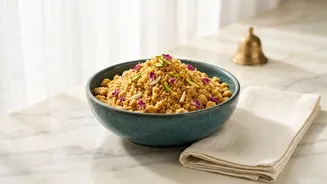
Dhaniya Panjiri is a quintessential Janmashtami prasad, especially in North India. Since many devotees fast and avoid grains, this panjiri is made with coriander seed powder instead of wheat flour. The ground coriander is roasted in ghee until fragrant and then mixed with powdered sugar, chopped nuts, and sometimes grated coconut and foxnuts (makhana). Beyond its spiritual significance, Dhaniya Panjiri is valued for its health benefits; coriander is known to be cooling and good for digestion, making it ideal for those breaking a day-long fast. Its long shelf life also makes it a practical prasad to prepare in advance and distribute among friends and family.
3. Panchamrit: The Divine Nectar
Panchamrit, which translates to 'five nectars', is a sacred concoction used in Hindu rituals for bathing deities and as a blessed offering. It is made from five key ingredients: raw cow's milk, curd (yogurt), honey, ghee (clarified butter), and sugar or mishri. Each ingredient holds symbolic meaning: milk for purity, curd for prosperity, ghee for strength, honey for unity, and sugar for sweetness and bliss. Preparing Panchamrit involves no cooking; the five ingredients are simply mixed in a clean bowl. This divine elixir is believed to purify the body and soul and is an essential part of the midnight puja ceremony.
4. Gopalkala: A Savoury Mix
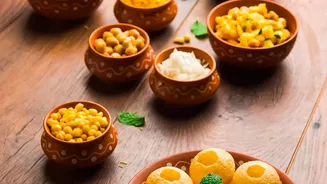
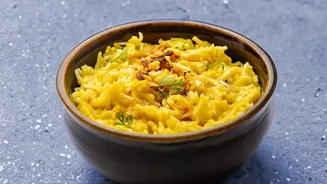
Gopalkala is a savoury dish that reflects the playful, communal spirit of Krishna's childhood. It's a Maharashtrian specialty made from soaked flattened rice (poha) mixed with curd, chopped cucumber, grated coconut, and a simple tempering of ghee, cumin seeds, and green chillies. The dish is believed to be reminiscent of the simple meals Krishna shared with his friends, the cowherds (gopas), in the fields. All the ingredients were mixed together in a pot, creating a simple yet wholesome meal. This no-cook, refreshing dish is both nutritious and easy to assemble, making it a perfect light offering amidst the richer sweets.
5. Coconut Ladoo: A Quick Sweet
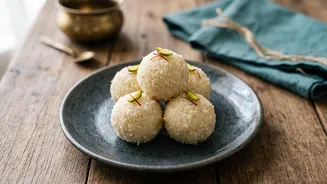
For those looking for a quick and simple sweet, Coconut Ladoos are an excellent choice. Often made with just two or three primary ingredients—desiccated coconut and condensed milk—these ladoos come together in under 15 minutes. The process involves toasting the coconut lightly, mixing it with condensed milk, and cooking for a few minutes until the mixture thickens. Once cooled slightly, it's rolled into small balls. Cardamom powder can be added for extra fragrance. These soft, chewy treats are festive, easy to make in large batches, and beloved by all ages, making them a wonderful addition to the Janmashtami bhog thali.
6. Makhana Kheer: A Creamy Delight
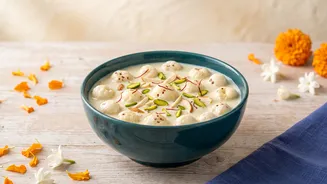
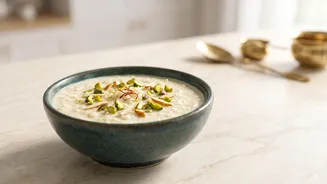
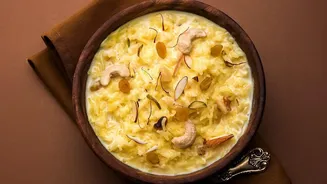
Makhana Kheer, or foxnut pudding, is a popular fasting-friendly dessert that is both creamy and nutritious. Makhana are roasted in ghee until crisp, which gives them a delightful nutty texture. They are then lightly crushed and simmered in milk until the milk thickens and the makhana pieces soften. Sweetened with sugar and flavoured with cardamom powder and saffron, this kheer is garnished with chopped nuts like almonds and pistachios. It offers a lighter alternative to traditional rice kheer and is perfectly suited for Janmashtami, aligning with the sattvic food principles followed during the festival. It’s a comforting and elegant sweet to complete the festive spread.