






The Monsoon and Mushroom Connection
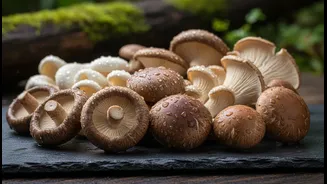
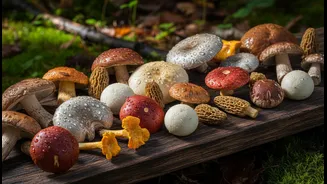
There’s a natural, almost primal, link between the rainy season and mushrooms. Biologically, the high humidity and moist soil create the perfect conditions for fungi to fruit, which is why many wild varieties appear during this time. This seasonal abundance
has been a part of Indian culinary tradition for generations, with indigenous communities foraging for specific edible types that emerge only between July and October. In Goa, for instance, the monsoon is considered incomplete without a meal of wild olmi mushrooms, which grow on termite mounds. Similarly, in Jharkhand, rare rugra mushrooms, often called 'vegetarian mutton', are gathered and sold in local markets during these wet months. This natural availability has cemented the mushroom's place as a quintessential monsoon ingredient.
A Craving for Comfort
Beyond just availability, there's a psychological reason we turn to mushrooms when it rains. The cool, damp weather makes us seek out warm, savoury, and satisfying foods. Mushrooms are packed with umami, the fifth basic taste that lends a deep, meaty, and savoury flavour to dishes. This makes them an excellent substitute for meat and a perfect ingredient for rich, hearty curries and soups that feel so right on a rainy day. A hot bowl of mushroom masala or a peppery mushroom fry provides not just nourishment but also a sense of warmth and comfort that perfectly complements the weather outside.
A Nutritional Powerhouse for the Season
The monsoon is also a time when our immunity can be challenged. Mushrooms are a valuable addition to a rainy-season diet because they are packed with nutrients that support the immune system. They are a good source of B vitamins, which help the body fight infections, and antioxidants like selenium, which protect cells from damage. Furthermore, some mushrooms are one of the few plant-based sources of Vitamin D, a crucial nutrient for boosting immune function that many people lack, especially during overcast weather. Being low in calories and high in fibre, they also help you feel full and satisfied without being heavy on the digestive system.
Iconic Indian Mushroom Recipes for a Rainy Day
The versatility of mushrooms shines in Indian cuisine. For a quick and fiery dish, a South Indian Mushroom Pepper Fry, with its blend of freshly ground pepper, fennel, and curry leaves, is perfect with plain rice. If you're in the mood for something richer, Kadai Mushroom, cooked in a thick, spiced gravy of tomatoes, onions, and bell peppers, is a classic North Indian favourite. For a smoky, appetiser-style preparation, Tandoori Mushroom Tikka, where mushrooms are marinated in yoghurt and spices before being grilled, offers a burst of flavour. Even a simple Mushroom Butter Masala, with its creamy tomato and cashew-based gravy, can turn a gloomy day into a delightful culinary experience.
Tips for Perfect Monsoon Mushrooms
Cooking mushrooms can sometimes be tricky, especially with the extra humidity in the air. The key to flavourful, well-browned mushrooms is to keep them dry. Avoid soaking them in water; instead, wipe them clean with a damp cloth or paper towel just before cooking. When you cook them, use a wide, heavy-bottomed pan and don't overcrowd it. This allows the mushrooms to sauté and brown rather than steam and become soggy. Another pro tip is to hold off on adding salt until the end. Salting too early draws out water, which prevents that desirable caramelisation. Cook them on a medium-high heat until they release their water, let that water evaporate, and then continue cooking until they are golden brown.