






Why Exercise in the Rain?
Beyond the simple joy of splashing through puddles, exercising in the rain has tangible benefits. The cooler temperatures can help you work out for longer without overheating. Some research has even suggested that the body works harder and burns more
energy when running in colder, wet conditions. The air also tends to be cleaner and fresher after a shower, as raindrops can pull pollutants from the atmosphere. However, the key to enjoying these benefits is not just to embrace the rain, but to prepare for it. The goal is to finish your workout feeling invigorated, not unwell or injured.
Gear Up for the Downpour
The right attire is your first line of defence. Opt for lightweight, synthetic, and moisture-wicking fabrics that don't hold water. Cotton clothes become heavy and chafe when wet. A lightweight, water-resistant jacket can keep you comfortable, but avoid fully waterproof gear that doesn't breathe, as it can trap sweat. Visibility is crucial in overcast conditions, so choose bright colours or clothing with reflective details. A cap with a brim is also a great accessory to keep rain out of your eyes and maintain a clear line of sight.
Choose Your Footwear and Path Wisely
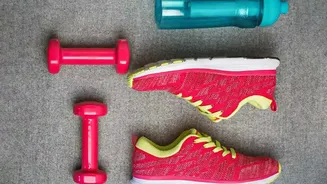
Your shoes are arguably the most important piece of equipment. Good grip is non-negotiable to prevent slips and falls on wet surfaces. While waterproof running shoes can be great, for shorter runs, a breathable pair that drains well might be more comfortable. Be mindful of your route. Stick to familiar, well-lit paths and avoid areas known for waterlogging or poor drainage, which are common issues in many Indian cities during the monsoon. Never attempt to walk, run, or drive through fast-moving floodwater. If there's lightning or thunder, your workout must move indoors immediately.
Post-Workout Hygiene is Critical
What you do after your workout is just as important as the exercise itself. The combination of humidity and dampness during the monsoon creates a perfect breeding ground for fungi. Remaining in wet clothes or shoes for extended periods significantly increases the risk of skin infections like ringworm and athlete's foot. As soon as you get home, change out of your damp workout gear and take a shower. Pay special attention to drying your skin thoroughly, especially in skin folds and between your toes where moisture can linger. Always use clean, dry towels and ensure your shoes have enough time to dry out completely before you wear them again.
Listen to Your Body and the Forecast
While consistency is key to fitness, it's vital to be sensible. Don't feel pressured to “push through” if you're feeling unwell, as this can weaken your immunity and delay recovery. Dehydration is still a risk in humid weather even if you don't feel as thirsty, so remember to drink enough water. Before heading out, check the weather forecast. It's best to avoid outdoor exercise during periods of heavy downpour, thunderstorms, or when warnings for severe weather are in effect. On days when the weather is simply too intense, an indoor workout like yoga, stretching, or bodyweight exercises is a safer and equally effective alternative.