






The Annual Ritual of Chaos
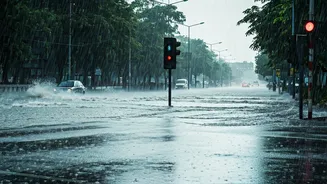
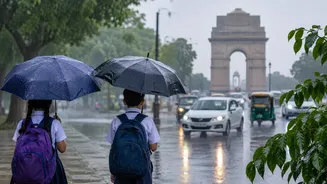
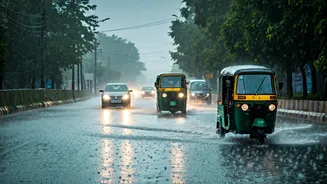
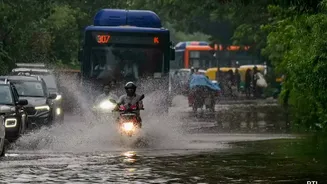
The arrival of the monsoon, which brings relief from scorching heat, has once again exposed the region's crumbling infrastructure. On Thursday morning, heavy rains lashed Delhi-NCR, leading to an immediate and predictable breakdown. Widespread waterlogging
was reported across Delhi, Noida, and Gurugram, causing severe traffic snarls during the morning rush hour. Visuals of submerged underpasses, cars wading through knee-deep water, and commuters stranded for hours underscore a recurring problem that festive desilting drives and last-minute preparations fail to solve. The India Meteorological Department (IMD) issued a red alert, but for residents, the real alert is the sight of the first dark cloud, a harbinger of the civic collapse to come.
Why The Drains Can't Cope
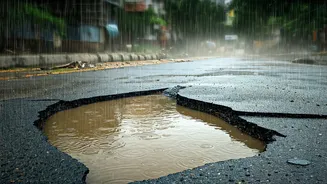
It's easy to blame a heavy downpour, but the root cause is not the volume of rain but the city's inability to manage it. Much of Delhi's drainage system is based on a master plan from 1976, designed for a much smaller population and rainfall intensity. Experts point out this antiquated network can only handle about 50 mm of rain, a fraction of the intense showers the city now receives due to changing climate patterns. The problem is compounded by rampant, unplanned urbanisation. Paved surfaces have replaced natural ground that once absorbed rainwater, increasing surface runoff. Furthermore, natural drainage channels and wetlands have been encroached upon or built over, leaving the water with nowhere to go.
A Failure of Coordination
Even where infrastructure exists, it's crippled by a bewildering lack of coordination. At least 11 different agencies, including the PWD, MCD, and DDA, are responsible for various parts of the city's road and drainage network. A road might belong to one agency, while the drain running alongside it is managed by another. This multiplicity leads to a perennial blame game, with departments pointing fingers while key drains remain clogged with silt, plastic waste, and sewage. Every year, authorities claim to have removed lakhs of metric tonnes of silt, yet the first significant rain proves these efforts are either inadequate or poorly executed. The result is a system that fails as a whole because its parts refuse to work together.
What a 'Rain-Safe Strategy' Demands
A genuine rain-safe strategy moves beyond temporary fixes like deploying water pumps after the flooding has already begun. It requires a fundamental rethinking of our urban design. First, a new, integrated Drainage Master Plan is non-negotiable. This has been pending for years, with a 2018 plan from IIT-Delhi being shelved. Such a plan must account for current population density and climate change realities. Second, we must embrace sustainable solutions like permeable pavements, green roofs, and extensive rainwater harvesting to reduce runoff and replenish groundwater. Third, technology must be leveraged for real-time monitoring of water levels and drain performance, allowing for pre-emptive action. Finally, there must be a single point of accountability—a unified body with the authority to oversee and coordinate the work of all other agencies, ending the cycle of blame.