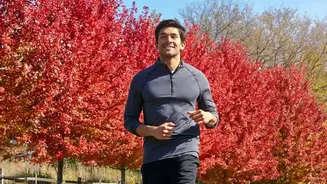







Embrace the Benefits of Cooler Weather
Before diving into logistics, it's worth appreciating why this season is ideal for outdoor fitness. Without summer's oppressive heat, your body can often perform better and for longer. Many people find they can run faster or hike further without overheating.
The cooler air means your body works harder to regulate its temperature, which can lead to burning more calories. Exercising outdoors in the autumn also provides a mental boost. Exposure to natural daylight can help ward off seasonal mood slumps, and physical activity itself is a proven stress reducer. The vibrant foliage and crisp air can make activities like trail running, cycling, or even a brisk walk feel less like a chore and more like a reward.
Master the Art of Layering
Dressing for an autumn workout is a science. The goal is to stay warm without overheating once your body gets moving. The key is a three-part layering system designed to manage moisture and trap heat effectively. The base layer, which sits against your skin, should be made of a moisture-wicking material like merino wool or a synthetic blend. This pulls sweat away from your body to keep you dry. Avoid cotton, as it holds moisture and will make you feel cold and damp. The second layer is your insulation. A fleece or thermal top works well here, as its job is to trap air and retain body heat while remaining breathable. Finally, the outer layer should be a windbreaker or a waterproof shell to protect you from the elements. As you warm up, you can easily remove a layer to prevent overheating.
Prioritize Safety as Days Get Shorter
With daylight hours shrinking, many workouts now happen in the dark or twilight hours of dawn and dusk. This makes visibility your top priority. Invest in gear with reflective strips and consider wearing bright, neon colors to ensure you are seen by motorists and cyclists. For early morning or evening runs, a headlamp or a waist light is essential for illuminating your path and preventing trips over roots, curbs, or other unseen obstacles. It's also wise to stick to familiar, well-lit routes and run against traffic so you can see approaching vehicles. Many runners also choose to leave their headphones at home during dark runs to remain fully aware of their surroundings.
Adapt Your Warm-Up and Hydration
Cooler temperatures mean your muscles need more time to get warm and loose. A proper warm-up is crucial to prevent strains and injuries. Extend your warm-up to at least 10 minutes of light cardio, like jogging or walking, followed by dynamic stretches such as leg swings and torso twists. This increases blood flow and prepares your body for more intense effort. Hydration is another factor people often neglect in the cold. You may not feel as thirsty as you do in the summer, but your body still loses fluids through sweat and respiration. Make sure to drink water before, during, and after your workout to stay properly hydrated and maintain your performance.
Stay Motivated Through the Season
As the initial novelty of autumn wears off, it can be challenging to maintain your routine. One of the best strategies is to find a workout buddy. Having a partner keeps you accountable and makes exercise more enjoyable. Setting new, specific goals for the season can also provide a fresh sense of purpose. You might aim to complete a certain number of workouts each week or train for a local 5K. Trying new activities can also keep things interesting. Explore a new hiking trail, take up cycling, or find an outdoor yoga class. By mixing up your routine, you can keep your body challenged and your mind engaged as you head toward winter.