
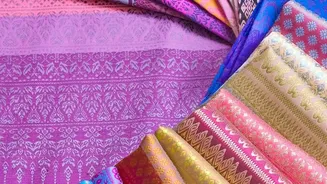
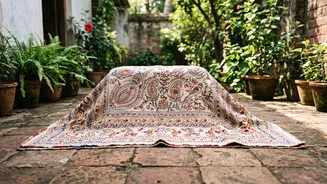
More Than Just a Blanket
These are not your average quilts. Known by regional names like 'Kantha' in Bengal and 'Godhadi' in Maharashtra, they are a testament to resourcefulness and artistry. For centuries, women have been layering worn-out saris, dhotis, and other pieces of
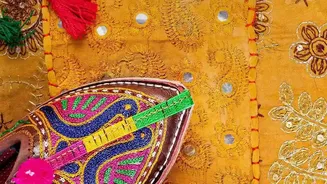
used cloth, stitching them together to create soft, functional blankets. The word 'Kantha' itself is from Sanskrit and can mean 'rags' or 'patched cloth', reflecting the humble origins of this craft. What began as a way to provide warmth for the family, especially for swaddling newborns, has evolved into a celebrated art form. Each quilt is, quite literally, a tapestry of memories, with every piece of fabric holding a previous life and story.
The Art of the Running Stitch
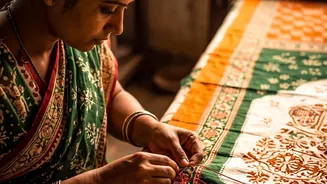
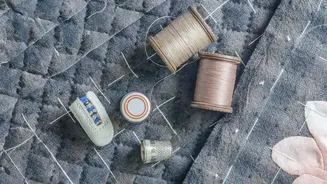
The magic of these quilts lies in the stitch. The most common technique, particularly for Kantha, is a simple, straight running stitch that holds the layers of fabric together. But to call it simple is to miss the point entirely. In the hands of skilled artisans, this basic stitch becomes a tool for creating intricate patterns and a unique, slightly rippled texture. Artisans meticulously arrange the collected fabrics, often pairing vibrant colours and patterns to create a fluid design. They then spend days, sometimes weeks, covering the surface with thousands of hand-sewn stitches. The process is a labour of love, traditionally passed down from mother to daughter, and requires immense patience and an artist's eye.
Sustainability Woven In
Long before 'upcycling' and 'sustainable living' became global buzzwords, the women making these quilts were masters of the practice. The entire tradition is rooted in the philosophy of 'waste not, want not'. By collecting and repurposing discarded textiles, this craft gives a second life to fabrics that might otherwise end up in landfills. This makes Kantha and Godhadi quilts an inherently eco-friendly choice for home furnishings. In an age of fast fashion and mass production, choosing a hand-stitched quilt made from reused materials is a conscious decision to support a circular economy and reduce environmental impact.
From Village Courtyard to Urban Chic
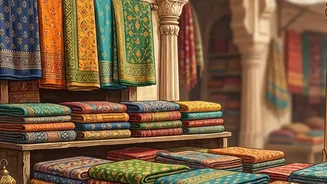
Historically, these quilts were made for personal use within the family, serving as light coverlets during mild winters or breezy monsoons. Many were never intended to be sold. Today, however, they have captured the imagination of designers and homeowners around the world. Their unique beauty, coupled with their compelling story of sustainability and female artisanship, has turned them into sought-after decor items. These vibrant, one-of-a-kind textiles are now seen as works of art, bringing a touch of bohemian elegance and authentic craftsmanship to contemporary interiors. They have journeyed from rural homes to global markets, all without losing the soulfulness of their handmade origins.
Styling Your Home with a Story
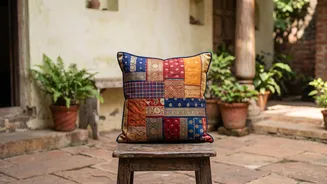
The versatility of these quilts is one of their greatest strengths. A colourful Kantha can be draped over a neutral sofa to add a pop of colour and texture. They work beautifully as bedspreads or can be folded at the foot of a bed for an extra layer of warmth and pattern. Their lightweight nature makes them perfect for year-round use. Some people even use them as unique tablecloths or hang them on a wall as a stunning textile tapestry. Because no two pieces are exactly alike, owning an Indian hand-stitched quilt means bringing a truly unique piece of functional art into your living space, one that tells a story of heritage and mindful creation.