


Understanding the Shoulder Season
In travel, the 'shoulder season' refers to the periods between the peak and off-peak seasons. For Finland, this typically means late spring (May to early June) and autumn (September to October). These windows offer a sweet spot for visitors: the weather
is often still pleasant, but the crowds of high summer and deep winter have thinned out. The result is lower prices for flights and accommodation, and a more relaxed atmosphere. For instance, a hotel in Rovaniemi that is expensive in December can be a fraction of the cost in October.
Autumn's Allure: Ruska and Early Auroras
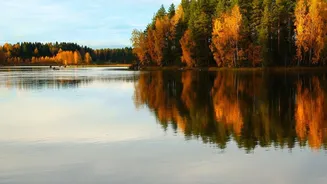
Autumn, particularly September and October, is arguably one of Finland's best-kept secrets. This is the season of 'ruska', when the forests and fells of Lapland explode into spectacular shades of red, orange, and gold. The display starts in the north in mid-September and gradually moves southward. It’s a perfect time for hiking and photography in national parks like Pallas-Yllästunturi or Oulanka. Even better, autumn marks the beginning of the Northern Lights season. Statistically, September and October are some of the most active months for auroras, thanks to the 'equinox effect' which increases geomagnetic activity. With lakes still unfrozen, you might even witness a 'double aurora' reflected on the water—a sight impossible in the icy winter.
Spring's Awakening: Light and Life
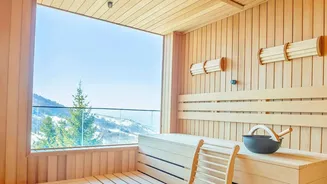
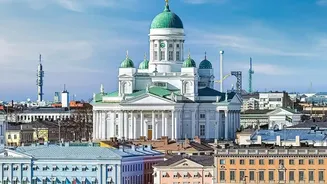
Finland's spring, from late April through May, is a season of dramatic transformation. While Lapland may still offer late-season skiing, the south begins to thaw and burst into life. This period is a time of contrasts: you could be skiing in the north while cherry blossoms bloom in Helsinki. It's an excellent time for birdwatching, as millions of migratory birds return to Finland's coasts and wetlands. The days grow noticeably longer, heralding the arrival of the famous Midnight Sun. In late May and early June, you can experience the 'white nights' where the sun barely dips below the horizon, creating a magical, continuous twilight. This offers more daylight hours for exploring city parks, hiking on newly-thawed trails, or simply enjoying a lakeside sauna as nature reawakens.
Fewer Crowds, More Authenticity
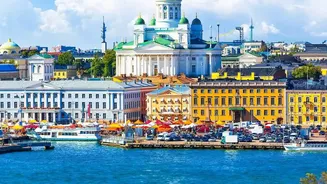
One of the greatest benefits of shoulder-season travel is the peace and quiet. Popular spots in Helsinki, the Lakeland region, and even Lapland are much less crowded than during the summer holidays or the Christmas peak. This means more space to yourself on hiking trails, easier restaurant reservations, and more meaningful interactions with locals. Activities like foraging for wild berries and mushrooms, a Finnish national pastime, are at their best in autumn under the 'Everyman's Rights' which allow anyone to freely pick from the forests. In spring, you can watch cities like Helsinki come alive for the Vappu (May Day) celebrations, offering a genuine glimpse into local culture.
Planning Your Budget-Friendly Finnish Escape
To make the most of a shoulder-season trip, flexibility is key. Flights are generally cheaper, but booking in advance always helps. Consider flying into airports other than Helsinki if your itinerary is focused on a specific region. Hostels and guesthouses offer great value, and prices will be at their lowest during these months. Many activities, like hiking in national parks, are free. By travelling in months like May, September, or October, you embrace a different side of Finland—one that is not only lighter on your wallet but also rich with unique, seasonal beauty that many peak-season tourists miss entirely.