


The Unstoppable Urge to Travel
For the last few years, a powerful narrative has defined global travel: ‘revenge travel’. The term captured the explosive, pent-up demand from people eager to explore after years of pandemic-related restrictions. This wasn't just about taking a holiday;
it was about reclaiming lost experiences, booking bucket-list trips, and splurging on adventures that had been indefinitely postponed. From 2022 to 2024, airports swelled, and airlines saw unprecedented demand as travellers prioritized experiences over other purchases, creating a sense that the whole world decided to travel at once. This urgent, almost frantic, need to go anywhere and everywhere, regardless of cost or crowds, defined the peak of the revenge travel era. The assumption was that this surge would eventually taper off as people satisfied their craving for movement.
A Turbulent Reality Check
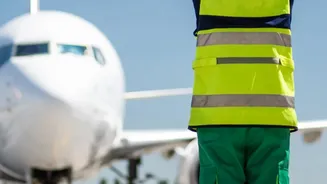
However, the travel boom has run headfirst into a wall of logistical hurdles. Flight delays and cancellations have become a regular feature of modern travel, shifting from an occasional inconvenience to a predictable part of the journey. The reasons are complex and interconnected. The aviation industry is grappling with persistent capacity constraints, including shortages of aircraft due to manufacturing delays and a lack of trained staff like pilots and air traffic controllers. Compounding this, unpredictable weather patterns, higher fuel costs, and labor disputes have added further strain, forcing airlines to trim schedules and cancel routes to manage operations. Between July 2025 and July 2026, nearly a quarter of all U.S. flights were delayed, cancelled, or diverted, highlighting the scale of the problem. This operational turmoil means that even as the desire to travel remains high, the ability of airlines to meet that demand is severely capped.
From Revenge to Resilience
The persistent friction of unpredictable travel is fundamentally changing the revenge travel narrative. The initial fever has broken, replaced by a more calculated and thoughtful approach to trip-planning. The defining characteristic of the 2026 traveller is no longer urgency but intention. The chaos of crowded airports and the anxiety of potential disruptions have led people to prioritize balance, simplicity, and well-managed journeys over spontaneous, whirlwind tours. The vacation is increasingly seen as a tool for restoration, not a source of stress. This shift marks the evolution from ‘revenge’ to resilience. Travellers haven't given up on their plans, but they are becoming more strategic and patient. The narrative is no longer about getting back at the pandemic but about smartly navigating a complex and often frustrating travel landscape.
How Travelers and the Industry Are Adapting
In response to this new normal, traveler behavior is evolving. Many are leaning into trends like ‘slow travel’, which favors longer stays in fewer places, and ‘coolcations’, which involves seeking out milder climates to escape extreme summer heat. There is a growing focus on meaningful experiences, sustainability, and wellness over simply ticking off destinations. Practically, travellers are booking major components like flights and hotels further in advance to lock in costs but are keeping itineraries flexible. Travel insurance is also becoming more popular as a safety net, especially since recent rule changes in the U.S. have made it harder to get compensation directly from airlines for many types of delays. For their part, airlines are attempting to improve communication during disruptions, but the core issues of capacity and staffing remain longterm challenges. Some travelers are even choosing to cancel trips that route through notoriously problematic hubs rather than risk getting stuck.