





More Than Just a Day
First established in 2015, National Handloom Day commemorates the launch of the Swadeshi Movement on August 7, 1905, which championed indigenous industries. The day serves as an annual reminder to honour the handloom weaving community and recognize its
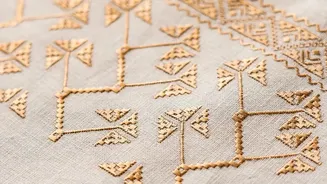
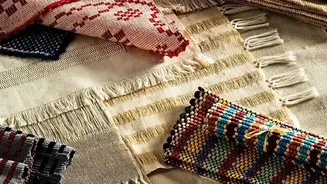
profound contribution to the country's socio-economic development. It’s a moment to celebrate the artistry, skill, and dedication of weavers who are the custodians of a living heritage, from Banarasi brocades to Kanchipuram silks. Each year, the Ministry of Textiles organises events to highlight this legacy, often presenting awards to master weavers for their exceptional craftsmanship and innovation.
The Fabric of Rural India
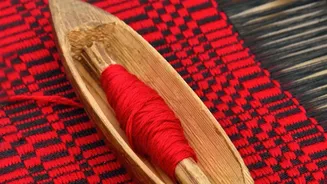
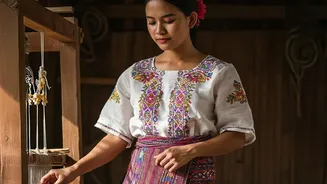
The handloom sector is India's largest cottage industry and the second-largest employer in rural areas after agriculture. It provides a livelihood for approximately 3.5 million people, many of whom live in villages where alternative employment is scarce. This industry is particularly vital for women, who make up over 70% of the handloom workforce. For these women, weaving is not just a job; it is a source of financial independence and empowerment, allowing them to contribute to their household income while often working from home. By providing a stable source of non-farm income, the handloom sector plays a critical role in strengthening the rural economy and reducing migration to urban centres.
Weaving a Challenging Future
Despite its cultural and economic importance, the handloom sector faces significant hurdles. Weavers often struggle with low and inconsistent wages, sometimes earning as little as a few hundred rupees for a full day of intensive labour. They face stiff competition from machine-made textiles and power looms, which can produce fabrics faster and more cheaply. Furthermore, weavers grapple with rising costs of raw materials like yarn and dyes, which are often subject to GST, squeezing their already thin profit margins. Many artisans also lack direct access to markets, relying on intermediaries who reduce their earnings and bargaining power. These persistent challenges have led some younger generations to seek more stable employment outside of their ancestral craft.
Government and Consumer Roles
Recognizing these challenges, the government has implemented several schemes to support the sector. The National Handloom Development Programme, for instance, provides assistance for skill upgradation, technology, and marketing. Initiatives like the Weavers MUDRA Scheme offer concessional credit to help weavers with their working capital needs. However, the most powerful support comes from conscious consumers. Every time a buyer chooses an authentic, handwoven product over a mass-produced alternative, they are making a direct investment in a weaver's livelihood. This choice helps preserve ancient skills, supports sustainable and eco-friendly production, and ensures that India's rich textile traditions continue to thrive. It's a decision that adds tangible weight to the well-being of rural communities.