






Master the Art of Layering
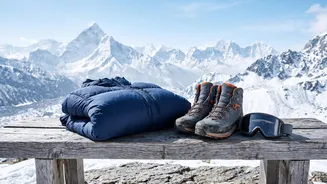
The golden rule for staying warm in the freezing Himalayan climate is layering. Instead of one bulky jacket, wearing multiple layers gives you the flexibility to adapt to changing temperatures throughout the day. The system is simple: a base layer to wick
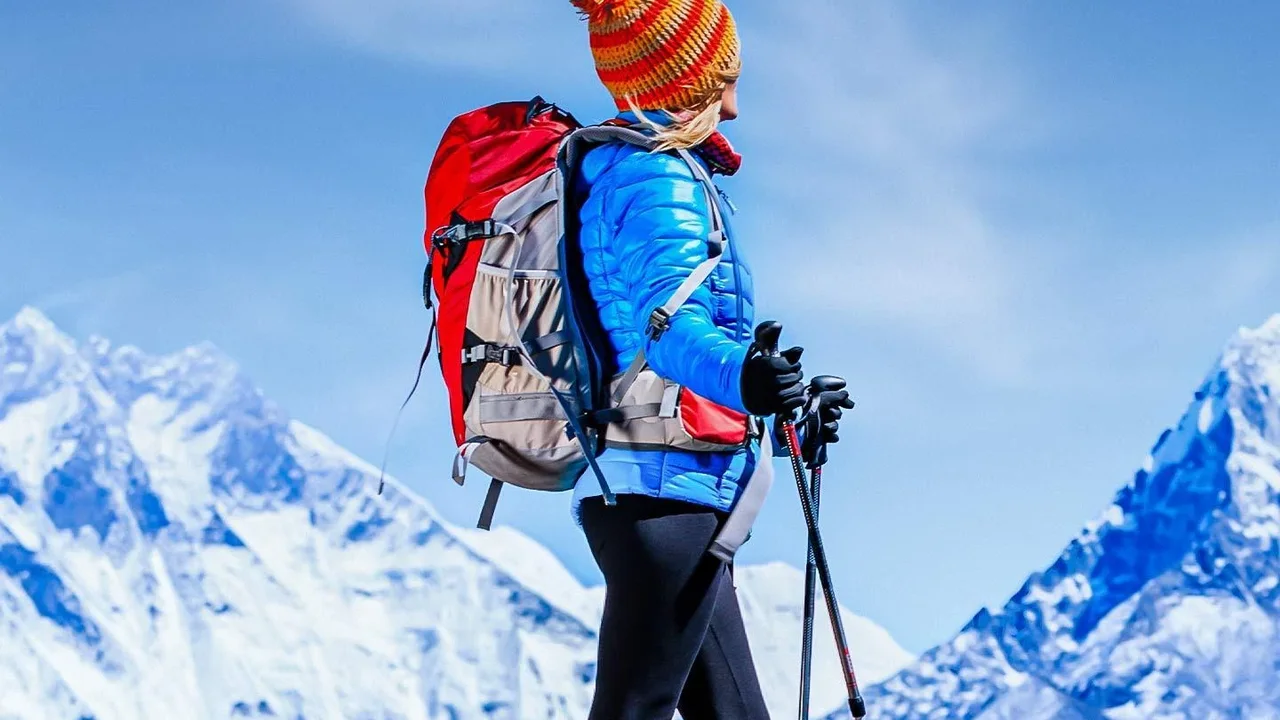
away sweat, a mid-layer to insulate and retain body heat, and an outer layer to protect you from wind and snow. For your base layer, choose synthetic thermals or merino wool; avoid cotton at all costs as it traps moisture and will make you colder. Your mid-layer can be a warm fleece or a light down jacket. Finally, your outer shell should be a waterproof and windproof jacket. This system allows you to remove layers when you're trekking and feeling warm, and add them back when you stop for a rest at a chilly campsite.
Essential Clothing and Accessories
Beyond the basic layers, several other items are non-negotiable for winter. Pack two or three pairs of warm trekking pants. For extreme cold, consider insulated or fleece-lined pants. Hand and foot warmth is critical. Carry at least two pairs of gloves: a thin fleece pair for dexterity and a thick, waterproof, insulated pair to wear over them. For your feet, pack several pairs of thick woollen socks to keep them dry and warm. A balaclava or a combination of a woollen cap and neck gaiter is essential to protect your face, neck, and ears from biting winds and prevent heat loss. Remember that a significant amount of body heat is lost through your head, so keeping it covered is crucial.
The Right Footwear
Your boots can make or break your Himalayan experience. Investing in a good pair of trekking shoes is paramount. They should be waterproof, have high ankle support, and feature deep lugs for a firm grip on snow and slippery terrain. Ensure your boots are well broken-in before the trip to avoid painful blisters. When trying them on, wear a pair of thick woollen socks to ensure you buy the right size with enough room for your toes to move. For treks with heavy snow, gaiters are a valuable addition. These fabric guards wrap around your lower leg and boot, preventing snow and debris from getting inside.
Health, Acclimatisation, and First-Aid
High altitude requires careful health management. Acute Mountain Sickness (AMS) is a real risk, with symptoms including headache, nausea, and dizziness. To prevent it, acclimatise properly by ascending slowly and taking rest days. Stay extremely well-hydrated by drinking far more water than you usually would, and limit alcohol and caffeine intake. Your first-aid kit should contain essentials like pain relievers, antiseptic wipes, bandages, blister tape, and any personal medications. It's also wise to include medication for altitude sickness, like Diamox, after consulting with your doctor.
Documents and Money Matters
Always carry your original government-issued photo ID, such as an Aadhaar card, Voter ID, or passport. Some restricted border areas, particularly in Uttarakhand or Ladakh, may require an Inner Line Permit (ILP) for Indian citizens, so check the specific requirements for your destination beforehand. While digital payments are increasingly common, network connectivity can be unreliable in remote areas. It is essential to carry enough cash in small denominations to pay for food, transport, and other small expenses at dhabas and guesthouses along the way.
Gadgets, Skincare, and Other Essentials
The cold can drain batteries quickly. Carry a robust power bank to keep your phone and other electronics charged. At high altitudes, UV radiation is much stronger, even on cloudy days. A good quality sunscreen (SPF 30+), lip balm with SPF, and UV-protection sunglasses are absolutely essential to prevent sunburn and snow blindness. The dry, cold air will also strip moisture from your skin, so a thick moisturiser is a must. Lastly, pack an insulated water bottle or thermos to prevent your water from freezing and to enjoy a warm drink on the trail.