






The Science of Superior Flavour
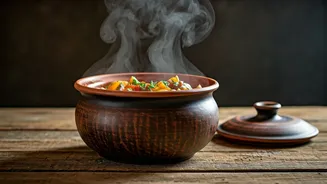
The primary reason for this revival is taste. Food cooked in clay pots often has a deeper, more layered flavour. [8] Unlike metal pots that heat up quickly and can make ingredients taste harsh, clay heats slowly and evenly. [10] This gentle, consistent
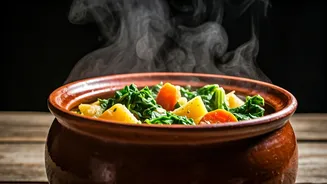
heat allows vegetables, herbs, and spices to release their aromas and flavours gradually without burning. [8] The porous nature of clay is key; it allows heat and moisture to circulate evenly throughout the pot, which keeps vegetables juicy and tender. [3, 5] This process retains the moisture content in the food, helping to carry seasonings deep into the ingredients and creating a more integrated, well-rounded taste. [5, 10]
A Boost for Health and Nutrition
Beyond flavour, cooking in earthenware offers significant health advantages. The slow-cooking process at lower temperatures helps retain essential nutrients that are often destroyed by high-heat methods. [13, 14] Earthen pots are particularly good at preserving water-soluble vitamins and minerals. [14] Clay is also naturally alkaline, which helps to neutralize the pH of acidic foods like tomatoes, making them taste naturally sweeter and easier to digest. [1, 2, 5] Furthermore, many find they need less oil when cooking in clay pots, as the vessel's ability to retain moisture creates a natural non-stick surface, resulting in lower-fat meals. [2, 5] Pure, unglazed clay pots also ensure that no harmful chemicals or toxins leach into your food, a common concern with some modern non-stick coatings. [1, 6]
The Magic of Slow Cooking
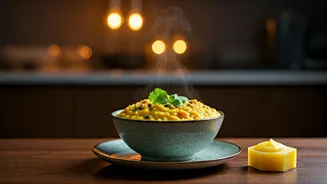
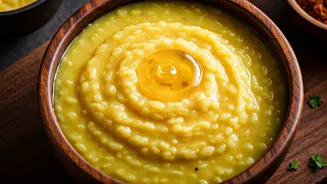
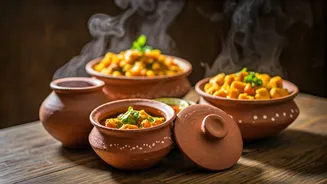
The very nature of earthen pot cooking encourages a slower, more mindful approach in the kitchen. [10] This technique is perfect for dishes that benefit from simmering for long periods, like dals, khichdi, and rich vegetable curries. [10, 18] Because clay retains heat so well, food continues to cook gently even after being taken off the stove and stays warm for much longer. [6, 11] This efficiency means less reheating, which can further degrade nutrients. [6] The process is similar to the traditional 'dum pukht' method, where food is sealed and cooked in its own steam, allowing flavours to meld beautifully and develop a complexity that's hard to achieve with faster cooking methods. [9, 12]
Connecting with Tradition and Sustainability
The return to earthen pots is part of a larger trend of reviving ancient Indian cooking techniques. [9, 12] For many, using a handi is a way to connect with their heritage and the time-tested wisdom of their ancestors. [11, 18] It’s a move away from mass-produced uniformity towards something more artisanal and grounded. This trend also aligns with a growing desire for sustainability. Clay pots are eco-friendly and biodegradable, a stark contrast to metal and plastic cookware that can harm the environment. [1, 5] They are a sustainable choice for the conscious consumer looking to reduce their environmental impact while enhancing their culinary experience. [6, 19]