



Shop Small, Shop Often
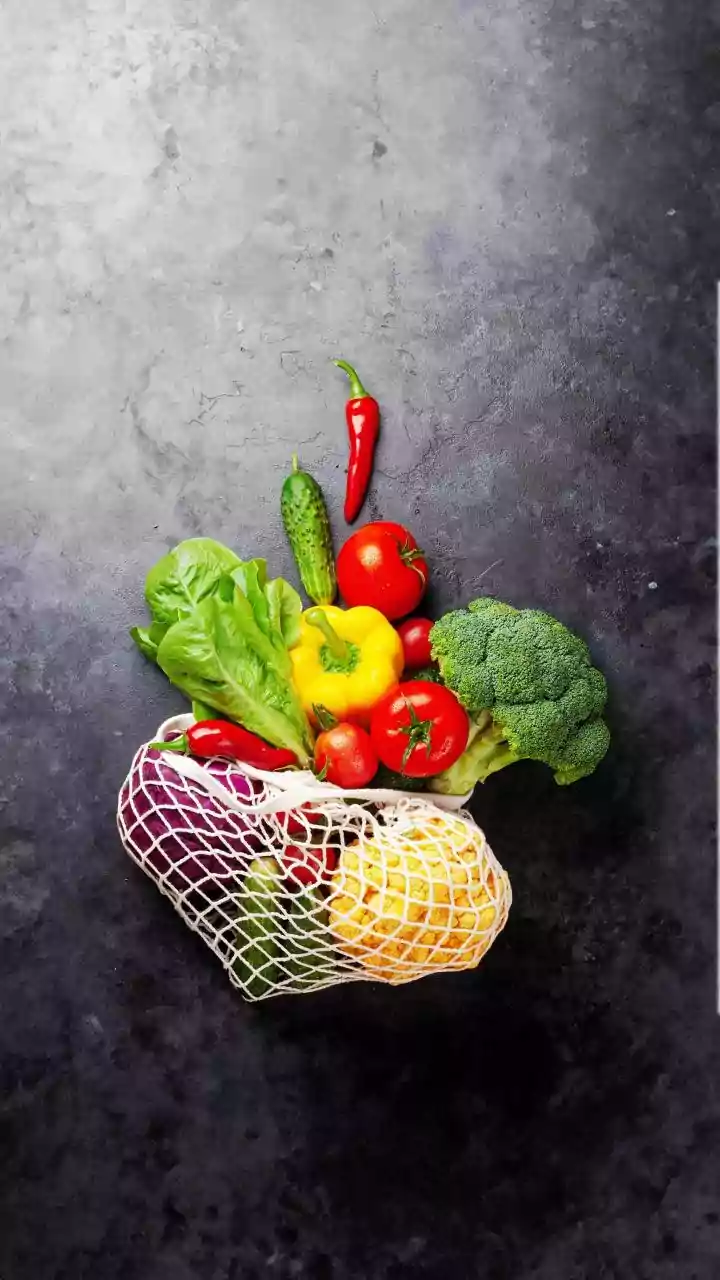
The single most effective strategy during the monsoon is to change your shopping frequency. Instead of a large monthly haul, switch to smaller, weekly or bi-weekly trips. This is especially crucial for perishable items. Buying in bulk might seem economical,
but during the rains, it often leads to waste. High humidity accelerates the growth of mould and bacteria, drastically shortening the shelf life of many foods. By purchasing vegetables, fruits, and dairy in smaller quantities, you ensure they are consumed at their freshest, minimising the risk of spoilage and potential foodborne illnesses which see a spike during this season. This approach forces a 'first-in, first-out' system in your fridge and pantry, reducing the chance that older items get forgotten and go bad.
Rethink Your Leafy Greens
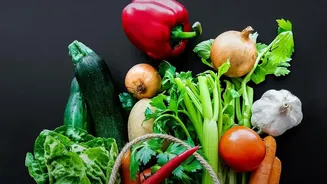
Leafy green vegetables like spinach (palak), fenugreek (methi), and coriander are particularly vulnerable during the monsoon. Growing close to the ground, they are more susceptible to contamination from muddy, bacteria-laden rainwater. The excess moisture on the leaves also promotes rapid decay between the farm and your kitchen. It is advisable to reduce their intake or be extremely thorough with cleaning. If you do buy them, wash them in a diluted solution of potassium permanganate or vinegar water, pat them completely dry, wrap them in paper towels, and store them in a perforated bag in the fridge. Consider switching to more resilient seasonal vegetables like gourds for your main sabzis.
Embrace Gourds and Root Vegetables
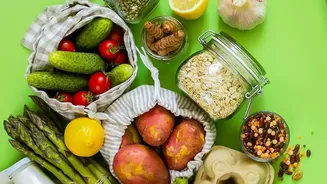
The monsoon is the perfect season for a variety of gourds. Bottle gourd (lauki), ridge gourd (turai), bitter gourd (karela), and pointed gourd (parwal) thrive in this weather and are less prone to spoilage. They are staples of the rainy season for a reason. Similarly, root vegetables like potatoes, onions, garlic, and ginger are hardy and have a longer shelf life, even in humid conditions. Store them in a cool, dark, and dry place, away from direct sunlight. Ensure they have good air circulation; a wicker basket is often better than a closed plastic container for this purpose.
Handle Dairy and Meats with Extra Care
Milk, paneer, curd, meat, and seafood are high-risk foods during the monsoon as they spoil incredibly fast in the warm, humid weather. Always check the manufacturing and expiry dates before buying. Once home, refrigerate them immediately. Avoid leaving dairy products on the counter for extended periods. It is best to consume them quickly after purchase. When it comes to meat and seafood, be extra vigilant about freshness. The rainy season is the breeding season for many fish, and supply chains can be disrupted, affecting quality. If something smells even slightly off, it's not worth the risk.
Protect Your Pantry Staples
Humidity is the enemy of your dry pantry. Spices, flours, pulses, biscuits, and chips can quickly absorb moisture from the air, leading to clumping, sogginess, and mould. The solution is airtight containers. Invest in good quality glass or steel jars with tight-fitting lids, as they provide a better barrier against moisture than flimsy plastic. Before storing, ensure the container is completely dry. For items like salt and sugar that are prone to clumping, adding a few grains of raw rice can act as a natural desiccant. Storing whole spices instead of powders can also extend their life and flavour.
Be Selective with Fruits
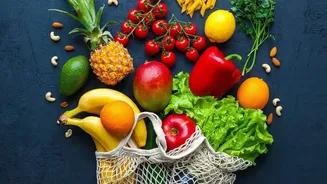
Some fruits are perfect for the monsoon. Jamun, plums, peaches, and cherries are in season and packed with immunity-boosting Vitamin C. However, fruits with high water content, like melons, or those that are pre-cut and sold by street vendors, should be avoided. Contamination risks are higher during this season. Always wash fruits thoroughly as soon as you bring them home. Don't pre-cut fruits and leave them out; slice them just before you plan to eat them to prevent bacterial growth.