

Understanding Patina vs. Damage
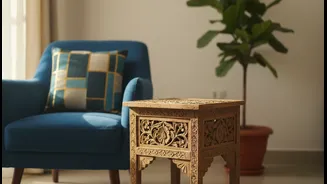
In the world of design, patina refers to the natural surface transformation that materials undergo over time. It’s the soft sheen on aged wood, the warm, deep tone of old brass, or the gentle wear on areas that are frequently touched. This process, a result
of exposure to air, light, and use, adds character and tells a story. However, it's crucial to distinguish this from damage. Damage, like rot, rust that corrodes, warping, or deep cracks, compromises the structure and function of a piece. While patina enhances an object's warmth and history, damage points to neglect and deterioration. A home filled with beautifully patinated objects feels lived-in and authentic; a home with damaged items simply feels unkempt.
The Challenge of Indian Humidity
India's climate, particularly during the monsoon, presents a unique challenge. Wood is a hygroscopic material, meaning it naturally absorbs and releases moisture from the air. In high-humidity environments, wood swells, which is why doors and drawers often get stuck during the rainy season. This constant expansion and contraction can weaken joints over time. More critically, humidity above 60% creates the perfect breeding ground for mould and mildew, which appear as unsightly patches and can cause musty odours. For metals like brass, which is an alloy of copper and zinc, high moisture accelerates oxidation, leading to tarnish and sometimes a greenish film. The goal is to manage this process, encouraging a gentle, even patina rather than succumbing to aggressive corrosion and decay.
Caring for Wooden Furniture
To protect your wooden treasures, moisture control is the primary rule. Keeping indoor humidity below 60%, ideally between 45-55%, is key. This can be achieved by using an air conditioner on 'dry mode' or a dehumidifier. For a low-cost solution, place silica gel packs or even camphor inside enclosed wardrobes and drawers to absorb excess moisture. It is also vital to ensure good air circulation; leave a gap of a few inches between large furniture and walls, especially external ones. Daily dusting with a soft, dry microfibre cloth removes the thin layer of moisture that settles overnight. If you spot any mould, tackle it immediately with a mild solution of white vinegar and water, ensuring you dry the area thoroughly afterwards.
Managing the Glow of Metals
Brass and copper items are staples in many Indian homes, from urlis and diyas to modern decor. To maintain their lustre without erasing their character, regular but gentle cleaning is essential. Fingerprints contain oils that can speed up tarnishing, so wiping handled areas frequently is a good habit. For a natural clean, a paste of lemon juice and baking soda or salt works wonders. Apply the paste, let it sit for a few minutes, and then rinse and dry thoroughly—never let brass air-dry, as water spots will form. For items you wish to protect from tarnishing altogether, a thin coat of wax or lacquer can provide a protective barrier, though this prevents a natural patina from forming. The key is deciding the look you prefer: a brilliant shine or a deeper, antique glow.
Protecting Fabrics and Other Materials
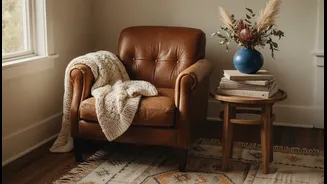
Humidity doesn’t just affect wood and metal. Upholstered sofas, cushions, and mattresses can absorb moisture, leading to musty smells and mildew. On sunny days, it’s a great practice to air out cushions and smaller items outdoors. For fabrics that can’t be moved, sprinkling baking soda, leaving it for about 30 minutes, and then vacuuming it up can help absorb odours and moisture. For leather goods, which are also prone to mould, ensure they are kept in a well-ventilated area and wiped with a dry cloth periodically. Avoid storing damp clothes or towels in wardrobes, as this creates a pocket of high humidity that can affect everything inside.