

What is the Perseid Meteor Shower?
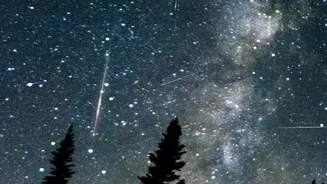
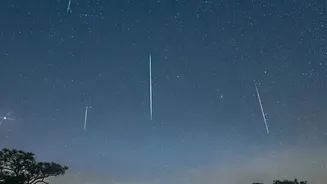
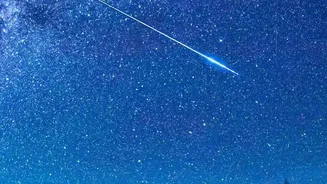
The Perseid meteor shower is one of the most beloved and reliable astronomical events of the year, visible annually from mid-July to late August. These streaks of light, often called shooting stars, are not stars at all. They are actually tiny bits of ice
and rock, most no larger than a grain of sand, left behind by the comet 109P/Swift-Tuttle. Every August, Earth's orbit takes it through this dense trail of cometary debris. As these particles hit our atmosphere at incredible speeds—around 60 kilometres per second—they burn up, creating the bright, fast-moving trails of light we see from the ground. The shower gets its name from the constellation Perseus, as the meteors appear to radiate from that point in the sky.
Why 2026 Is a Perfect Year for Viewing
Stargazers are in for a special treat in 2026. The success of meteor shower viewing largely depends on the darkness of the sky, and the biggest source of natural light pollution is the Moon. Even a quarter moon can wash out the fainter meteors, significantly reducing the number you can see. This year, however, the shower's peak coincides perfectly with the new moon on August 12. This means the Moon will be completely absent from the night sky, providing the darkest possible conditions for the show. Under these ideal, moonless skies, viewers in dark locations can expect to see a significantly higher number of meteors compared to years when moonlight interferes.
When and How to Watch
The Perseids will peak on the night of August 12 and into the pre-dawn hours of August 13, 2026. While you can see meteors throughout the shower's active period, your best chance to see the highest frequency is during these peak times. For optimal viewing, plan to watch between midnight and dawn. This is when the radiant point in the Perseus constellation is highest in the sky, and the part of Earth you are on is facing directly into the meteor stream, leading to more frequent and brighter meteors. In ideal conditions, you could see as many as 50 to 100 meteors per hour. While the official peak for India is predicted for the evening of August 13, the best viewing window remains the pre-dawn hours of that morning.
Tips for the Best Experience
You don't need any special equipment to enjoy the Perseids. In fact, telescopes and binoculars are not recommended because they restrict your field of view. Your naked eyes are your best tools. Find a location as far away from city and street lights as possible; a park or rural area is ideal. Give your eyes at least 20 to 30 minutes to fully adjust to the darkness—and that means putting your phone away. Get comfortable! Bring a blanket or a reclining lawn chair so you can lie back and look straight up. While the meteors seem to come from Perseus, they can appear anywhere in the sky, so a wide-open view is best. Finally, be patient, check the weather forecast, and enjoy one of nature’s most dazzling displays.